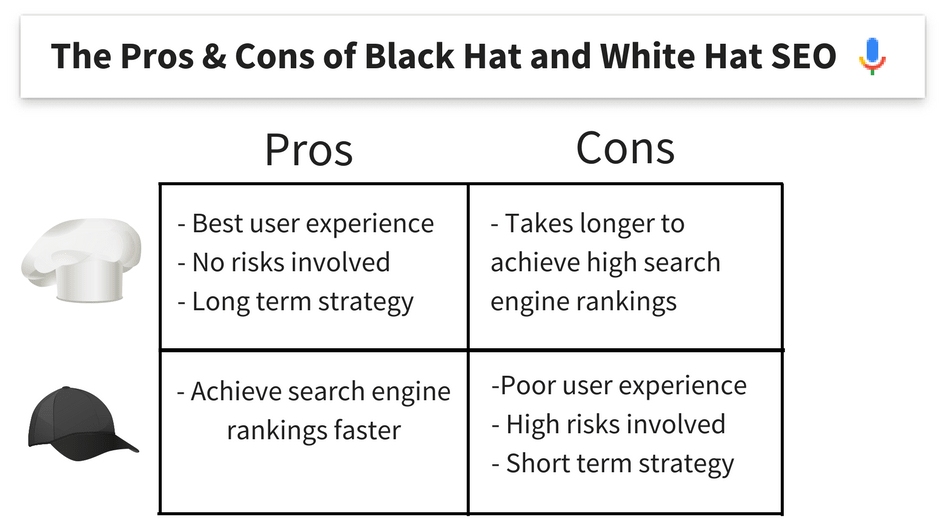
White Hat SEO refers to a set of optimization techniques that align strictly with search engine rules, especially Google’s Webmaster Guidelines. It emphasizes ethical strategies focused on user satisfaction rather than manipulation. This includes creating valuable content, ensuring fast site speed, optimizing for mobile devices, and earning backlinks naturally. White Hat SEO does not involve shortcuts or hacks—it’s a long-term investment that builds a trustworthy digital brand. As search engines evolve to prioritize user experience and authenticity, White Hat SEO is becoming more crucial than ever. It’s the safest and most effective way to achieve consistent visibility and ranking improvements.
Why White Hat SEO Matters in 2025
The SEO landscape has dramatically changed over the years, and in 2025, it’s all about user experience, content quality, and transparency. White Hat SEO aligns perfectly with these principles, making it more important than ever. With AI-driven algorithms and real-time content evaluation, search engines can now detect manipulative tactics almost instantly. Websites that follow ethical practices are rewarded with higher rankings, better engagement, and lasting visibility. Additionally, user behavior metrics such as time on site, click-through rate, and bounce rate heavily influence rankings—factors that White Hat SEO inherently supports. Businesses that ignore ethical SEO now risk digital irrelevance in the near future.
Key Points:
-
Search engines now favor ethical, user-focused practices.
-
AI and machine learning make black hat tactics easily detectable.
-
Ethical SEO enhances credibility and user trust.
-
Websites that use White Hat methods rank better long-term.
-
White Hat SEO supports Google’s E-E-A-T (Experience, Expertise, Authority, Trust).
High-Quality Content Creation
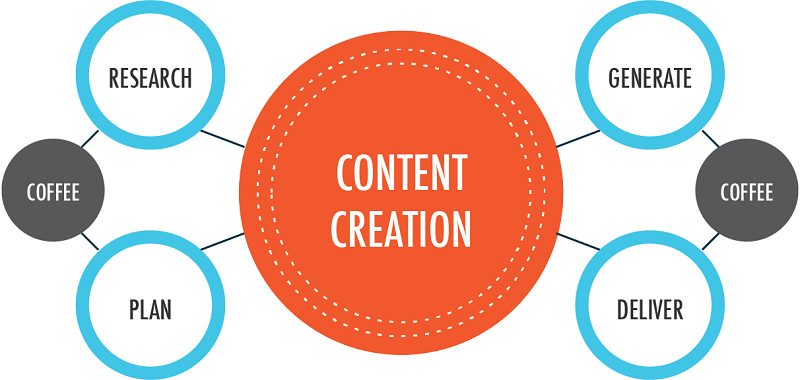
Creating high-quality, relevant content is at the core of White Hat SEO. Google’s algorithms are designed to reward content that genuinely helps users answer questions or solve problems. This means producing original, well-researched articles, blog posts, videos, or infographics that resonate with your audience. Long-form content that provides in-depth insights tends to perform better in search rankings. Your content should be structured properly with headings, bullet points, and internal links to improve readability and SEO value. Including updated data, statistics, and references further boosts credibility and trust. In short, White Hat SEO views content not just as a ranking tool but as a service to the audience.
Key Points:
-
Google favors original, helpful, and engaging content.
-
Well-researched content establishes your site as an authority.
-
Long-form content performs better in rankings.
-
Proper formatting and internal links enhance SEO value.
-
Content should always serve the user’s needs and intent.
On-Page SEO Optimization

On-page SEO is essential for helping search engines understand and index your content properly. This involves optimizing meta tags, headings, image alt text, and internal linking structures. A well-optimized page makes it easier for both users and search engines to navigate and interpret content. Title tags should include relevant keywords without being clickbait, while meta descriptions must provide accurate summaries to increase click-through rates. Use header tags (H1, H2, H3) to break your content into digestible sections. Image optimization ensures faster load times and accessibility. When done correctly, on-page SEO can significantly enhance the performance of even a small website in search results.
Key Points:
-
Meta titles and descriptions should be keyword-rich and engaging.
-
Header tags structure your content and improve readability.
-
Internal links guide both users and search engines through your site.
-
Image optimization helps with speed and accessibility.
-
On-page SEO enhances visibility without manipulation.
Mobile-Friendly and Responsive Design
A mobile-responsive website is no longer optional—it’s a necessity. More than 60% of web traffic comes from mobile devices, and Google now uses mobile-first indexing to rank pages. This means your site must load quickly and function flawlessly across smartphones and tablets. White Hat SEO prioritizes responsive design by ensuring flexible layouts, readable fonts, optimized images, and touch-friendly elements. A good mobile experience not only improves SEO but also boosts user engagement and lowers bounce rates. Accessibility and responsiveness also reflect positively on your brand, making visitors more likely to return or convert.
Key Points:
-
Mobile-first indexing means mobile usability affects rankings.
-
Responsive design enhances user engagement.
-
Fast load times on mobile reduce bounce rates.
-
Mobile optimization improves accessibility and brand trust.
-
A consistent experience across devices boosts conversions.
Ethical Link Building Strategies

Link building remains one of the most powerful ranking factors, but not all backlinks are created equal. White Hat SEO focuses on earning links through valuable content, genuine relationships, and outreach. Guest posting on reputable websites, creating shareable resources, and building partnerships are all ethical methods. Unlike buying links or joining private blog networks (which violate Google’s rules), these strategies add real value to the web and build your site’s authority. Additionally, tools like HARO (Help A Reporter Out) and broken link building can help you ethically gain high-quality backlinks.
Key Points:
-
High-quality backlinks must be earned, not purchased.
-
Guest blogging helps you gain authority and exposure.
-
Valuable content naturally attracts inbound links.
-
Broken link building is an ethical outreach tactic.
-
Ethical link building builds long-term domain authority.
Keyword Research the Right Way
Effective keyword research is foundational to SEO success, but it must be done ethically. White Hat SEO emphasizes finding keywords that match user intent and align with your content goals. This includes using tools like Google Keyword Planner, Ahrefs, or SEMrush to uncover search volume, competition, and relevance. It’s important to focus on long-tail keywords that target specific queries, especially as voice search and conversational AI rise in popularity. Keywords should be integrated naturally into your content, headings, and meta descriptions—never stuffed or misused. A thoughtful keyword strategy ensures your content reaches the right audience without tricking the algorithm.
Key Points:
-
Match keywords to user intent for better engagement.
-
Use keyword research tools to guide your strategy.
-
Focus on long-tail and niche-specific keywords.
-
Naturally incorporate keywords into content and tags.
-
Avoid keyword stuffing at all costs.
Improving User Experience (UX)
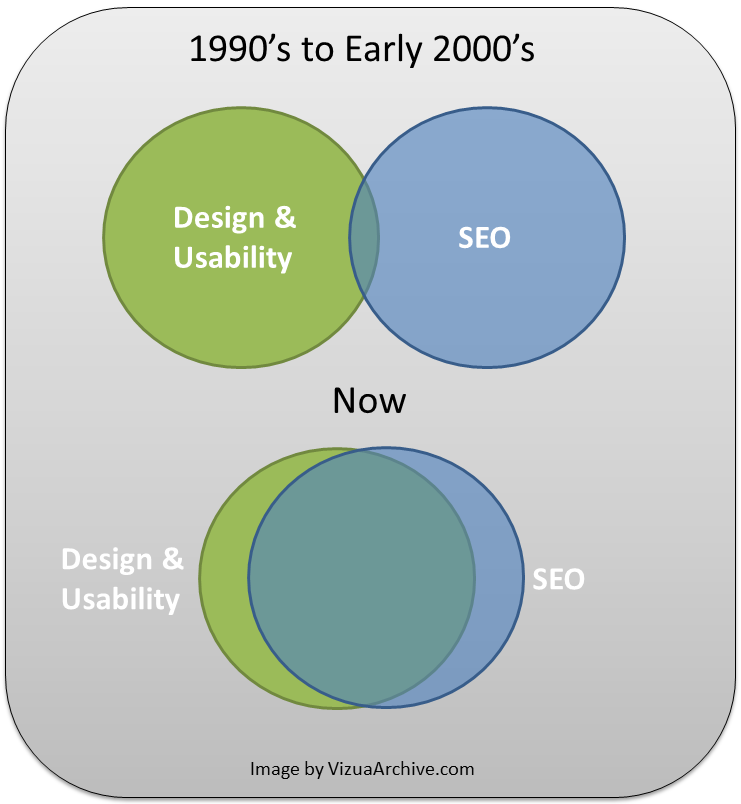
User experience is a major ranking factor in modern SEO. Google analyzes how users interact with your site—do they stay, scroll, click, or bounce? A site that loads quickly, is easy to navigate, and delivers valuable content is far more likely to rank well. White Hat SEO ensures that your website design is intuitive and enjoyable, featuring clear calls to action, readable fonts, and distraction-free layouts. Providing a seamless UX keeps visitors engaged and encourages them to explore more pages. This not only improves SEO metrics but also boosts lead generation and conversions over time.
Key Points:
-
Fast load times improve dwell time and reduce bounce rates.
-
Simple navigation helps users find content easily.
-
Clear CTAs guide users toward desired actions.
-
Readable fonts and clean layouts enhance usability.
-
Great UX leads to better SEO performance and higher engagement.
Technical SEO for Long-Term Success
Technical SEO forms the backbone of your website’s search engine performance. It includes ensuring proper indexing, implementing structured data, optimizing page speed, and using secure HTTPS protocols. White Hat SEO practitioners conduct regular site audits to identify and fix issues like broken links, slow load times, duplicate content, and crawl errors. A technically sound website allows search engines to efficiently crawl, index, and understand your content. Tools like Google Search Console and Screaming Frog are vital for maintaining technical health. Investing in technical SEO early ensures your site is prepared for growth and resilient to future algorithm updates.
Key Points:
-
Secure sites (HTTPS) are prioritized in rankings.
-
Structured data helps search engines understand your content.
-
Site audits reveal hidden issues affecting performance.
-
Fast-loading pages improve user and bot experiences.
-
Proper indexing ensures all valuable content is visible in search.
Tracking and Measuring SEO Results
One of the key principles of White Hat SEO is continuous improvement through data analysis. Tracking performance helps you understand what’s working and where to improve. Use tools like Google Analytics, Google Search Console, and third-party SEO software to monitor organic traffic, keyword rankings, bounce rate, and conversion rates. These insights guide future strategies, ensuring your efforts remain aligned with user needs and algorithm changes. Ethical SEO is not a one-time task—it’s an ongoing process of testing, learning, and refining based on measurable results.
Key Points:
-
Track keyword performance and traffic sources regularly.
-
Monitor user behavior to refine content and design.
-
Analyze bounce rates and time on site for UX insights.
-
Use data to set achievable SEO goals and KPIs.
-
Regular reporting ensures accountability and growth.
FAQs (Frequently Asked Questions):
1. What is White Hat SEO and why is it important?
White Hat SEO refers to ethical practices that follow search engine guidelines to improve your website’s visibility. It ensures long-term results and protects you from Google penalties.
2. How is White Hat SEO different from Black Hat SEO?
White Hat SEO focuses on quality content, user experience, and honest optimization. In contrast, Black Hat SEO uses manipulative tactics like keyword stuffing and link farming, which can lead to bans.
3. What are the best White Hat SEO strategies for 2025?
Top strategies include high-quality content creation, responsive web design, ethical link building, proper keyword research, and fast-loading secure websites.
4. Can I rank on Google using only White Hat SEO?
Yes, White Hat SEO can rank you on Google effectively, though it takes time. The results are stable, long-term, and build your site’s credibility and trust.
5. Is White Hat SEO suitable for small businesses?
Absolutely. In fact, it’s ideal for small businesses looking for steady growth through sustainable SEO practices like content marketing and local SEO.
6. How long does it take to see results with White Hat SEO?
Typically, you may begin to see results within 3 to 6 months depending on competition, industry, and how well your strategy is executed.
7. What tools help with White Hat SEO?
Tools like Google Analytics, Google Search Console, SEMrush, Ahrefs, and Yoast SEO are great for tracking performance, researching keywords, and optimizing content ethically.