The Black Hat SEO refers to the immoral or misleading practices used to increase the search engine ranking of a website. This strategy violates the search engine guidelines set by Google, Bing and other search platforms. Black Hat SEO focuses on tricking the search engine rather than providing valuable material for users. General techniques include manipulating keywords, making spammy backlinks, and cheating both users and search engine crawl. Although these strategies can produce short -term benefits, they often result in serious consequences such as deindexing, ranking punishment and loss of reliability. On the other hand, moral SEO priority to permanent growth and a positive user experience.
Importance of black hat Seo
Black Hat SEO by violating the search engine guidelines, often refers to immoral strategies used to manipulate the search engine rankings. Although it is not recommended for long -term development, it is important to understand its importance. This helps identify risky practices such as keyword stuffing, clooking and link farming to help the owners and digital markets of the website, which can lead to severe punishment or even de-indexing. Being aware of these strategies not only protects your own site from casual abuse, but also helps to analyze competitors that are using such methods. Additionally, studying the Black Hat SEO draws a clear line between moral and immoral practices, which encourages the adoption of durable, white cap SEO strategies.
Steps of black hat Seo
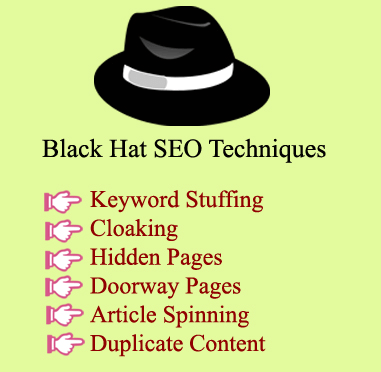
1. Keyword Stuffing
.The SEO is a ever -developed area, and the search engines continuously update their algorithms to provide users with best possible results. If you have old content on your website, customizing it for current SEO trends can help improve ranking, run more traffic and promote engagement. Many businesses focus on creating new materials but forget the possible benefits of updating existing articles. By refining chronic content, you not only improve its relevance, but also increase the user experience, leading to better visibility in the search engine results. This article will guide you through the steps required to effectively customize the old content for SEO.
Key Points:Overusing targeted keywords in an unnatural way.
-
Reduces readability and user experience. Search engines can penalize or deindex the page.
-
Modern algorithms detect and penalize keyword stuffing effectively.
-
Best practice is to maintain natural keyword density and high-quality content.
2. Cloaking
Clooking is a misleading technique where different materials are shown to search engines and users. It misleads the engines finding a page in ranking for unrelated words when providing visitors perfectly different materials.
Key Points:
-
Manipulates search engine algorithms for higher rankings.
-
Creates misleading content for users.
-
Google’s algorithms can detect and penalize cloaking.
-
Results in loss of trust and deindexing.
-
Ethical SEO focuses on transparency and content relevance.
3. Hidden Text and Links
Some websites use invisible text or hidden links to manipulate the ranking. This can be obtained by setting a text color to match the background or positioning link to match the off-screen, making them unpalatent to users but is detected by the search engine.
Key Points:
-
Commonly used to stuff keywords without affecting readability.
-
Considered deceptive and against search engine guidelines.
-
Google’s crawlers can identify and penalize hidden text.
-
Instead, focus on genuine and relevant content optimization.
-
Ethical linking strategies help build credibility and trust.
4. Link Farming
A link form is a group of websites that artificially link to each other to increase the backlink count. Since backlinks are an important ranking factor, Black Hat SEO practitioners fully exploit it by creating a network of low quality sites for link-beding purposes.
Key Points:
-
Generates artificial backlinks without genuine value.
-
Google penalizes sites involved in link farming.
-
Creates a poor user experience with irrelevant links.
-
Organic link-building strategies are more sustainable.
-
High-quality backlinks improve rankings without risk.
5. Duplicate Content
Drawing materials or internal pages from other websites can cause the search engine punishment. Google values can significantly reduce the reliability and ranking of the website, originality and copied content.
Key Points:
-
Duplicate content confuses search engines.
-
Lowers website authority and trust.
-
Google prioritizes original, high-quality content.
-
Avoiding plagiarism ensures long-term SEO success.
-
Investing in unique and engaging content benefits rankings.
6. Private Blog Networks (PBNs)
A private blog network (PBN) includes several websites created to generate backlink on a primary site. While it can temporarily promote the ranking, the search engine has become adept at detecting such links and devaluating such links..
Key Points:
-
PBNs artificially inflate backlink profiles.
-
Google devalues PBN backlinks when detected.
-
High-quality content naturally earns backlinks.
-
Ethical link-building improves domain authority.
-
Sustainable strategies yield long-term success.
7. Clickbait and Misleading Redirects
Using misleading headlines to attract visitors or to redirect users on irrelevant pages can damage a website’s reputation. Search engine tracks user behavior, and high bounce rates can be replicated.
Key Points:
-
Clickbait headlines frustrate users and increase bounce rates.
-
Misleading redirects violate user expectations.
-
Google tracks user engagement and penalizes deception.
-
Providing valuable content improves trust and retention.
-
Ethical SEO strategies enhance user satisfaction and rankings.
8. Spam Comments and Forum Spam
Posting irrelevant comments on blogs or forums with a link to a website is a common black hat SEO strategy. This approach tries to achieve backlink but eventually causes reliability and damage to the user trust.
Key Points:
-
Spammy comments create a negative reputation.
-
Search engines ignore low-quality backlink sources.
-
Ethical engagement in forums builds trust and authority.
-
Manual outreach yields better SEO results.
-
Authenticity improves audience interaction and visibility.
9. Negative SEO Attacks
Posting irrelevant comments on blogs or forums with a link to a website is a common black hat SEO strategy. This approach tries to achieve backlink but eventually causes reliability and loss to the user trust..
Key Points:
-
Ethical SEO focuses on fair competition.
-
Google detects and discredits negative SEO attempts.
-
Engaging in negative SEO can backfire.
-
Strengthening site security prevents such attacks.
-
White Hat SEO ensures sustainable growth.
10. Black Hat SEO Automation
Some Black Hat SEO practitioners use automatic tools to generate backlinks, materials or fake traffic. These devices violate the search engine guidelines and often produce low quality results.
Key Points:
-
Automated tools create low-value content and links.
-
Google penalizes automated Black Hat techniques.
-
Authentic user engagement boosts SEO performance.
-
High-quality content and ethical SEO yield lasting success.
-
Avoiding automation ensures credibility and trust.
Risks of Black Hat SEO
Engaging in Black Hat SEO carries several risks, including:
-
Google Penalties: Google often updates its algorithm (eg, panda, penguin) to detect and punish immoral practices.
-
Deindexing;
The websites caught using the Black Hat SEO strategy can be completely removed from the search engine results.
-
Loss of Trust:
Users who face misleading materials are unlikely to return to the brand reputation. -
Financial Loss: Recovering from a Google penalty can be costly and time-consuming.
FAQS:
-
Is Black Hat SEO illegal?
No, it’s not illegal by law, but it violates search engine guidelines and can result in penalties like de-indexing (removal from search engines). -
What are examples of Black Hat SEO techniques?
Examples include keyword stuffing, cloaking, link farms, hidden text, and doorway pages. -
Can Black Hat SEO harm my website?
Yes, it can lead to a significant drop in rankings or even a complete ban from search engines like Google. -
Why do some people still use Black Hat SEO?
Some use it to try to get quick traffic and higher rankings, but it’s a risky short-term approach. -
How can I protect my website from Black Hat SEO practices?
Follow search engine guidelines, focus on high-quality content, avoid shady SEO services, and monitor your website for suspicious activities.