Website speed helps form the first impression for a visitor of that website and business. Developers and testers strive hard to make a website aesthetically pleasing and functional by adding numerous features, content, and functionalities. However, if these features are not adequately optimized it may adversely affect website speed. This article details reasons what is Website Speed and Why it Matters and why it is essential to optimize website speed.
What is Site Speed?
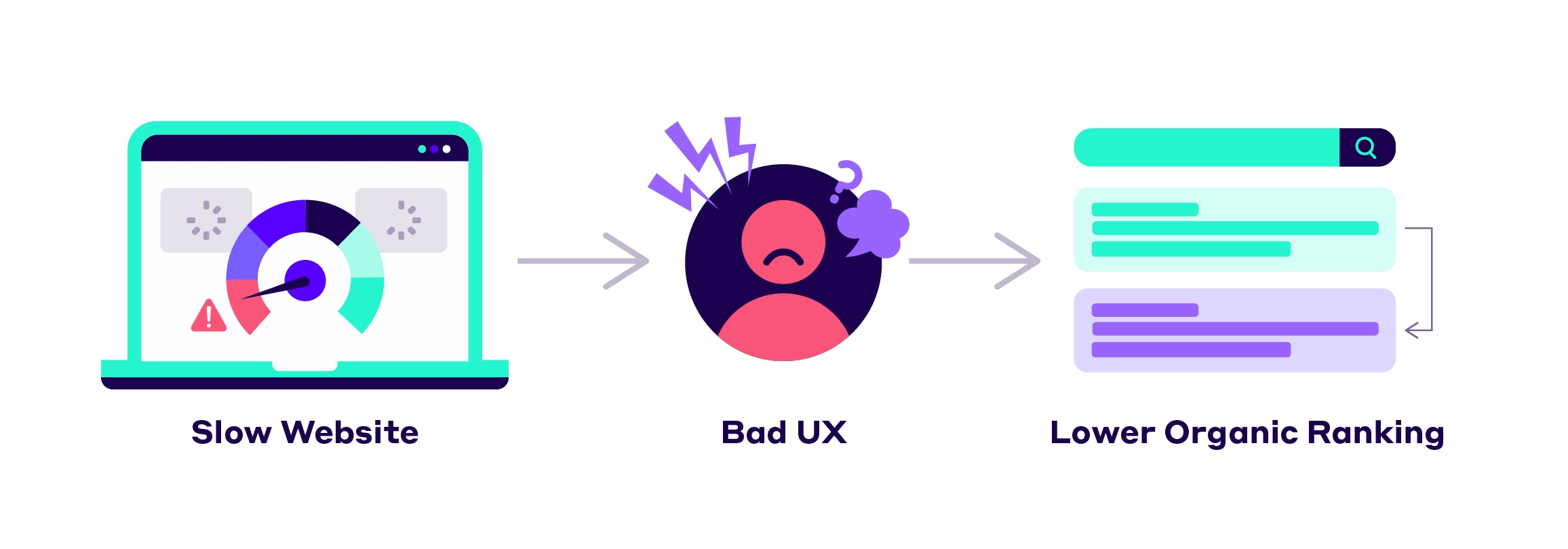
Site speed refers to how quickly a website loads and displays content when a user visits. It includes factors like loading time for images, videos, text, and interactive elements. A fast site speed provides a better user experience, improves search engine rankings, and boosts engagement by minimizing wait times for visitors.
Site Speed vs Page Speed

Site Speed is the overall average loading speed across multiple pages on a website, affecting the user experience and SEO for the entire site while, Page Speed is the loading speed of a single page, influencing user engagement and performance on that specific page.
Importance of Website Speed
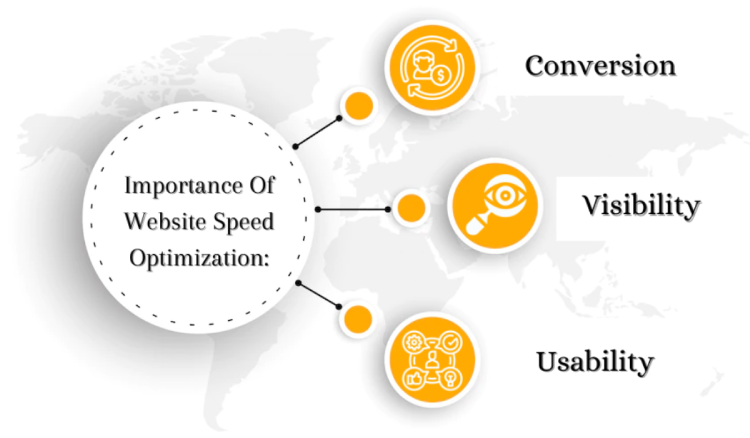
A fast-loading website attracts and retains visitors. It also influences user engagement, SEO performance, and conversions. With attention spans decreasing and users expecting near-instant page loads, speed has become a decisive factor in user satisfaction and business success. Here are why website speed matters:
1. High speed ensures an impressive user experience

As mentioned earlier, when a customer or a visitor opens the website for the first time, they expect it to load quickly (within 3 seconds). Bear in mind that first impressions are vital for businesses on the web. Speed plays a decisive role in how audiences perceive a brand on the web. It is human tendency to consider a faster website more reliable and professional. Inversely, a slow website is mostly annoying for users.
2. Speed affects the SEO rankings of a website

Google made it very clear that they operate by speed-obsession for every product on the web. Matt Cutts (Google’s former head of web spam) has officially admitted that Google considers fast load speed as a positive ranking factor. However, Google has also clarified that website owners should not compromise with content quality or relevancy to make web pages faster.
3. Speed affects conversions

Bear in mind that Google penalizes websites with low page load speed. More importantly, customers or visitors will stop returning to such sites or bounce when pages take too long to render. This results in the loss of potential customers and revenue. For businesses to be successful on the web, having a fast website is non-negotiable. A fast loading website not only delivers a good user experience but helps in creating a lasting positive impression among customers.
4. Lower Abandonment Rates
Slow-loading pages often lead users to abandon a site before it fully loads. It is especially true when they are looking for quick information or trying to make a purchase. High abandonment rates not only decrease user engagement but can also lead to a negative perception of the brand. A fast website reduces abandonment rates by keeping users engaged and increasing the likelihood of interactions or purchases. This minimizes revenue loss and boosts customer satisfaction and loyalty.
5. Mobile Performance

Mobile users often have even shorter attention spans than desktop users, so a quick load time on mobile devices is essential to meet their expectations. Ensuring fast load times on mobile devices allows users to navigate smoothly without interruptions. This is particularly important for businesses, as mobile users are more likely to abandon sites that lag or load poorly, which can significantly impact traffic, engagement, and conversions from mobile sources.
Factors Affecting Site Speed

Here are some key factors that affect Site Speed:
- Server Response Time: A slow server can delay initial content loading. Optimizing server configurations and reducing server response time helps speed up loading.
- Image Optimization: Large, uncompressed images take longer to load. Using optimized, compressed images improves site speed significantly.
- File Size and Compression: Heavy CSS, JavaScript, and HTML files can slow down a site. Minifying and compressing these files reduce load time.
- Browser Caching: Enabling caching allows returning visitors to load the site faster by storing static files locally, reducing the need for repeated requests.
- Content Delivery Network (CDN): A CDN stores site content on multiple servers worldwide. It reduces load time by delivering resources from the closest server to the user.
- JavaScript Execution and Render-Blocking Scripts: JavaScript files that load before rendering the page can delay load times. Deferring or asynchronously loading JavaScript reduces this impact.
- Number of HTTP Requests: Each file like images, scripts, etc. requires an HTTP request. Reducing the number of requests by combining files or eliminating unnecessary assets speeds up the site.
- Web Hosting Quality: Shared hosting or low-quality servers can impact speed, especially during high traffic. Choosing high-performance hosting services helps ensure consistent speed.
- Redirects: Excessive redirects increase load times as each redirect involves an additional HTTP request-response cycle. Limiting redirects improves speed.
- External Embedded Media: Embedded media like videos or widgets can slow down a page. Using lightweight media or lazy loading can help maintain speed.
- Code Quality and Structure: Well-organized, lean code loads faster. Avoiding excessive inline styles, redundant code, and unnecessary plugins keeps the site efficient.
- Other post: How Many Pages Does a Website Need?
- Other post: What Is an Internal Linking
- Other post: What is the Google Algorithm Update
- Other post: What Is Off-Page SEO?