Off-page SEO is a group of practices that aim to improve a website’s rank in search engine results. Pages (SERPs), mainly through authority and reputation building. It’s also called off-site SEO because the focus isn’t placed on the website in question. But on other well-positioned sites and content channels. Unlike on-page SEO (which focuses on content, keywords, metadata, and similar elements), off-page SEO improves a website’s rank by connecting it to other reputable sources of information. This guide will explain what Is Off-Page SEO?
Difference between on-page SEO vs. off-page SEO
The main difference between on-page and off-page SEO is that on-page SEO involves optimizing elements on the page like content and keywords, whereas off-page SEO involves external factors like building links and authority. Your main goal for on-page SEO is to create high-quality content and optimize the page using keywords, internal linking, images, and other components. For example, the on-page SEO for this page can be improved, considering that competing pages are better optimized.
Why is off-page SEO important?
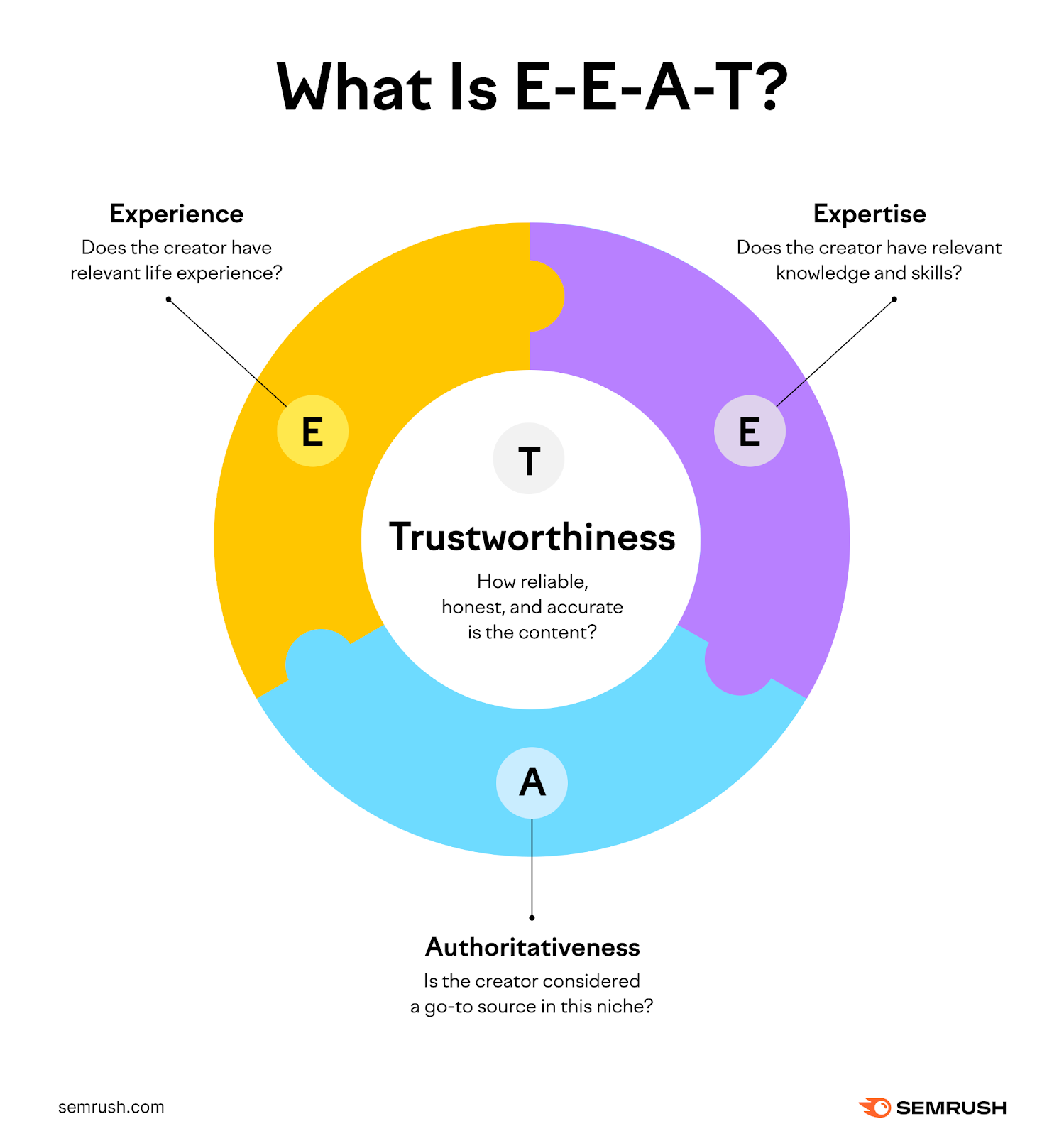
Off-page SEO is important for meeting Google’s Quality Rater Guidelines, specifically E-E-A-T (Experience, Expertise, Authoritativeness, and Trustworthiness). Your website can’t have these elements with on-page SEO alone because search engines strongly rely on authority through off-page SEO factors. “High quality” in this context refers to the reputability and trustworthiness of the source websites linking to your pages.
How does off-page SEO work?

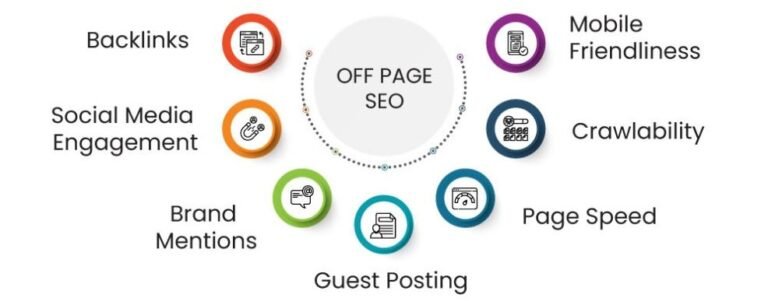
Off-page SEO works by showing Google and other search engines what users and reputable websites feel about your website. Off-page SEO factors determine the credibility and trustworthiness of your website and influence your search engine rankings. The exact way these connections are made is a well-kept secret, though Google has given us some useful insights. It all comes down to the key off-page SEO factors, such as:
- Number and quality of relevant backlinks
- Anchor text leading to your page and its relevance to the topic and keywords
- Authoritativeness and trustworthiness of the websites sending users to your pages
11 techniques for an off-page SEO strategy
Off-page optimization involves other sites and content sources, so controlling the outcome is more challenging than on-page and technical SEO. To minimize guesswork and fast-track your site’s authority, follow these 11 off-page SEO tips.
1. Build quality links

A solid link-building strategy is the heart and soul of your off-page SEO efforts. Backlinks are considered the most decisive off-page ranking factor. The goal here is simple—get as many authoritative and relevant websites to link to your content. There are several ways to do this, which you’ll learn about further in this guide.
Two things make a strong backlink.
- One, the website linking to you must have mid to high authority themselves
- And two, the linking page should be relevant to yours
- Three, the keywords in the anchor text should describe your content
2. Publish data and research-backed content
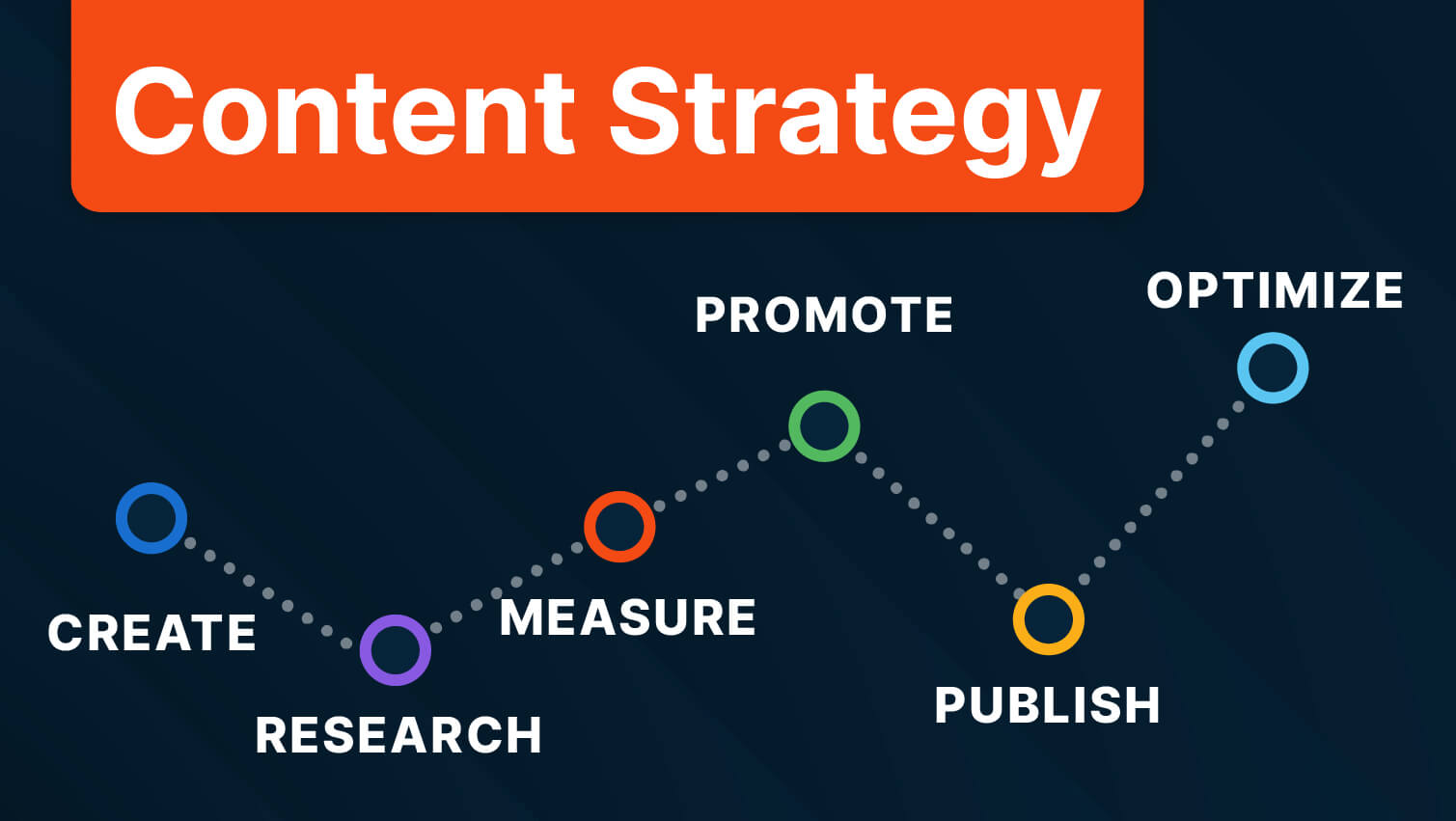
A good way to acquire backlinks is to get someone to link to your content because they find it valuable. Such backlinks are natural links because you don’t have to ask for them explicitly. The best way to increase the chances of reputable websites sending users your way is to publish original research. These could be data-driven pieces, survey insights or industry reports. Research findings, statistics, and other types of cold data build authority and position you as an expert on the topic, which can enhance your E-E-A-T standing with Google.
3. Enhance your E-E-A-T with guest posting
Acquiring natural links can take a while, and you shouldn’t sit and wait for them. In the meantime, you can use more active link-building techniques like guest posting. Find a reputable website in your niche and offer to write a guest post. Here’s a good example of a pitch for a guest post.

This creates a win-win for everyone involved—the webmaster gets a free article, and you get a backlink from a well-established site. Many websites offer guest posting opportunities. Sometimes they will have a section dedicated to your guest post’s guidelines.
4. Land mentions in the media

Acquiring off-page SEO links isn’t the only way to boost your E-E-A-T—unliked brand mentions and citations can also be quite helpful. While they don’t directly pass link juice like backlinks do, Google still recognizes them as signals of authority and a positive reputation. News outlets, local business registries, and various other third-party sources of information can help you get new eyes on your brand and website. Press releases are not long-term ranking material but practice these steps when creating one.
- Linking to your website (if doing so is allowed)
- Using the right keywords in the press release
- Writing a catchy headline that generates clicks and traffic
5. Partner with relevant businesses
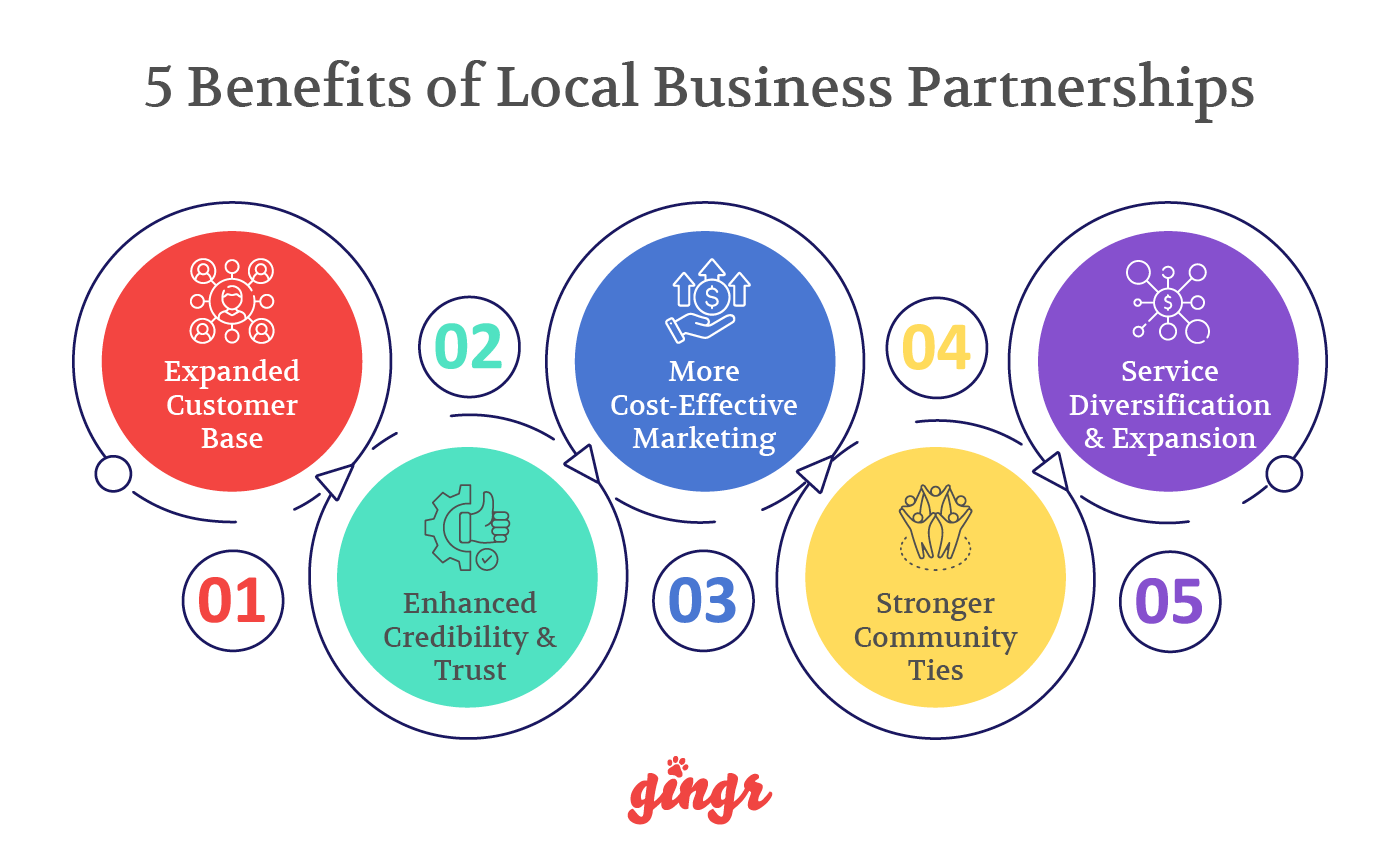
Connections within your niche can go a long way toward helping you improve off-page SEO. One of the best ways to forge such connections is to contribute to roundup posts—articles where industry experts share their knowledge on a topic. For example, this roundup about blogging mistakes gathered insights from 20 bloggers, each of whom was cited and got a link to their website. Finding relevant roundups works similarly to identifying guest blogging opportunities. You can Google roundups in your niche to find websites that publish them and reach out to the site owner
6. Boost your E-E-A-T with positive reviews and testimonials
Google trusts users to determine whether a business is trustworthy. At the same time, people generally trust their peers more than ads when making purchase decisions. With this in mind, online reviews can make or break your reputation and off-page SEO. Here’s what Google has to say about reviews in its Search Quality Rater Guidelines.
Look for independent reviews, references, news articles, and other sources of credible information about the website or content creators. Is there independent, reliable evidence that the website or content creator is experienced, has expertise, is authoritative, or is otherwise considered trustworthy? Is there independent, reliable evidence that the website or creator is untrustworthy?
7. Create infographics
Infographics have a similar effect as statistics and data-backed content—they demonstrate expertise and can be an excellent tool for building links. Plus, shareable visuals are more appealing than plain text, which enhances user engagement. The US Centers for Disease Control and Prevention has some interesting health related infographics on their website.

If you want to create captivating infographics, that others will want to share, make sure to do the following:
Craft an eye-grabbing title—Make your infographic’s title short and punchy (similar to how you’d write an article’s meta title).
Use as little text as possible—Infographics should never contain huge paragraphs of text. Let the visuals tell the main story and use short copy for context and clarification.
Leave enough white space—Your infographic should balance compelling visual elements with sufficient white space to ensure they’re not too crowded.
Use 2–3 colors—Choose a simple color palette consisting of the main/background color and one accent color. Ideally, the color palette will match your brand visuals to ensure consistency.
8. Use social media
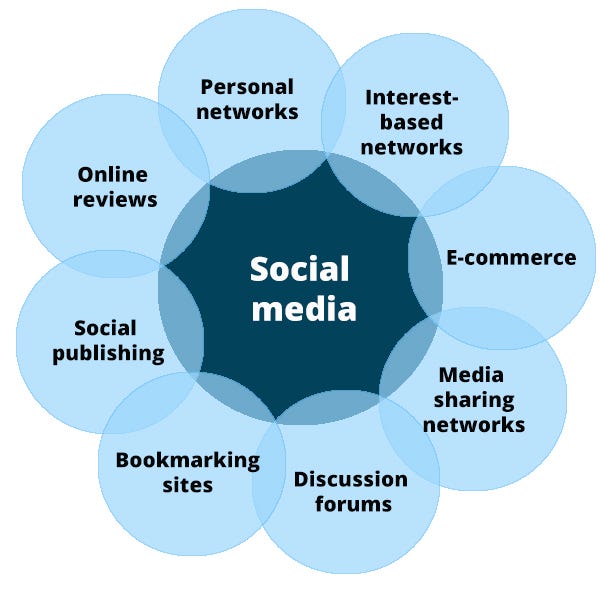
The more traction your brand gains online, the more authority it builds in Google’s eyes. Of course, this is true if your social media mentions are positive and come from reputable sources. A strong social media presence is crucial for brand awareness and can attract website traffic. Even if you only get a handful of high-profile sources talking about your brand, this can snowball into many positive off-page SEO signals. Direct links from social platforms are primarily no follow links, so they don’t pass equity to your website.
9. Don’t skip local SEO
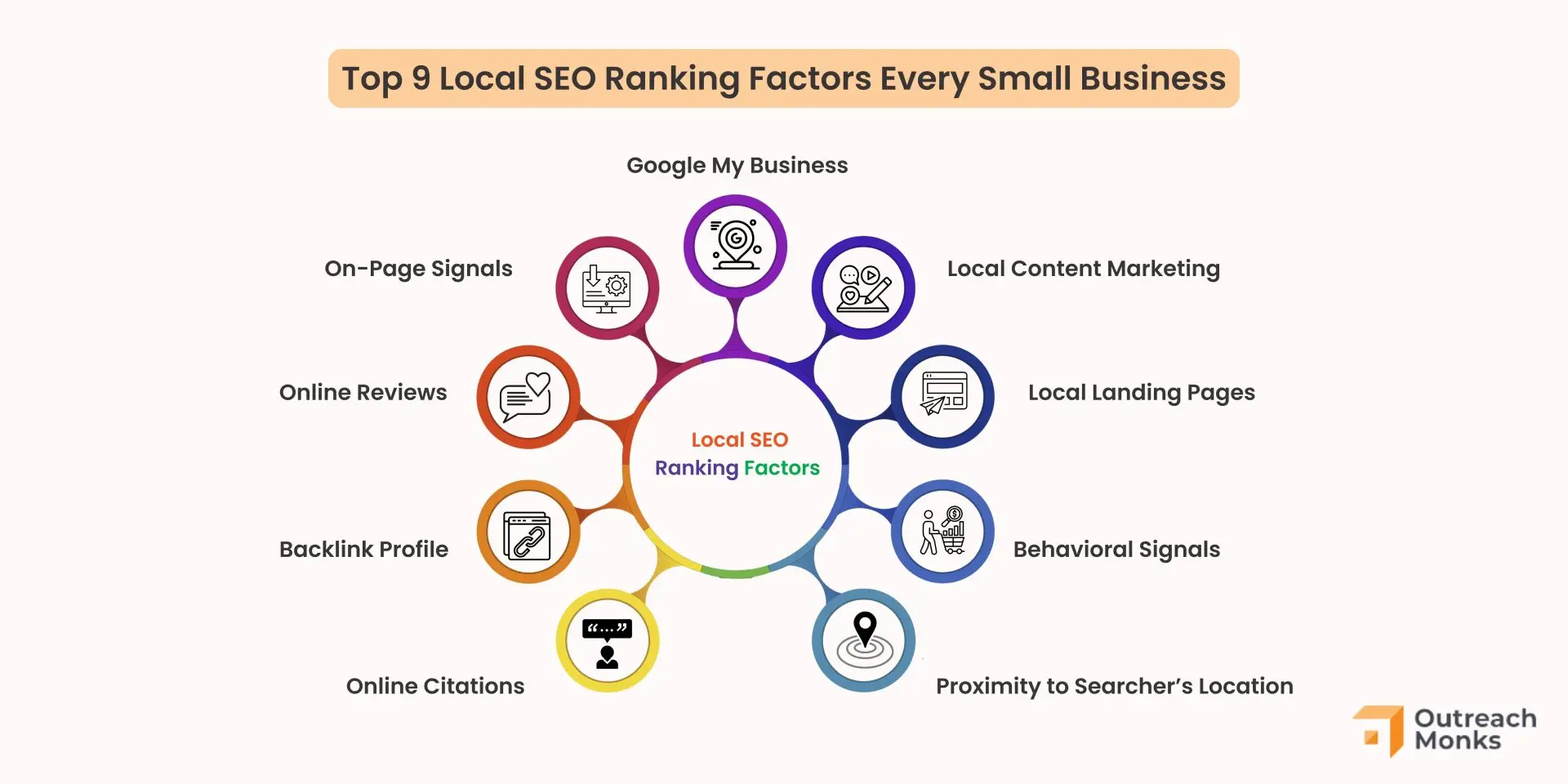
Local SEO is crucial for ranking high in search results and contributes to your off-page SEO strategy in two ways. The first one is your Google Business Profile (GBP). It appears on SERPs and Google Maps, and a well-optimized GBP is an essential ranking factor for local results. To optimize your GBP, write a compelling description of your business, use the right keywords and enter accurate information like your contact details and working hours. Your Google Business Profile must look credible and have as much information as possible for potential customers. Follow Google’s own suggestions to optimize your GMB here.
10. Leverage offline marketing channels

Offline marketing and SEO might not seem to go together at first, but don’t underestimate the power of such unconventional tactics. Events and other in-person networking opportunities can indirectly boost your online reputation and presence, helping your off-page SEO without too much effort. The way this happens is pretty simple. You attend events and meet some industry experts, and they start talking about you or collaborating with you.
11. Track your branded searches and mentions
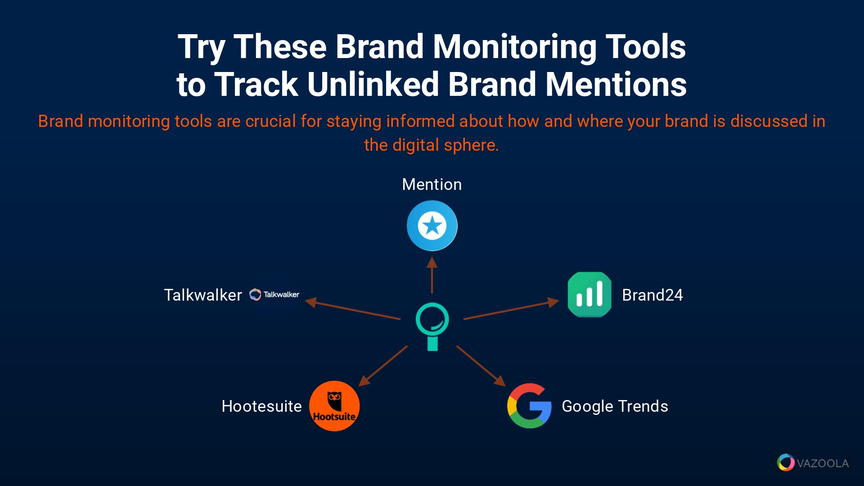
You should identify such mentions and approach the website owner for a link. The easiest way to do this is by leveraging tools like Buzz Sumo, which offers detailed brand monitoring that can uncover unlinked mentions without too much legwork. Monitoring brand mentions serves two purposes:
- Tracking the progress of your SEO efforts
- Discovering new backlinking opportunities