Social media marketing is the use of social media networks to promote your brand and products or services to your audience online. It involves creating custom content to share on your page, engaging and communicating with your audience, launching paid advertisements, monitoring engagement metrics, and more. Using social media for marketing is one of the most powerful ways to engage and interact with your audience on multiple levels. But social media marketing is more than just posting content for likes. It requires careful planning and strategizing to execute successfully. Here we discuss what Is Social Media Marketing.
What is social media marketing, and how does it work?
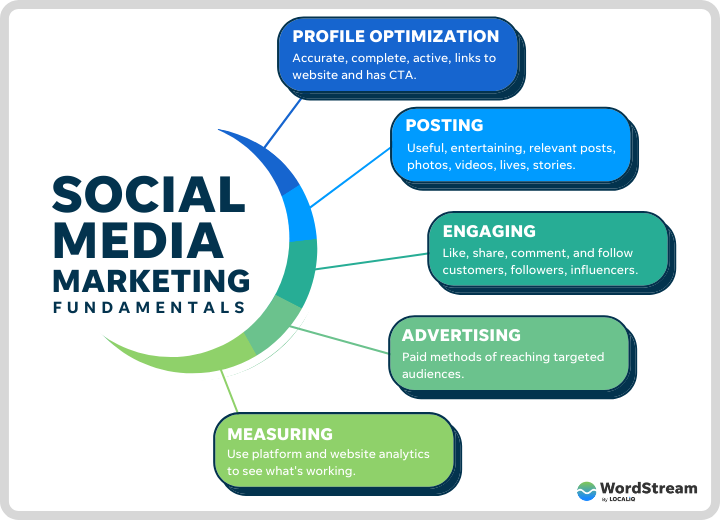
Social media marketing is the use of social media networks to promote your brand and products or services to your audience online. It involves creating custom content to share on your page, engaging and communicating with your audience, launching paid advertisements, monitoring engagement metrics, and more. The best way to explain how social media marketing works is to cover its five core pillars. The five pillars of social media marketing address key stages in the marketing process:
Strategy:
At this stage, you’ll think about what goals you want to achieve with your campaign, which platforms you’d like to use, and the types of content you want to share.
Planning & publishing:
Planning and publishing content is key to a successful marketing campaign on social media. Posting at the right time is critical to ensure your content reaches your target audience, so planning out content in advance is crucial.
Listening & engagement:
Tracking mentions of your brand across social media platforms and replying to those comments can help you engage with your audience and nurture relationships that turn into brand loyalty.
Analytics & reporting:
Understanding your social media audience and how they interact with your campaigns is critical to your success. With social media analytics you can gain valuable insights into which tactics and content are helping your company achieve your goals and optimize those strategies for future success.
Advertising:
Social media platforms have powerful ad targeting capabilities that can reinforce your organic content strategy. With them you can specify exactly who you want to see your ads and ensure they reach the people most likely to purchase your products or services.
Benefits of social media marketing
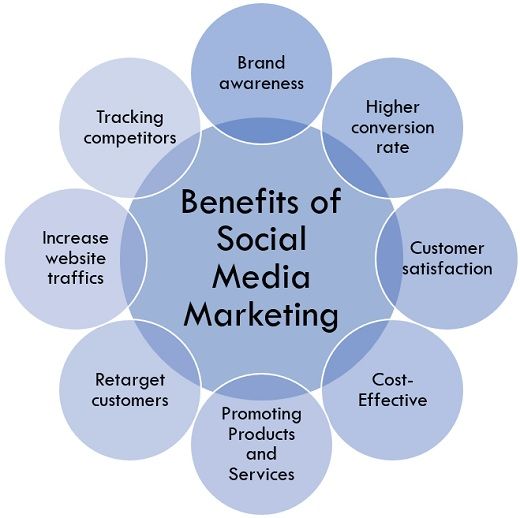
Now that you know the social media marketing definition, let’s dive into the pros of using social media for marketing. The benefits of social media marketing for businesses include:
Build relationships:
With social media marketing, your business can connect with users in real-time via comments and private messages, which are great outlets for building brand awareness, increasing trust, and improving customer loyalty.
Access new marketing data:
Social media networks also provide your business with additional marketing data, which you use to better understand your audience. Review your analytics to determine which topics resonate with users, when to post new content, and more.
Nurture the buying funnel:
Another advantage of social media is it also provides another way for your business to nurture consumers or business buyers. Use posts, comments, ads, and more to move users from being aware of your brand to being ready to buy.
Drive traffic to your website:
Your social media account page, posts, and ads all provide an opportunity to add links to your website, enabling you to get more people to visit your site and browse your products or services.
The best social media marketing platforms for businesses
Now that you know more about the role of social media in marketing and how it can benefit your company, let’s dive into which networks you can use to promote your brand. The best social media marketing platforms for businesses include:
- X/Twitter
- TikTok
- YouTube

With more than 2.9 billion monthly active users, Facebook is one of the most popular social media platforms in the world. Facebook is also a great platform if you want to reach baby boomers and millennials, with 87% of millennials and 84% of baby boomers on Facebook. Many people use Facebook to get updates from their favorite brands, making it the perfect platform to announce events, updates to your business hours, or your newest products or services.

Surpassing over one billion active monthly users, Instagram is another popular social media platform for promoting your products or services. Instagram features a variety of content formats, including Stories, Reels, Live videos, and more, making it a great platform for creating different types of engaging content for your audience.
X/Twitter

People love to use X (formerly known as Twitter) to get the latest news, follow brands, participate in energized discussions, and more. X is the perfect platform to allow your audience to contact you for customer support and engage with users in fun discussions.
LinkedIn is a professional network that people use to search for and promote jobs, share industry insights, and learn more about a company’s culture and work environment. That makes LinkedIn a great platform to:
- Attract new team members
- Network with businesses, partners, and customers
- Share company news and updates
- And more
TikTok
One of the fastest-growing social media sites, TikTok is one platform you won’t want to miss out on. TikTok enables you to post fun, short-form videos that engage and entertain your audience while they learn more about your brand. Due to its constant video challenges and trends, TikTok is an excellent platform for growing your brand awareness and reaching a younger audience demographic.
YouTube
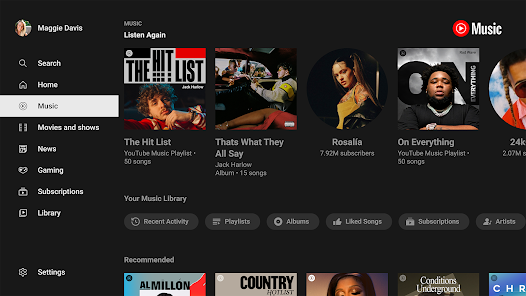
When it comes to video content, YouTube is the place to be. As the second largest search engine on the Internet, YouTube brings in a diverse audience through its variety of content offerings, from how-to videos to vlogs. YouTube presents the perfect opportunity for brands looking to share inside looks at their company, show off products, share industry insights, and more!
How to create a social media marketing strategy
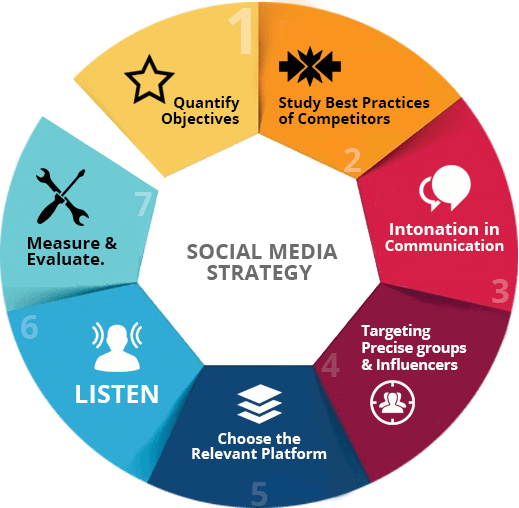
Before you launch your first social post, you must establish a few things to ensure you’re successful with your strategy. Here’s how you can set your social media marketing strategy up for success:
- Identify your target audience
- Identify your platforms
- Set your goals
- Determine how you want to convey your brand
- Identify the metrics you want to track
1. Identify your target audience

When you learn how to do social media marketing, one of the first steps to take is to identify your target audience. You won’t succeed with your strategy if you aren’t targeting the right people, so you must identify who’s most interested in your business. To determine your target audience, look at the typical customer that frequents your business. Determine information like:
- Age
- Gender
- Location
- Occupation
- Income
- Hobbies
- Interests
You can use this information to form buyer personas, which help you understand who you’re targeting on social media. When you compile this information, you can determine which social media platforms are best for your business. You can focus on platforms where your target audience is likely to spend their time.
2. Identify your platforms

Once you know who you’re targeting, the next step is to identify your platforms. You want to use social platforms your audience is likely to use so that you can reach them. The first thing I recommend is to get to know each platform & what type of users are typically frequenting them. You can easily find demographic details, engagement metrics, and overall insights to compare against your target audience details & find where you have the best overlap and best chances of seeing impactful results. There are dozens of platforms you can choose from, including:
- YouTube
- Snapchat
- TikTok
3. Set your goals
Before you start using social media for marketing, you must determine the goal of your social media strategy. What do you want to achieve through social media? You can choose from numerous goals, including:
- Increase brand recognition
- Increase engagement
- Increase leads
- Increase sales
Without goals, you’ll post on social media aimlessly. Goals help you keep your social content focused so that you can drive results.
4. Determine how you want to convey your brand
One of the biggest benefits of social media is that it enables you to convey your brand’s personality through posts. Before you launch your first post, you need to determine your brand identity. You want to determine how you’ll convey your brand to your audience.
5. Identify the metrics you want to track
When you promote your brand on social media, you learn that tracking your campaigns’ success is critical. You need to see how your content performs to optimize your strategy to continually drive better results. You’ll want to identify your key performance metrics (KPIs) to track your campaigns’ performance. Your social media KPIs will depend upon your campaign goals, but some standard metrics to track include:
- Engagement Rate
- Website traffic
- Brand awareness
- Post reach
- Click-through rate (CTR)
- Bounce rate
- Conversions
- Related post: Why Grow Your Business on Social Media?
- Related post: 17 Best Social Media Management Tools
- Related post: How to Use Social Media Automation to Grow your Business
- Related post: Best time to post on social media