Content marketing keeps changing fast. What worked last year might not work tomorrow. With AI tools, short-form videos, and shifting algorithms, it’s easy to fall behind if you’re not paying attention. The tough truth? 91% of businesses use content marketing, but only 29% say it’s truly effective. That gap exists because many are stuck using outdated tactics. In this blog, we explore the Future of Content Marketing Trends & Tools to watch to actionable strategies to stay ahead. Whether you’re just getting started or already running campaigns, this guide will help you plan smarter for what’s coming next.
Steps of future of Content Marketing Trends & Tools
you’re just getting started or already running campaigns, this guide will help you plan smarter for what’s coming next. Here are some trends that will surely lead the future of content marketing.
Video Content Will Dominate

Video isn’t just a trend; it’s quickly becoming the default way people consume content. Whether it’s a 15-second Instagram Reel or a 10-minute YouTube tutorial, video grabs attention in ways that text alone can’t. In fact, online videos are expected to make up over 82% of all consumer internet traffic by 2025. That’s a strong signal if your content strategy doesn’t include video, you’re already behind. Short-form video, in particular, is leading the charge. Platforms like TikTok, YouTube Shorts, and Instagram Reels have revolutionized online communication. They’re quick, easy to digest, and incredibly effective at boosting reach. 56% of marketers said short-form video was their top content investment in 2024, and that’s not slowing down.
Why Video Works
Here are some reasons why video content works better:
- It’s engaging and easier to remember
- It works across platforms (web, social, email)
- It builds an emotional connection
- It can directly impact conversions, 87% of marketers say video helps drive sales
AI-Driven Content:
AI isn’t coming to content marketing. It’s already here. What started as a buzzword is now part of everyday workflows. From drafting blog posts to generating video scripts and even repurposing content, AI is reshaping how we work. AI tools help marketers brainstorm faster, create more efficiently, and handle repetitive tasks with less manual effort. Whether it’s writing product descriptions, summarizing long reports, or generating social media captions, AI helps you move quicker without starting from scratch. The future of AI in content is about collaboration. Use it to assist, not automate everything. Brands that blend human insight with AI-generated efficiency will stand out.
Popular AI Tools Reshaping Content Work
- ChatGPT – draft emails, outlines, social posts
- Jasper – marketing copy with tone customization
- Surfer SEO – AI content suggestions optimized for ranking
- Descript – turns text into audio/video and vice versa
Blogs and Written Content:

With all the buzz around video and AI, it’s easy to assume blogging is outdated. But the numbers tell a different story. Even 90% of marketers still use blog posts as part of their content strategy. While the format is changing, the value of written content remains strong, especially for SEO, thought leadership, and long-term traffic. The difference now is: generic won’t cut it.
Today’s successful blog content is:
- Longer (1,500 – 2,500+ words)
- Backed by original insights or data
- Structured with visuals, bullet points, and summaries
- Optimized for both people and search engines
Content Personalization and Authenticity

In the future of content marketing, relevance and trust will matter more than ever. People don’t just want content; they want content that feels made for them. 75% of consumers are more likely to buy from brands that deliver personalized experiences. With the rise of AI and data tools, content personalization is getting easier to implement—even for small businesses. Whether it’s product suggestions, tailored email campaigns, or dynamic website content, users now expect brands to know what they need.
Simple personalization ideas:
- Segment your email list by interest or behavior
- Show different content to new vs. returning visitors
- Recommend blog posts based on previous reading history
- Use quizzes to guide users to tailored solutions
Multi-Channel and Content Distribution Strategy
Creating great content is just half the job—getting it seen is the other half. That’s why distribution is becoming just as important as production. 67% of marketers say content distribution has become more challenging over the last year. Gone are the days when you could post a blog and rely on Google alone. Today’s audiences are spread across various platforms, including YouTube, LinkedIn, Instagram, email, podcasts, and more. Moreover, live streaming is increasingly popular, allowing real-time interaction with an audience. That means your content plan needs to be multi-channel by design.
Why a Multi-Channel Approach Matters
- Algorithms shift all the time (e.g., Google updates, social reach limits)
- It reduces dependence on a single traffic source
- You meet your audience where they already spend time
- You build stronger brand visibility across touchpoints
Tools Shaping the Future of Content Marketing
With content evolving fast, the right tools can save time, improve quality, and give you a serious edge. From AI writing assistants to advanced SEO analyzers, the content tech stack is growing—and getting smarter. 56% of top-performing marketers say AI tools have helped them improve content quality and workflow efficiency. Below are some essential tools leading the way in 2025:
Content Creation & Writing
- ChatGPT – Great for outlines, first drafts, FAQs, and social posts
- Jasper AI – AI copywriting tailored for brand tone
- Grammarly – Grammar, tone, and clarity checks
SEO & Optimization
- Surfer SEO – AI-driven SEO suggestions for blog content
- Semrush – Keyword research, backlink audits, competitor tracking
- Ahrefs – Powerful for SEO analysis, keyword gaps, and link-building
Video & Visual Content
- Descript – Turn text into video/audio and vice versa
- Canva – Drag-and-drop design with AI features
- Pictory – Automatically create short-form videos from text or long clips
Analytics & Workflow
- Google Analytics 4 – Traffic and engagement insights
- Notion or Trello – Content planning and team collaboration
- Buffer or Hootsuite – Social media scheduling and tracking
Future-Proof Strategies for Content Marketers
Trends come and go, but strategy keeps you grounded. Below are seven key practices that will help you build a content foundation that’s relevant today and still strong a year from now.
1. Combine AI With Human Insight
AI devices may speed your workflow, but they cannot change your experience or originality. Use AI for the outline, material brief, or first draft, then refine them with your tone, brand voice and perspective. Readers can tell when the material feels normal or robotic, so make sure your last piece feels like you. The most effective strategy is to allow AI to handle boring goods, while you focus on creative and strategic parts.
2. Focus on Quality Over Quantity

Publishing more doesn’t guarantee results; publishing better does. One in-depth blog post with value, structure, and insight can outperform ten shallow ones. In 2025 and beyond, quality content builds stronger trust, ranks better, and keeps users engaged longer. If you’re tight on time or resources, double down on fewer pieces that go deep, solve real problems, and are worth linking to or sharing.
3. Prioritize Video

The video is no longer optional; It is expected that short videos work well for social media access, while long forms are great for education, storytelling or product demo. Start with a simple video shot on your phone, using a tool like descript or canva to add polish. As long as your video is clear, helpful and authentic, people care less about the right production and more about the message.
4. Personalize Your Content
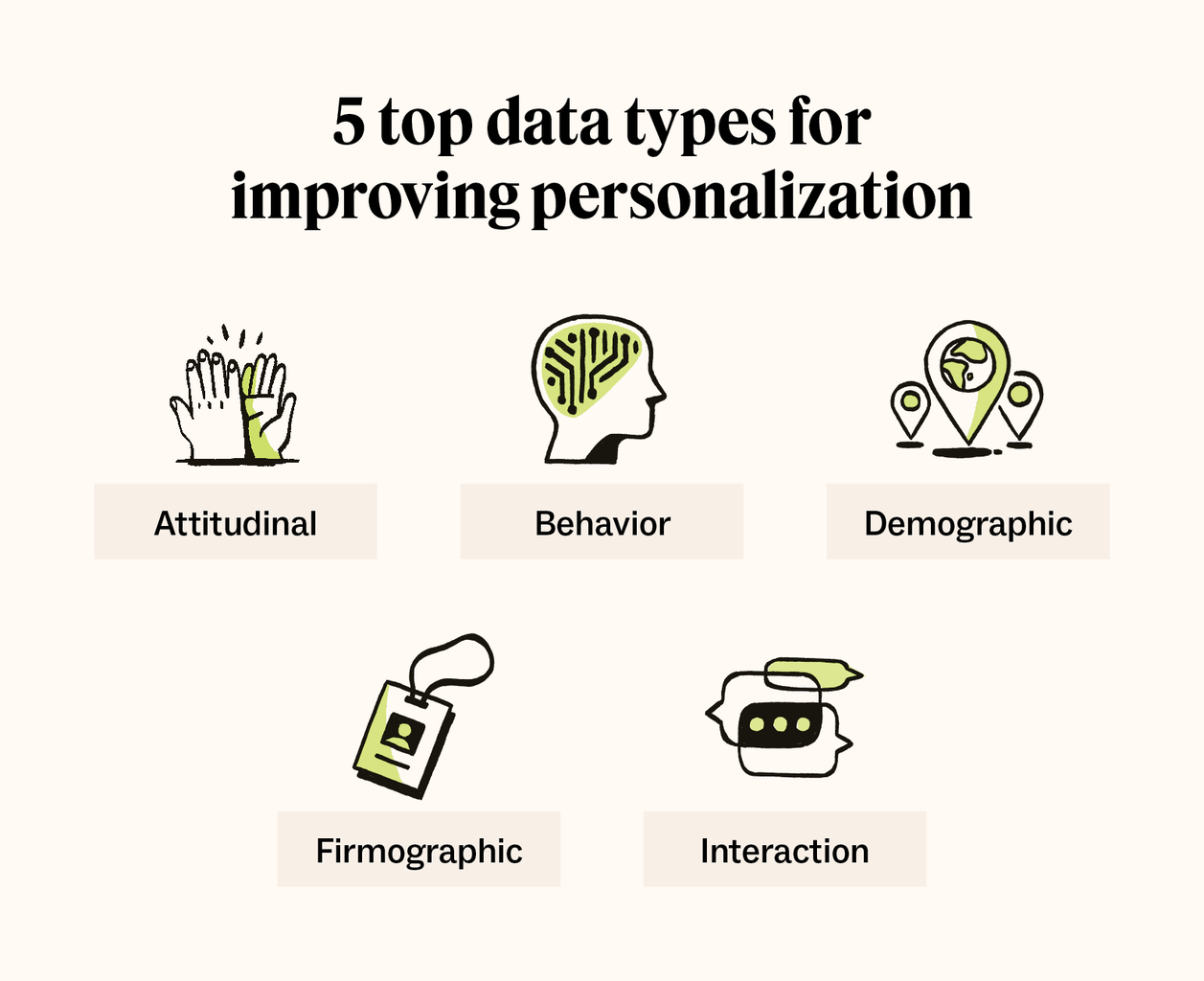
Your audience is not a size-fit-all, your content should not be either. Start by refuting at the basis of behavior, interest, or buyer phase, and serve different messages to each group. Even small changes, such as individual email subject lines or dynamic CTAs can greatly promote engagement. Just remember that privatization should feel helpful, not scary, so always be transparent about how you are using customer data.
5. Repurpose Like a Pro

You don’t need to create everything from scratch. Turn a single blog post into multiple social media posts, a short video, an email topic, or a podcast talking point. Repurposing saves time, keeps your message consistent, and ensures your best ideas get seen in more places. Tools like ChatGPT and Pictory can even help you extract snippets or summarize long content fast.
6. Diversify Distribution

Putting all your effort into one channel is risky. If Google updates drop your search traffic, or social reach declines due to algorithm changes, your visibility can vanish. A better approach is to spread your content across blogs, newsletters, social media, YouTube, and even forums or niche platforms your audience uses. Diversification doesn’t mean doing everything—it means showing up where it matters most for your audience.
7. Stay Consistent and Flexible
Publishing regularly builds audience trust, but that doesn’t mean locking yourself into a rigid plan. Follow a content calendar to stay consistent but always be ready to adjust when trends shift or feedback tells you to try something new. The best marketers have a system, but they also listen. If your audience starts engaging more with short videos or carousels, adapt accordingly. Don’t be the last one to pivot.
- Related post: 10 (REAL) Benefits Of Content Marketing
- Related post: how content marketing helps brand awareness in 2025
- Related post: How to increase traffic with content marketing
- Related post: Content marketing tips for beginners