Today’s competitive online world, business and manufacturers are constantly looking for effective strategies to run more traffic on their websites. One of the most powerful and durable methods is marketing. Content marketing is not only about writing blog posts or uploading videos – it is about providing valuable, relevant and attractive materials that attract and maintain the clearly defined audience. When executed correctly, it creates belief, brand enhances reputation and gives you a place as an authority in your industry. Here we discuss how to increase traffic with content marketing
1. Understand Your Target Audience Inside and Out
Before making any material, it is important to understand for whom you are writing. Knowing your target audience can produce such materials that speak directly for their interests, pain points and desires. Start by researching demographic information like age, gender, location, business and preferences. Dive deep into your online practice – which platform they use, the types of material they consume, and the problems that they are trying to solve. Use tools such as Google Analytics, Facebook Audience Insights, and Survey, do survey to collect actual data.
2. Create High-Quality, Value-Driven Content

Internet is filled with content, but it does not pay attention. To stand out and drive the traffic, your content must be high-quality, informative and really valuable for your readers. Instead of scratching the surface only, aim to solve real problems, answer specific questions and provide actionable advice. This means investing time in research, presenting well organized arguments, and ensuring that your content is free from grammatical errors and puffing. Readers are more likely to rely and share on intensive content that is supported and well presented.
3. Focus on SEO-Optimized Content Strategy

The search engine adaptation (SEO) is the backbone of material marketing. If your content is not adapted to search, it is unlikely to be found by your target audience. Start by conducting keyword research to search for your audience. Tools such as Ahrefs, Semrush, or Google Keyword Planner can help you find relevant, low-perception keywords that you can naturally integrate in your content. But SEO is not only about keywords. Your titles, meta details, URL structure and image ALT tag should also be customized.
4. Maintain a Consistent Content Calendar

One of the most unseen aspects of material marketing is stability. Publishing a great article and then disappearing for a month did not continue to traffic. Instead, develop a well -structured material calendar that suggests what kind of material you will publish, when and where you will publish. A stable publication schedule creates confidence with your audience to find your audience and signals that your site is active and updated regularly. This stability increases the possibility of returning visitors and high search engine ranking.
5. Repurpose Existing Content for More Exposure

It takes time to create new content from scratch, but re -preparing the existing material is a smart way to increase traffic without reaching the new audience and doubled its charge. Take your most popular blog post and turn it into a YouTube video, Infographic, Hindola for Instagram, or podcast episode. Repurposing allows you to present the same message in various formats, catering for various user preferences. For example, some people like watching videos, while other blog posts like to read or listen to audio content.
6. Leverage Social Media for Content Distribution
Creating amazing materials is only half the fight; Promoting it effectively drives traffic. Social media platforms such as Facebook, Instagram, LinkedIn, Twitter and Pinterest offer powerful avenues for distribution. Each platform has its own type and style, so tailor your messaging accordingly. For example, a blind attractive infographic can do good on Pinterest or Instagram, while a thought-respective article can get traction on LinkedIn.
7. Write Irresistible Headlines That Drive Clicks

Your headline is the first impression of your content – and in most cases, it determines that a user will click or scroll through the past. A compelling title attracts attention, shakes curiosity, and promises value. It should be clear, specific and emotionally attractive. The inclusion of electricity words, numbers, or complicated questions can increase the dramatically clicking rates. For example, instead of writing “Content Marketing Tips”, make some efforts such as “10 proven material marketing hack” to trip your website traffic.
8. Encourage Backlinks Through Authority and Outreach

Backlink is a major factor in running traffic and improving SEO rankings. When other official websites link to your content, this discovery indicates reliability for engines and can promote the domain authority. To earn backlinks, focus on producing original, data-supported and valuable materials that others want to refer to naturally. You can conduct outreach by contacting bloggers, journalists, or affected in your niche and by offering your content as a resource. Another strategy is writing guest posts on the iconic websites with a link on its own site.
9. Use Email Marketing to Re-Engage Visitors
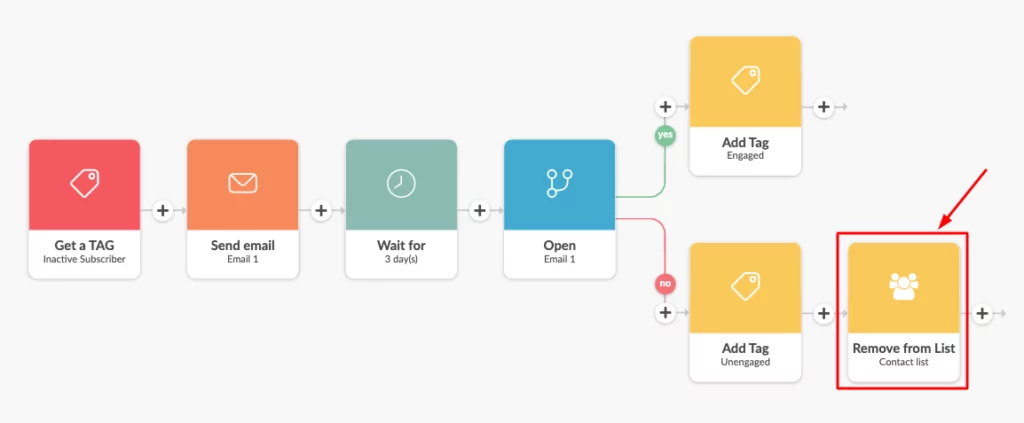
Email marketing is one of the most effective ways to bring visitors back to your website. By creating an email list of customers that actually are interested in your content, you get direct access to their inboxes – one of the most individual digital places. Use free ebooks, templates, or exclusive tips such as lead magnets to encourage sign-up. Once someone is in your list, send them the regular newspapers with your latest content, update or curate resources. Flake your audience based on their interests to give more personal emails promoting open rates and clicks.
10. Analyze Performance and Optimize Continuously

To continuously increase traffic with material marketing, you have to analyze the performance of your content regularly and make data-driven improvements. Use tools such as Google Analytics, Search Console, and Heatmaps, to understand how users interact with your site – where they come from, how long they live, and what they click. Identify which material is performing well and which expectations are not met. Look at the bounce rate, conversion paths and traffic sources to spot patterns for improvement and areas. Perhaps some keywords require adjustment, or perhaps a high -performing post can be extended or updated.
FAQs:
1.What is content marketing and how does it help in running traffic?
Material marketing is a strategic approach focused on creating and distributing valuable, relevant materials to attract and maintain target audiences. By addressing the needs and search questions of users, the material helps to increase the visibility of the website on the marketing search engine and brings more traffic over time.
2. How long does it take to see the result from material marketing?
Material marketing is a long -term strategy. While some pieces can quickly receive traction, most of the material takes 3 to 6 months to rank on the search engine and continuously start generating traffic. Consistency, quality and promotion are important to accelerate the process.
3. How important is SEO in material marketing?
SEO is very important. Without proper adaptation, your content can never reach your intended audience. Using relevant keywords, optimizing titles and metadata, and improving site structure contribute to all high search rankings and more organic traffic.
4. What kind of material attracts the most traffic?
The material that answers normal questions, solves problems, or provides actionable tips, performs the best. Examples include guides, list, case studies, tutorials and long -term blog posts. The material that develops emotion or curiosity also goes viral.
5. Can I marketing content without blog?
Yes, while a blog is a common platform, material marketing can also be executed through YouTube videos, social media posts, podcasts, webinars and newspapers. The key is to provide valuable information through any medium that likes your audience.
6. How can I measure the success of my content marketing efforts?
Track matrix such as website traffic, boom rates, average time on page, keyword ranking, backlinks, social share .