Content Marketing is a strategic process that consists of creating and distributing insights, valuable, relevant, and steady content to attract and increase engagement with the target audience or users. It aims to set up a strong and healthy relationship with the target customers, establish and maintain trust with the customer, and ultimately head toward profitable customer actions, such as by doing a purchase, taking or subscribing to any paid service, or some other profitable action. Here we explore Content marketing tips for beginners.
Steps of Content Marketing
To better understand the steps of content marketing, you choose the right way.
1. Planning of Content:
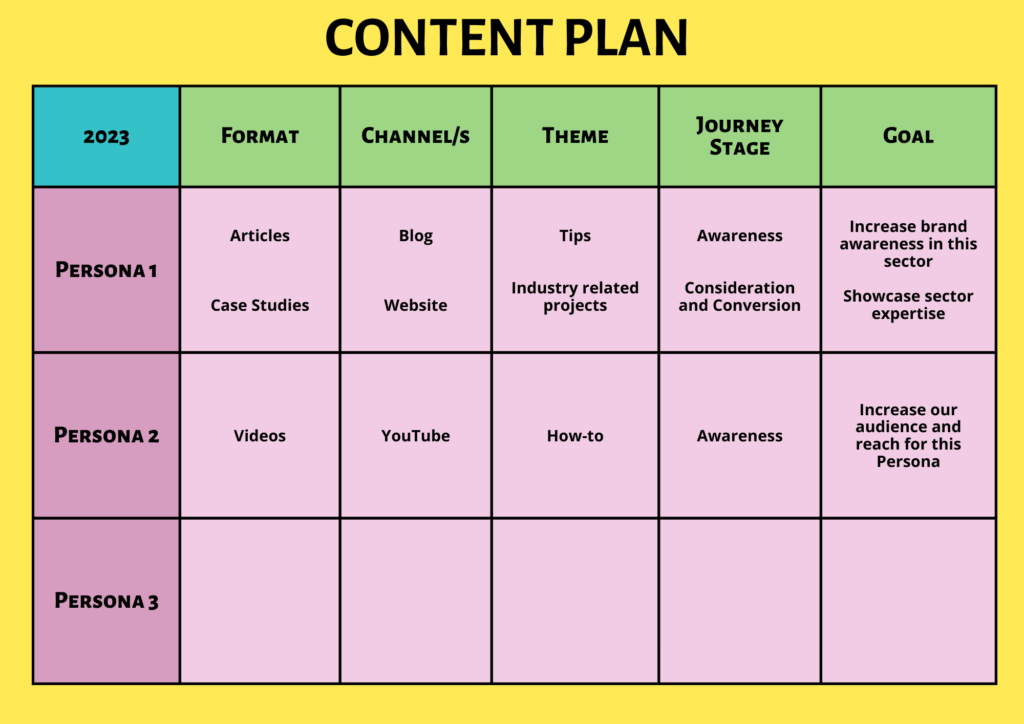
Planning content is the first step in the content marketing process. Content Planning involves in-detail steps that define various objectives, such as the purpose of marketing, the points that need to cover, the type of audience, the schedule for writing and publishing the content type of media that will be used for content marketing, parameters for measuring the success, etc. The first step defines the overall content in detail.
Key points:
- Define the purpose and goals of your content marketing efforts.
- Identify your target audience and their needs.
- Choose content formats and suitable distribution platforms.
- Set a schedule for content creation and publishing.
- Determine key performance indicators (KPIs) to measure success.
- Lay the foundation for consistent and strategic content execution.
2. Content Creation:
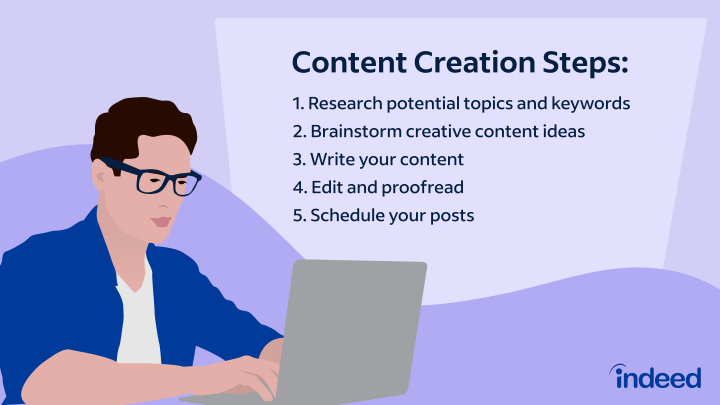
Content creation is the second step after planning. It involves creating informative content that would build interaction with the target audience. So, the main aim is to create relevant and reliable content. Content involves all the required information regarding the product or the parent topic. It is needed to be prepared in such a way that it is easily understood by the target audience.
Key points:
- Develop content that is informative, reliable, and valuable.
- Ensure the content aligns with the audience’s expectations and language.
- Keep the information easy to understand and free from jargon.
- Include all necessary details about your product, service, or topic.
- Focus on creating original, engaging, and well-researched content.
3. Development of Asset:
Once the content is created, the next step is to develop the asset for marketing purposes. So, it involves making videos that include relevant information, techniques, usability, advantages, and experience of users. Graphics, infographics, and animations can also be used for asset development. So, developing a proper asset helps customers to understand the content easily, improve SEO ranking of the company, and build a strong brand image.
Key point
- Transform written content into visual formats like videos, graphics, or infographics.
- Make use of animations and real-user experiences to enhance understanding.
- Create assets that support SEO and improve content visibility.
- Build a strong brand image through quality content presentation.
- Help users retain and comprehend information better with visual aids.
4. Shareability and Marketing:
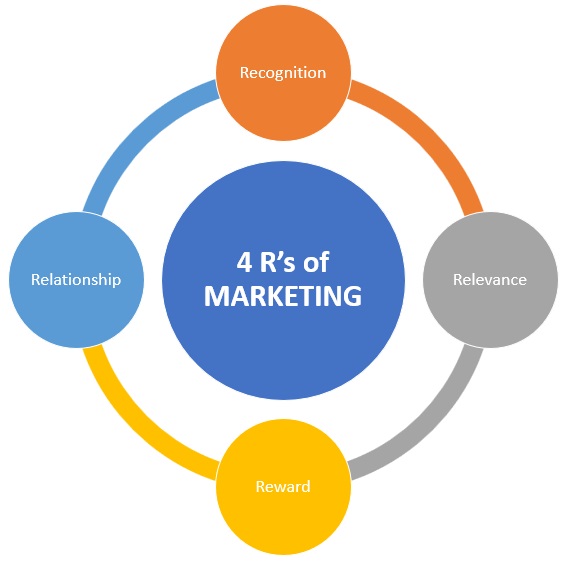
Sharing of content is an important step for successful Content Marketing. Once the content and assets are ready the content prepared is shared among various social media platforms and websites for marketing. It helps in influencing more users and target audiences. So, it is necessary to make sure that all the content that is shared is relevant and authentic.
Key points:
- Share content across various platforms such as social media, websites, and blogs.
- Target the platforms where your audience is most active.
- Ensure all shared content is relevant, authentic, and high quality.
- Encourage shares, likes, comments, and engagement.
- Make use of social sharing tools to amplify reach.
5. Promotion of Content:
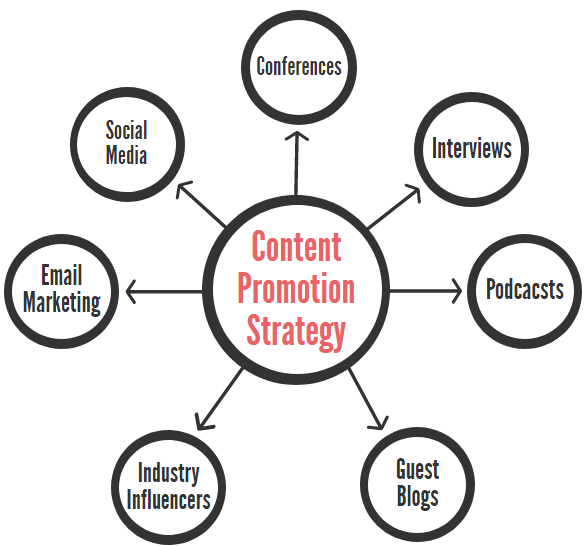
After sharing the content on various platforms, the main step is the promotion of content. So, the content needs to reach the people who need it or those who are looking for it. Sharing the content with friends, bookmarking it, advertising, and personally advertising to the targeted audience can help the business promote the content.
Key points:
- Actively promote content through ads, influencer outreach, and networking.
- Use email marketing, newsletters, and targeted ads to drive traffic.
- Engage directly with your target audience to build a connection.
- Boost visibility through online communities, forums, and paid promotion.
- Focus on getting content in front of those actively searching for it.
6. Repurposing:
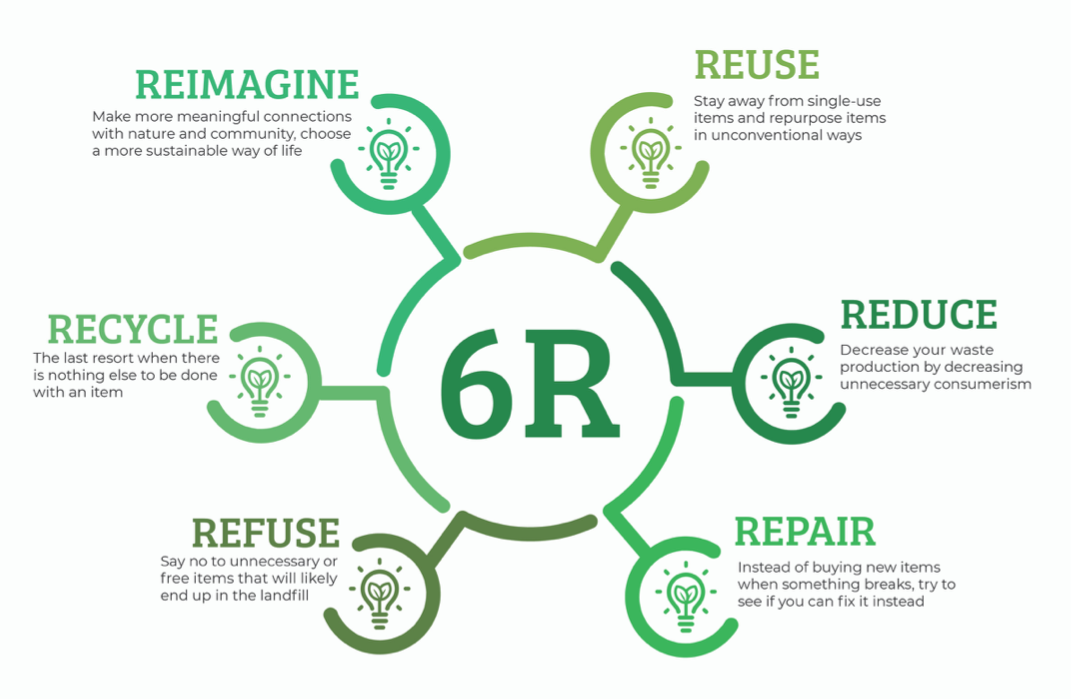
Repurposing is the step where available content is used for promoting the content. The available content can be used for advertising, posting on social media, and email communications. Repurposing helps to save time and money. It helps to reach out to more users and customers. The content is already known therefore the person involved in advertising can perform well.
Key points:
- Reuse existing content by adapting it into different formats (e.g., blogs into videos).
- Extend the lifespan of your content and reach new audiences.
- Use past content for social media posts, podcasts, and
- email campaigns.
- Save time and budget by maximizing content utility.
- Repurposing helps reinforce key messages across platforms.
7. Measuring the Ongoing Performance

Measuring performance is the last step of content marketing and involves analyzing whether the targeted audience is satisfied with the product. So, it is to verify whether the defined progress is achieved or not. There are different ways that can be used to identify the overall performance, such as comments and reviews, number of social media followers, website visitors, email subscribers, traffic on the website, dwell time, bounce rate, etc. So, the performance is verified according to the plan. If not achieved, relevant changes are made in content and marketing strategies.
Key points:
- Track performance metrics such as traffic, bounce rate, and conversions.
- Use feedback like comments, reviews, and shares to gauge effectiveness.
- Analyze data from tools like Google Analytics and social media insights.
- Compare results with the initial goals and objectives.
- Adjust strategy and content based on performance insights to improve results.