Domain Rating (DR) is a metric developed by Ahrefs to measure the strength of a website’s backlink profile on a scale from 0 to 100. A higher DR means a website has more high-quality backlinks, making it more authoritative in the eyes of search engines. It does not directly affect Google rankings, but it helps assess a website’s link-building strength compared to competitors. Here we discuss 7 Proven Ways to Increase Your Domain Authority in 2025.
Is Domain Rating a Ranking Factor?
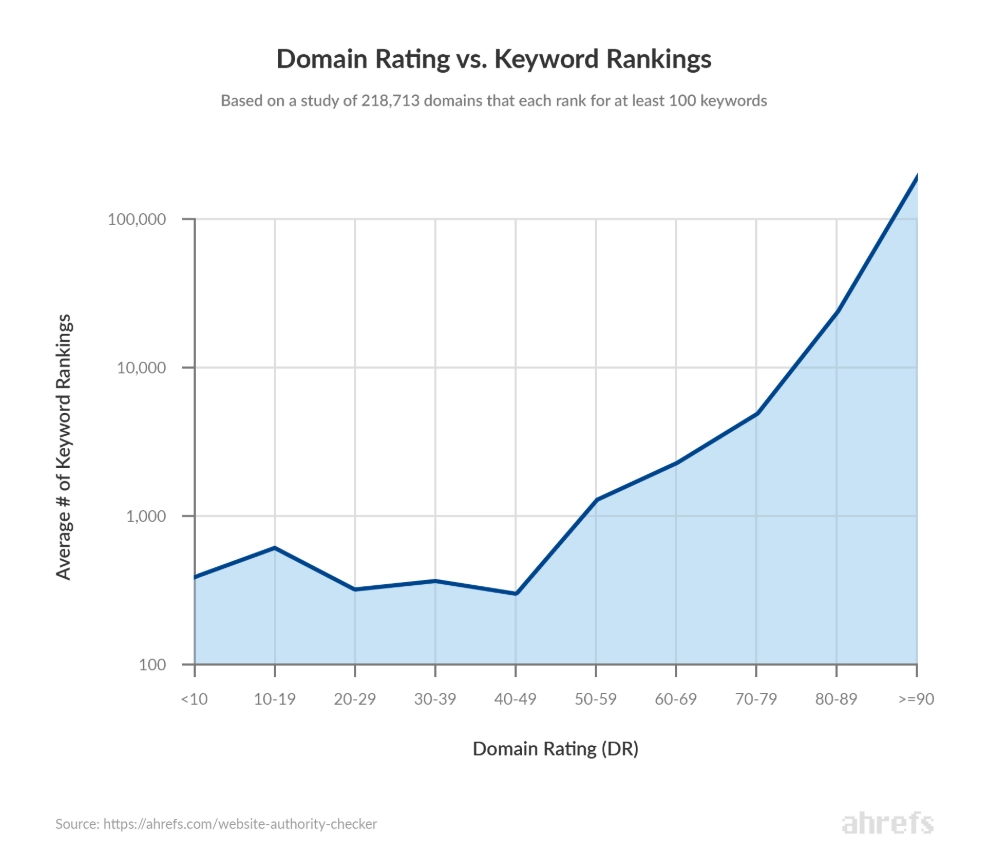
No, Domain Rating (DR) is not a Google ranking factor. Ahrefs metric that indicates the health of a website’s backlink profile. DR is not utilized by Google in its algorithm, but the higher DR will generally equate to a healthier backlink profile, which can have a positive impact on rankings. Search engines prefer good quality, relevant backlinks and higher DR pages and are more authoritative and trustworthy. Thus, while DR itself does not impact rankings, what drives DR to be higher—like good quality backlinks—does impact SEO success.
How Ahrefs Calculates Domain Rating
Ahrefs, the creator of Domain Rating (DR), runs one of the most advanced backlink databases on the web. Its web crawler is second only to Google, actively scanning billions of web pages to evaluate website authority. With this massive dataset, Ahrefs maintains one of the most accurate and dynamic link analysis systems in the SEO industry.
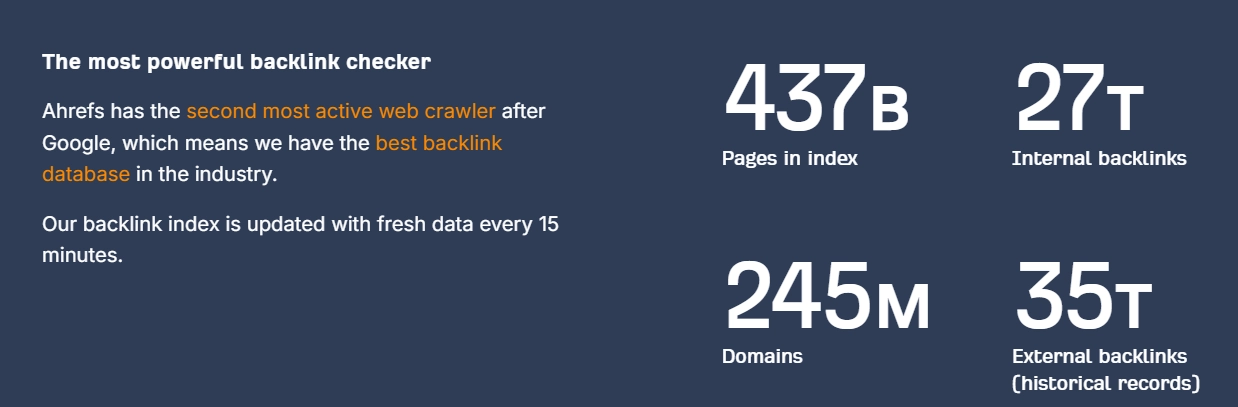
Here’s how the calculation works:
- Counts Unique Referring Domains – The number of websites linking to yours matters more than total backlinks.
- Evaluate Link Strength – Links from high-DR websites pass more authority than links from weaker domains.
- Considers Do Follow Links – Only Do Follow backlinks influence DR, while No Follow links are ignored.
- Distributes Link Authority – The more outbound links a site has, the less DR it passes to each linked website.
- Uses a Logarithmic Scale – Climbing from DR 10 to 20 is easier than DR 70 to 80—higher scores require stronger links.
How to Increase Domain Rating: Proven Strategies
Improving Domain Rating (DR) requires quality over quantity—it’s not just about getting more backlinks but about securing the right backlinks. Below are proven strategies to boost your DR effectively.
1. Get High-Quality Backlinks from Authority Sites
Building backlinks from reputable sources is one of the most effective ways to improve your Domain Rating. High-DR websites pass more authority, making them crucial for strengthening your backlink profile. Below are proven methods to acquire quality backlinks:
A. Guest Posting on High-DR Websites
Guest blogging on quality blogs that are in your niche allows you to acquire quality backlinks alongside building industry credibility. Focus on developing quality, well-researched content naturally with links to your site.
B. Broken Link Building
Websites frequently have broken links pointing to outdated or removed pages. Find these broken links on high-DR sites and offer your relevant content as a replacement. This helps website owners fix their content while earning you a quality backlink.
C. Unlinked Brand Mentions
Many sites mention brands without linking to their official website. Using backlink monitoring tools, track unlinked mentions of your brand and request website owners to add a backlink, turning existing mentions into valuable links.
D. Competitor Backlink Analysis
Checking your competition’s backlink profiles with the likes of Ahrefs Site Explorer can indicate where they’re getting their backlinks. You can replicate their tactics, find outreach opportunities and target similar high-authority sources.

2. Focus on Link Relevancy & Diversity
Building backlinks isn’t just about acquiring links from high-DR websites. The relevance of those links and the diversity of your backlink profile plays a crucial role in increasing Domain Rating and maintaining a natural link profile.
How to Maintain a Balanced Backlink Profile
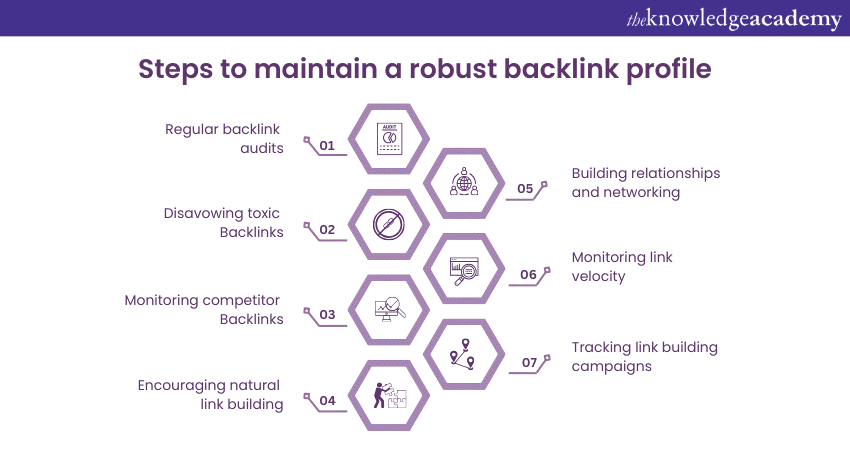
A healthy backlink profile is not about quantity; it’s about diversity with a mix of different types of links that look natural to search engines. The secret to keeping a balance is as follows:
- Mixing Do Follow & No Follow Links: Search engines expect a natural ratio of Do Follow and No Follow links. Do Follow links pass link equity and boost rankings, while No Follow links add diversity and credibility. A completely Do Follow backlink profile can appear unnatural and may raise red flags with search engines.
- Editorial Links vs. Directory Links: Editorial backlinks—links naturally placed within high-quality content—carry more value than directory links, which are often lower in authority. While directories can be useful for local SEO, they shouldn’t be the foundation of your backlink strategy.
- Contextual Backlinks vs. Footer/Sidebar Links: Links embedded within relevant content (contextual backlinks) hold far more SEO weight than those placed in website footers or sidebars. Contextual links appear naturally within the content flow, making them more trustworthy and valuable.
A contextual and well-balanced backlink profile guarantees consistent domain authority development without causing spam signals. With an eye on diversity and relevancy, you establish a link-building approach that lasts.
3 Improve Internal Linking Strategy
Internal links help distribute Domain Ratings across your website, ensuring that authority flows beyond just a few pages. While external backlinks build authority, internal links strengthen site structure and improve SEO. When high-authority pages link to other pages, they pass SEO value (“link juice “), signaling search engines about their importance. This helps rank less linked but valuable pages, making internal linking a key strategy for balanced authority distribution.
Best Practices for Internal Linking
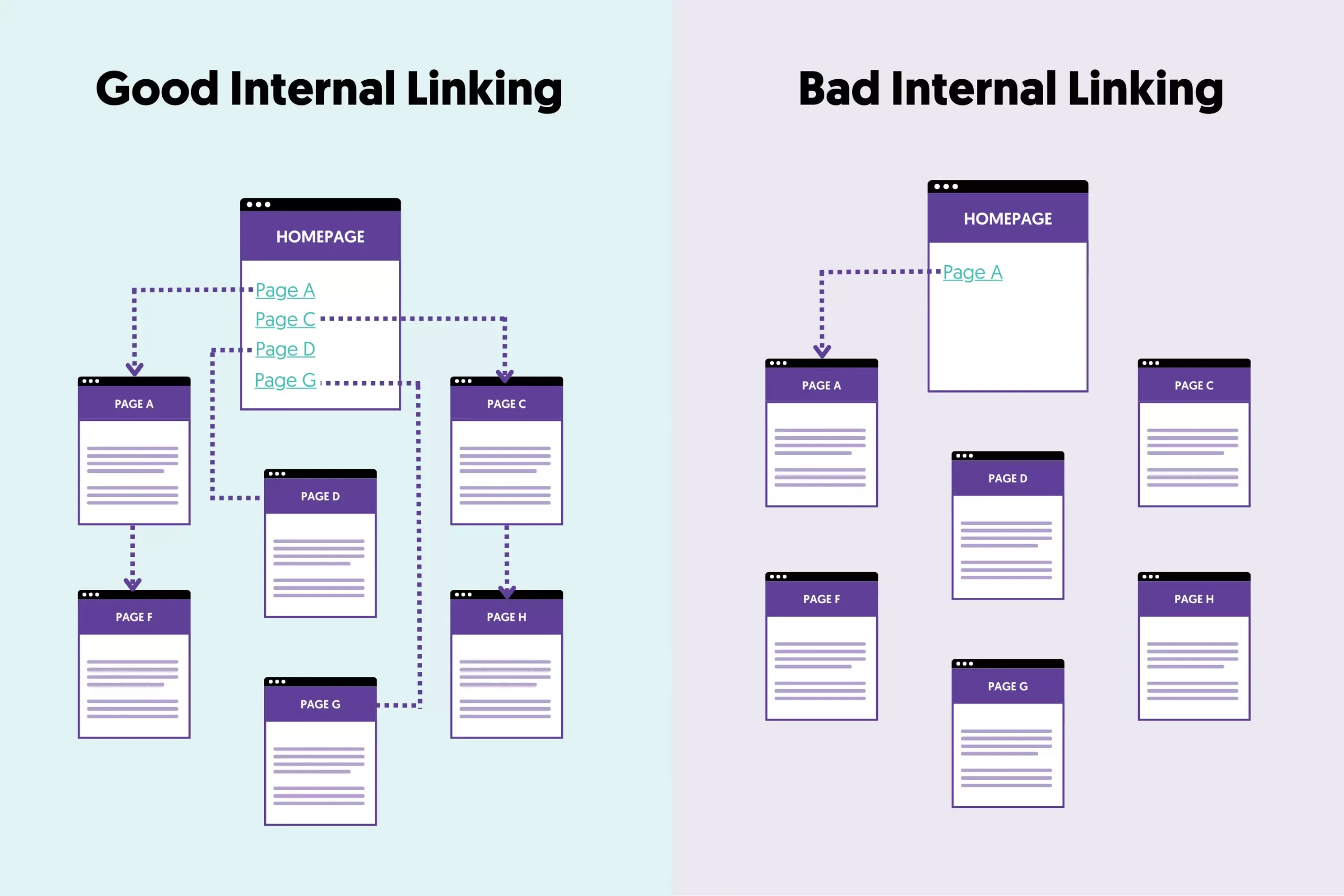
Here are some keyways to structure internal links effectively:
- Boost Lower-DR Pages – Identify pages with the highest DR and use them to boost the authority of lower-ranked pages. This helps search engines recognize them as valuable and improves their rankings.
- Use Keyword-Rich Anchor Text- Instead of generic terms like “click here,” use relevant keywords that clearly indicate what the linked page is about. This improves SEO and enhances user navigation.
- Fix Orphan Pages- Pages without internal links are harder for search engines to find and index. Ensure every important page is linked from at least one other relevant page.
- Create Topic Clusters & Pillar Pages- Group related content into clusters by linking supporting pages to a central “pillar” page. This strengthens topical authority and improves site navigation.
A strong internal linking strategy ensures that all your important pages receive authority, improving rankings and user experience.
- Related post: What is long tail keywords
- Related post: What Is Off-Page SEO?
- Related post: What Is Alt Text? Examples & Best Practices
- Other post: How Many Pages Does a Website Need?
- Other post: What Is an Internal Linking
- Other post: What is the Google Algorithm Update