Website speed plays a crucial role in search engine optimization (SEO) as it directly impacts user experience, search rankings, and overall website performance. In today’s fast-paced digital world, users expect websites to load instantly, and any delay can result in a higher bounce rate and lower engagement. Google has made it clear that page speed is a ranking factor, meaning that slower websites may struggle to achieve higher search engine rankings. Understanding the importance of website speed and how it affects SEO can help businesses enhance their online presence and improve their website’s effectiveness. Here we discuss Why Website Speed is Crucial for SEO and How to Optimize It.
How Website Speed Impacts User Experience

Website speed directly influences user experience, making it one of the most critical factors in SEO. A fast-loading website ensures that users can access content quickly, navigate smoothly, and engage with the site without frustration. Studies show that even a one-second delay in loading time can lead to a significant drop in user satisfaction and conversions. Slow websites often lead to higher bounce rates, as visitors are unlikely to wait for a sluggish page to load when they can find similar information elsewhere. Optimizing speed enhances user experience, leading to increased retention, engagement, and a positive perception of the brand.
Key Points:
- Fast websites improve user satisfaction.
- Slow websites increase frustration and abandonment.
- Loading speed affects navigation and engagement.
- A one-second delay reduces conversions significantly.
- Optimized speed leads to higher retention rates.
Google’s Emphasis on Page Speed as a Ranking Factor

Google continuously updates its algorithms to prioritize user experience, and page speed is a critical component. Since 2010, Google has officially recognized website speed as a ranking factor, and with the introduction of Core Web Vitals, it has become even more important. Google evaluates loading performance, interactivity, and visual stability when determining rankings.
Websites that fail to meet these standards may see a decline in search visibility. Faster websites have an advantage in search engine results pages (SERPs), leading to more organic traffic and better overall performance.
Key Points:
- Google prioritizes fast-loading websites in search rankings.
- Page speed has been a ranking factor since 2010.
- Core Web Vitals measure website performance.
- Websites failing speed standards may lose visibility.
- Fast websites gain an advantage in SERPs.
The Impact of Slow Websites on Bounce Rate and Conversions
A slow website not only affects rankings but also has a direct impact on bounce rates and conversions. Bounce rate refers to the percentage of visitors who leave a website without interacting further, and slow loading times contribute significantly to this issue. Research suggests that a website taking more than three seconds to load can lose up to 40% of its visitors. Moreover, slow speed leads to lower conversion rates, as users abandon carts and forms due to frustration. Businesses must focus on optimizing their website speed to ensure a seamless experience that encourages engagement and conversions.
Key Points:
- Slow websites increase bounce rates.
- Users abandon sites that take too long to load.
- Conversion rates drop with slow performance.
- Delayed loading affects online sales.
- Speed optimization leads to higher revenue.
Mobile Speed Optimization for Better SEO Performance

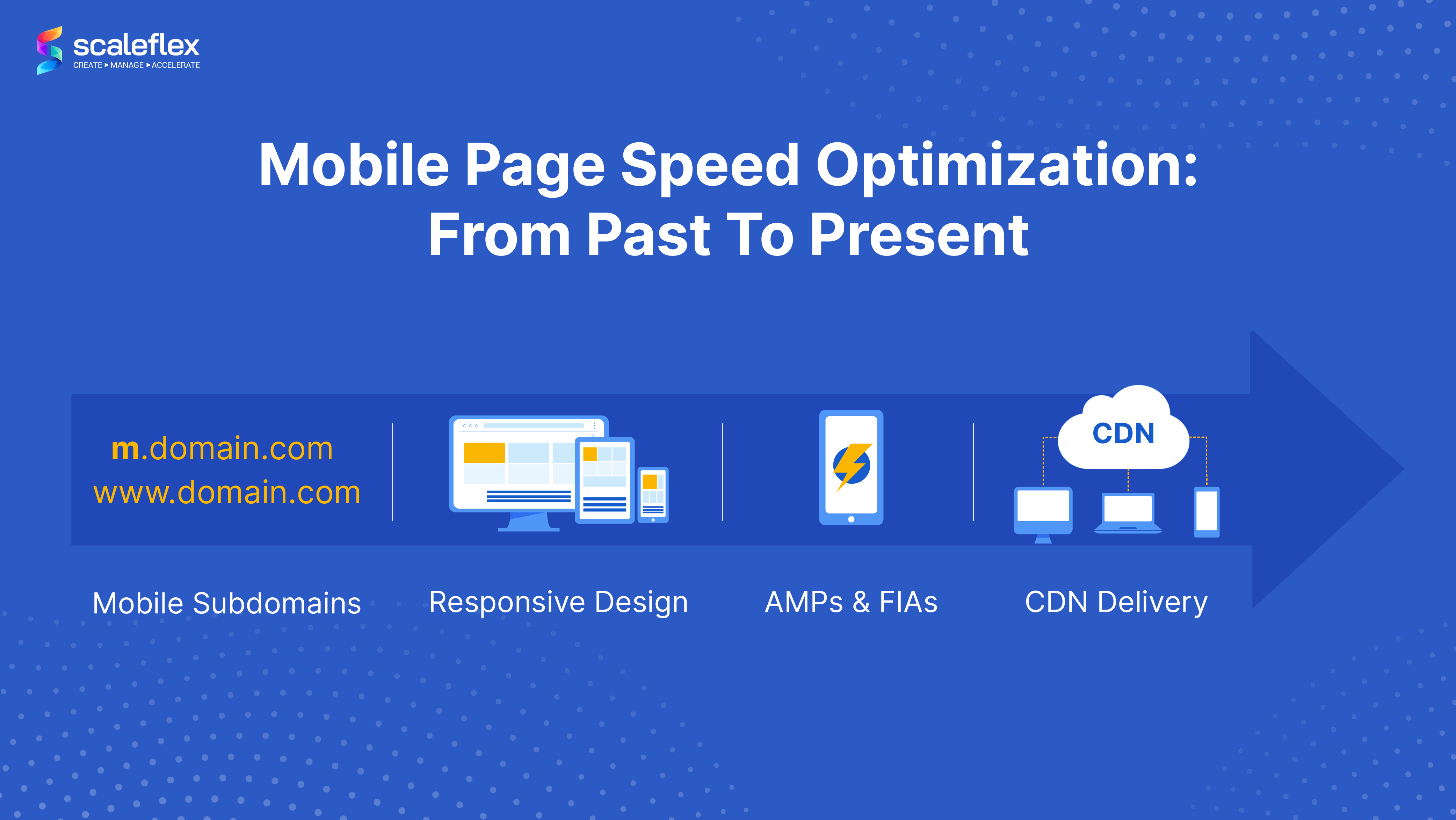
With the rise of mobile browsing, website speed on mobile devices has become even more important for SEO. Google’s mobile-first indexing means that the mobile version of a site is prioritized for ranking purposes. A slow mobile site can negatively impact SEO and user engagement, as mobile users expect instant access to information. Implementing techniques such as responsive design, accelerated mobile pages (AMP), and minimizing unnecessary scripts can significantly improve mobile speed. Ensuring a fast mobile experience helps websites rank higher, retain users, and increase conversions.
Key Points:
- Mobile-first indexing prioritizes mobile speed.
- Slow mobile sites lead to ranking penalties.
- Responsive design enhances mobile performance.
- Accelerated Mobile Pages (AMP) improve speed.
- Optimized mobile speed increases engagement.
Optimizing Images for Faster Load Time

Large and unoptimized images are one of the primary reasons for slow website speed.
High-resolution images, though visually appealing, can significantly slow down a site. Optimizing images by compressing them, using the correct file format (such as WebP instead of PNG or JPEG), and implementing lazy loading techniques can enhance website performance. Image optimization reduces file sizes while maintaining quality, resulting in faster loading times and improved SEO. Utilizing image optimization plugins and content delivery networks (CDNs) can further boost website speed and efficiency.
Key Points:
- Large images slow down website speed.
- Compressing images reduces load time.
- Using the correct file format improves performance.
- Lazy loading defers image loading for efficiency.
- Image optimization tools enhance speed.
Reducing Server Response Time and Improving Hosting
Server response time plays a significant role in website speed, and a slow server can negatively impact SEO. Choosing a reliable hosting provider with high-performance servers, optimized caching mechanisms, and adequate bandwidth is essential. Additionally, reducing the number of HTTP requests, enabling compression, and optimizing database queries can further enhance server performance. Websites hosted on dedicated or cloud-based servers generally perform better than those on shared hosting. Ensuring an optimized server environment leads to improved loading speeds and a better user experience.
Key Points:
- A slow server affects website performance.
- Choosing reliable hosting improves speed.
- Caching mechanisms enhance performance.
- Optimized database queries reduce delays.
- Cloud hosting offers better scalability.
Minimizing HTTP Requests and Enabling Browser Caching
Each time a user visits a website, their browser makes multiple HTTP requests to fetch various resources such as images, scripts, and stylesheets. Reducing the number of HTTP requests by combining CSS and JavaScript files, removing unnecessary plugins, and using asynchronous loading can enhance website speed. Additionally, enabling browser caching allows returning
visitors to load pages faster by storing frequently accessed data locally. These techniques significantly improve page speed, enhance user experience, and boost SEO rankings.
Key Points:
- Fewer HTTP requests speed up loading.
- Combining CSS and JavaScript reduces requests.
- Removing unnecessary plugins optimizes speed.
- Browser caching stores frequently used data.
- Faster page loads improve user experience.
Utilizing Content Delivery Networks (CDNs) for Speed Enhancement
A content delivery network (CDN) is a network of servers distributed across multiple locations that help deliver content more efficiently. By caching website data and serving it from the nearest server to the user, CDNs reduce load times and minimize latency. Websites using CDNs experience faster performance, especially for global audiences. CDNs are highly effective for websites with heavy media content, reducing bandwidth consumption and improving loading speeds. Implementing a CDN can lead to a significant boost in website speed and SEO performance.
Key Points:
- CDNs distribute website content globally.
- Cached data reduces server load.
- Faster delivery improves user experience.
- CDNs enhance security and performance.
- Ideal for websites with global audiences.
Why does website speed affect SEO?
Website speed is a critical ranking factor in Google’s algorithm. Faster websites offer better user experiences, lower bounce rates, and higher engagement, which positively impacts SEO rankings.
2. How does slow website speed impact user experience?
Slow-loading websites frustrate users, increase bounce rates, and reduce page views—negatively affecting your SEO performance and conversion rates.
3. What is a good website loading speed for SEO?
Ideally, your website should load in under 3 seconds. Google prefers faster sites, and loading speeds between 1–2 seconds are considered excellent for SEO.
4. How can I check my website speed?
Use tools like Google PageSpeed Insights, GTmetrix, or Pingdom to measure your website’s loading time and identify areas that need improvement.
5. What are the best ways to speed up a website?
Optimize images, enable browser caching, use a Content Delivery Network (CDN), minify CSS/JavaScript files, and choose reliable hosting to significantly improve speed.
6. Does mobile speed affect SEO rankings?
Yes, mobile speed is a major ranking factor, especially after Google’s mobile-first indexing. A slow mobile site can harm your search visibility.
7. How often should I monitor my website speed?
It’s recommended to check your site speed monthly and after any major changes or updates to ensure optimal performance and continued SEO success.