In today’s digital landscape, a brand’s online presence is as crucial as its physical reputation. When potential customers, investors, or partners search for a business online, the first page of search results—commonly known as the Brand SERP (Search Engine Results Page)—becomes their first impression. Brand SERP optimization is about controlling and enhancing what appears in search results when someone searches for your brand name. It goes beyond just ranking high; it involves managing all elements such as website links, social media profiles, customer reviews, knowledge panels, and even images. This guide explores Why does brand SERP optimization matter and how businesses can strategically improve their search visibility to attract and retain their audience.
Enhancing First Impressions and Brand Credibility

The first impression of a business often comes from its online search results. When a potential customer searches for your brand, they should see a well-structured, informative, and authoritative SERP. A cluttered, irrelevant, or negative first page can lead to distrust and lost opportunities.
A clean and optimized Brand SERP reassures users that your brand is professional and trustworthy. Positive elements such as high-ranking website links, a knowledge panel, and active social media profiles indicate credibility. Additionally, featuring customer reviews, media mentions, and FAQs on the first page can further establish your authority in the industry. A well-managed Brand SERP creates a strong foundation for building lasting customer relationships.
Controlling Brand Narrative and Reputation


Search engine results can make or break a brand’s reputation. If negative news articles, poor reviews, or misleading information appear on your Brand SERP, they can quickly tarnish your image. This is why reputation management through Brand SERP optimization is crucial.
By optimizing high-quality content, businesses can push down negative search results and promote positive narratives. Creating engaging blog posts, press releases, and video content helps control the messaging surrounding your brand. Additionally, monitoring search trends and addressing concerns proactively ensures that the information available to users aligns with your brand values and mission.
Increasing Click-Through Rates (CTR) and Website Traffic
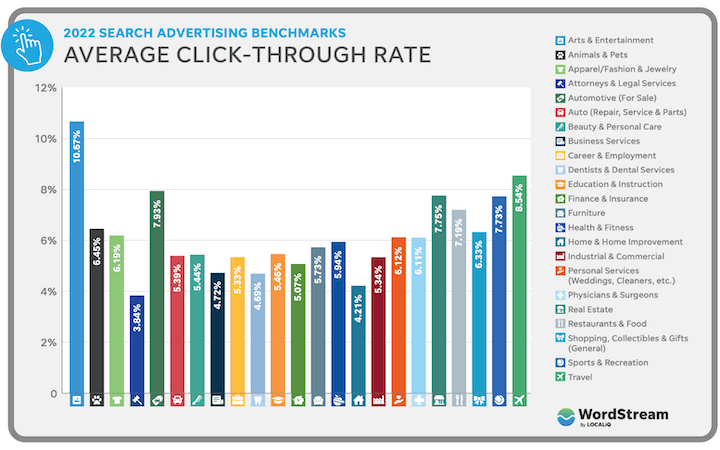
An optimized Brand SERP is not just about visibility—it’s about engagement. When users see relevant and appealing search results, they are more likely to click on your website and explore your offerings.
One key strategy to improve CTR is structured data implementation, which enhances search snippets with additional information like star ratings, business hours, and frequently asked questions. Rich snippets make your listing more appealing, increasing the likelihood of users clicking on your link instead of a competitor’s. Furthermore, appearing in Google’s People Also Ask (PAA) section and featured snippets can drive even more organic traffic to your site.
Strengthening SEO and Digital Authority
SEO is the backbone of online visibility, and Brand SERP optimization is a fundamental part of a strong SEO strategy. Search engines favor brands that consistently publish high-quality, relevant content and maintain a positive online reputation.
By improving on-site SEO, link-building strategies, and content marketing efforts, brands can enhance their digital authority. Google rewards businesses that provide valuable content across multiple platforms, reinforcing their position as industry leaders. The more authoritative your brand appears in search results, the higher your chances of ranking well for broader
industry-related keywords.
Leveraging Google Knowledge Panels and Featured Snippets
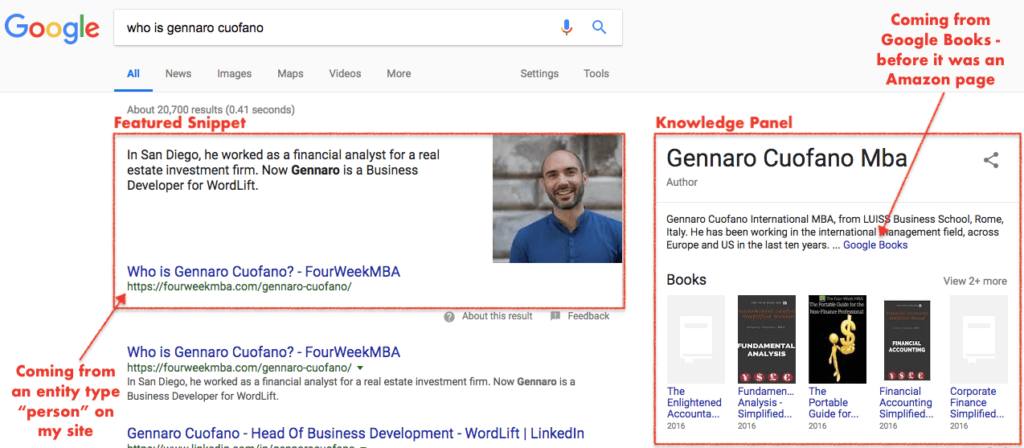
One of the most valuable aspects of Brand SERP optimization is the ability to appear in Google’s Knowledge Panel and featured snippets. These elements provide users with quick, informative insights about your business, further establishing credibility.
Knowledge Panels often display brand details, logos, social media links, and even leadership information, making them a powerful tool for enhancing brand recognition. Featured snippets, on the other hand, place your content at the top of search results, increasing visibility and engagement. Businesses that focus on structured data and accurate brand representation increase their chances of securing these coveted search features.
Improving Brand Recognition Across Digital Platforms
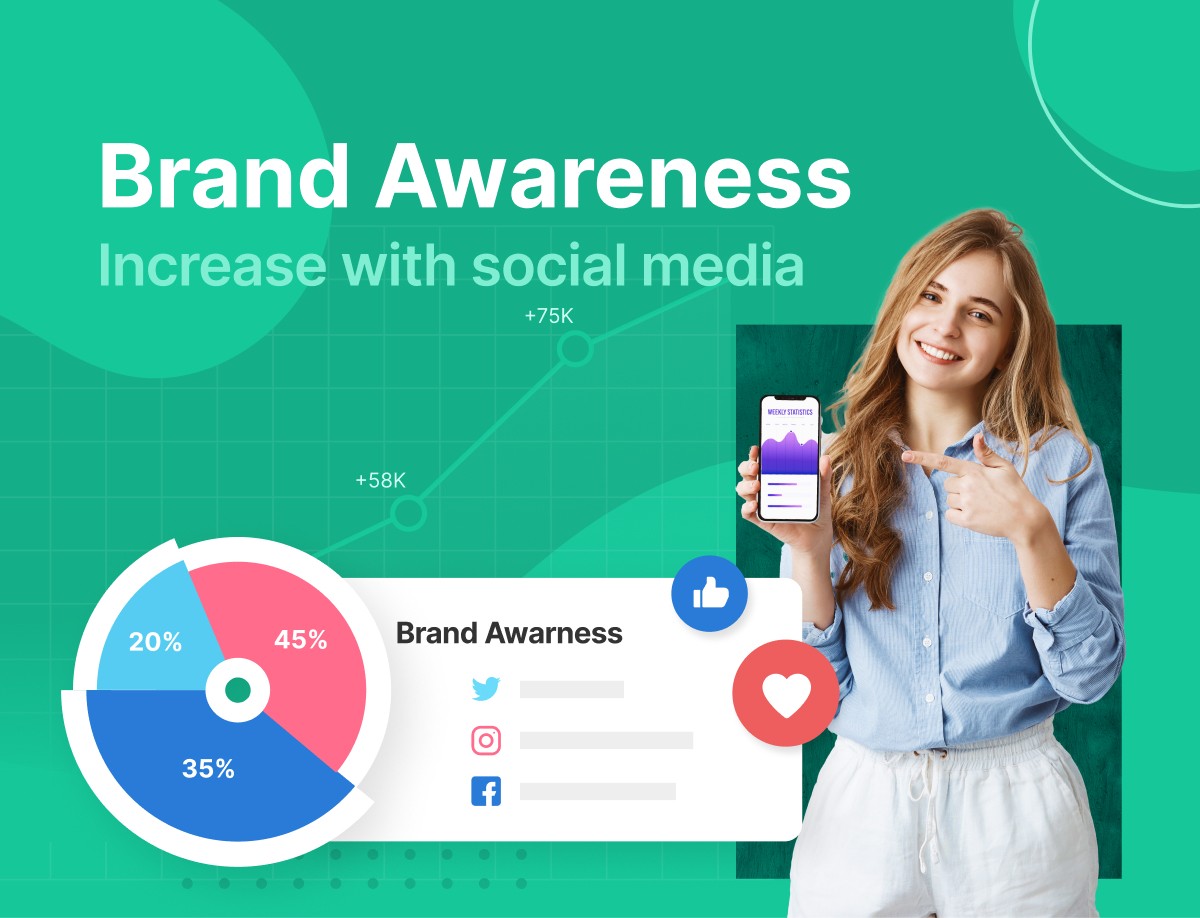
Brand SERP optimization ensures that users recognize and remember your business. A consistent brand image across search results, social media profiles, and business directories strengthens recognition and trust.
When users repeatedly see your brand name in a well-structured format, they associate it with professionalism and reliability. High-ranking social media accounts, press releases, and
well-optimized website links reinforce your brand identity. Additionally, businesses that appear in Google News and industry-specific publications establish themselves as thought leaders in their niche.
Managing Customer Perception Through Reviews and Ratings
Online reviews play a critical role in shaping customer perception. A Brand SERP filled with negative reviews can deter potential customers, while a positive rating can encourage trust and conversions.
Actively managing and responding to reviews on platforms like Google My Business, Trustpilot, and Yelp can improve your brand’s online reputation. Encouraging satisfied customers to leave feedback helps balance out any negative reviews. Additionally, integrating review snippets into search results through schema markup provides potential customers with immediate social proof of your brand’s reliability.
Preventing Brand Confusion and Impersonation
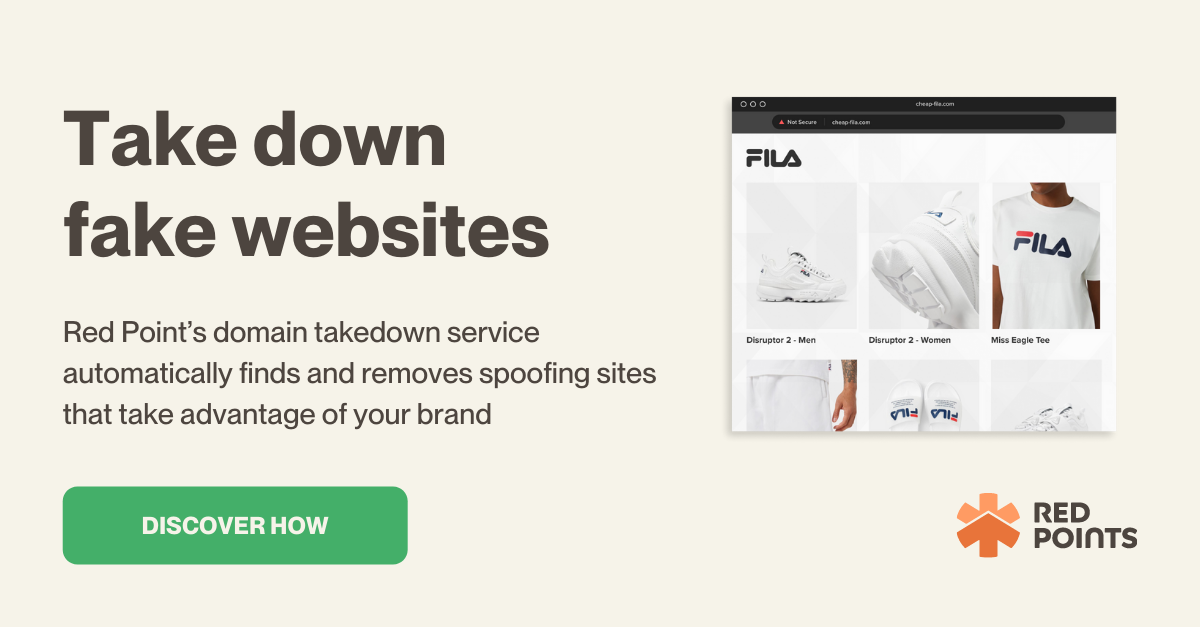
A poorly optimized Brand SERP can lead to confusion, especially if multiple businesses share similar names. Worse, brand impersonators or fraudulent websites can take advantage of weak SERP management to mislead customers.
Securing domain variations, verifying social media profiles, and optimizing knowledge panels help prevent brand confusion. Regularly monitoring search results for any misleading or fraudulent listings ensures that your audience finds the correct information. Trademarking your brand name and reporting impersonation attempts to Google can further protect your digital identity.
Enhancing Local SEO for Business Visibility
For businesses with a physical presence, optimizing local search results is crucial. A strong local Brand SERP ensures that potential customers can easily find your location, business hours, and contact information.
Google My Business (GMB) optimization plays a key role in local SEO success. Ensuring that your GMB profile is complete, up-to-date, and features positive customer reviews enhances your visibility in Google’s Local Pack. Additionally, appearing in location-based searches increases foot traffic and potential sales.
Staying Competitive in the Evolving Digital Landscape
The digital world is constantly changing, and search engine algorithms evolve regularly. Brands that fail to adapt risk losing their online presence and credibility.
Continuous monitoring and updating of Brand SERP strategies are essential to staying ahead of competitors. Businesses must keep up with SEO trends, invest in high-quality content, and actively manage their online reputation. A well-optimized Brand SERP not only ensures
short-term success but also secures long-term digital growth.