In an attempt to pump the search engine rankings of a website. There are many SEOs and website owners have made the mistake of adding harmful spam links. A spam link is any backlink created solely to inflate page rankings without regard for user experience or for the context in which it appears. Whether created knowingly or unknowingly, spam links can do serious damage to your rankings. In this article, we’ll go over What Are Spam Links Are They Hurting Your SEO?
What Are Spam Links?
While there are tons of ways to create a spam link, they all have one thing in common. They aim to deceive Google’s algorithm into thinking a page or website. It is more authoritative or widely shared than it is so that it will appear higher in the search engine results pages (SERPs). Backlinks are a very important component of SEO since they provide an indication to Google’s web crawlers. That is why the website being linked to contains valuable, interesting information. For example, if someone chose to link to your product page instead of any number of other similar product pages they could have chosen, this tells Google your product must be relevant.
Types Of Spam Links

The first kind of widely used spam links took place on website guestbooks in the 90s and early ’00s. Since many websites had guestbooks where visitors could leave comments, the enterprising black-hat SEOs. The 90s figured they could fill these guestbooks with links back to their websites. Of course, the websites that practiced this kind of spam comment posting suffered huge rankings drops or even de-indexing by Google.
Paid link spam
This may be a tricky example to start with because the internet is clearly full of many paid links. It’s not always easy to detect them. If a paid link fits in well with the theme and content of a website. It provides value and an improved user experience and appears natura. It may not harm your rankings. However, most paid links are awkwardly jammed into content where it doesn’t specially make sense. The clear purpose of building a link where one would never naturally exist. This type of paid link spam should always be avoided.
Spammy link exchanges
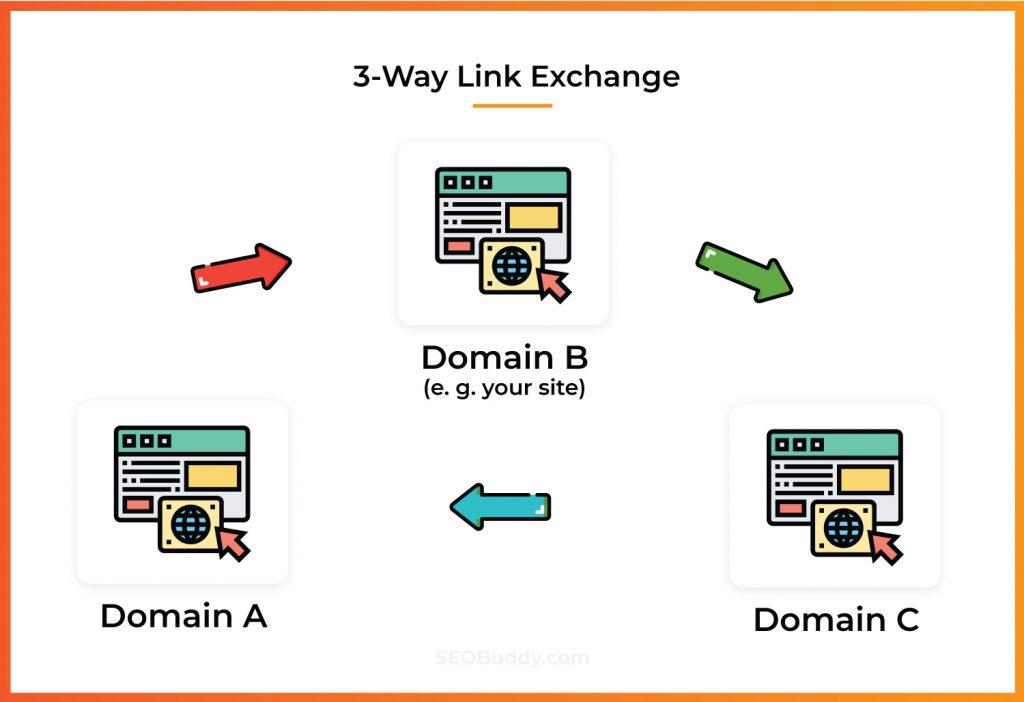
The “I’ll scratch your back if you scratch mine school of link building is best avoided. Link exchanges are considered fraudulent by Google. These entail two or more parties agreeing to link to one another for mutual SEO benefit. They’re the product of an agreement; the links are considered unnatural. There is, however, some gray area here. Websites often link to each other, sometimes without even knowing it. It’s not surprising that websites in the same niche should occasionally link to each other resulting in reciprocal links.
Bait and switch links
A bait and switch link purports to link to one thing but actually takes the user to something else. This is a no-no both from an SEO perspective and from a user experience perspective. It’s deceptive unlikely to build any goodwill with prospective. Its customers and is a good way to get a hit to your rankings from Google.
Link wheels
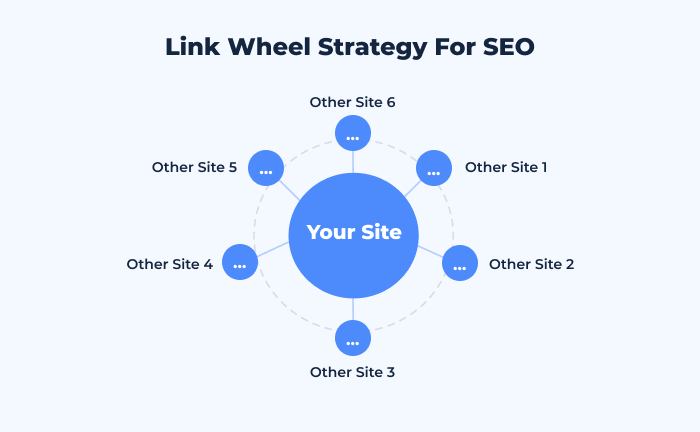
Link wheels are when a chain of pages link to each other in order to pass link juice to all of them. Page A links to page B, page B links to page C, page C links to page D, and D links back to page A. We don’t have to tell you what happens next. Google’s clever algorithm identifies the fraudulent link scheme, and all participating pages suffer lower rankings as a result.
Hidden links
Hidden links are intended to be hidden from regular website visitors, but visible to Google’s algorithm. For example, the link text may be colored the same as the background, or a link may be hidden under an image.
Link farms

Link farms are websites that exist solely to sell links. The content is likely of low quality, all over the place thematically, and filled with awkward links that nobody is going to read, let alone click through. Google’s algorithm favors quality over quantity, and no amount of low-quality link farm links will help your rankings. On the contrary, they’ll damage your reputation.
Bad directories

Listing your website on high-quality directories is awesome for SEO, especially local SEO. However, for every quality directory, there are probably 10 bad ones. Any directories you list your business on should have a good reputation and be widely used by real consumers to be worth listing on. Yelp is a good example.
Too many no follow links
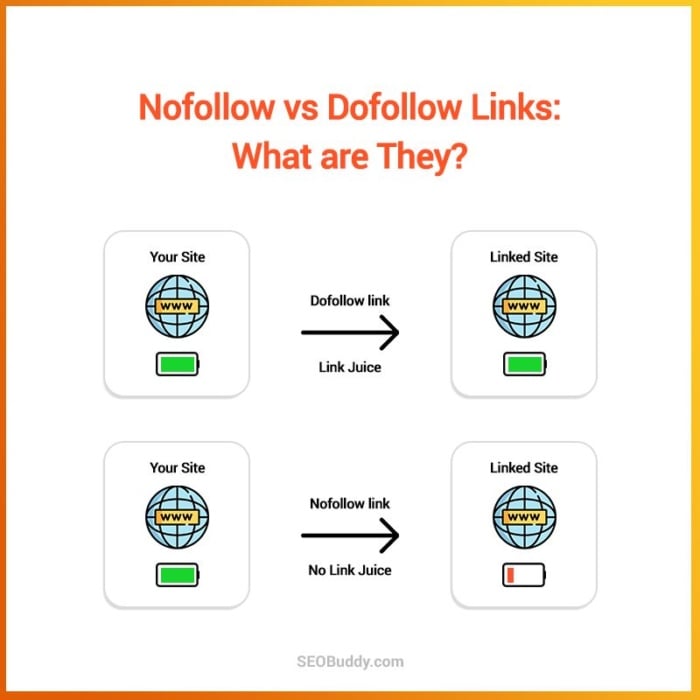
Here’s a surprising one: a page with tons of no follow links can actually be a red flag to Google. Yes, we did say that the no follow and sponsored tags should be used whenever a link is paid for, but some shady sites that sell links have tried to throw Google off the scent by adding these tags to a large number of their links. This can actually tip Google’s bots off to the fact the rest of the links are all fraudulent as well. We haven’t covered every single possible type of spam link here because there are tons of ways people can try to trick the algorithm, but by now, you should have a pretty solid idea of what constitutes a spam link.
Best Practices for Avoiding Spam Links
After clearing up your spam links, there are things you can do to avoid having them mess up your SEO efforts again in the future. Here are the best ways to avoid spam links.
- Avoid unnatural anchor text: A key thing to remember when it comes to backlinks is that how they appear to Google’s bots matters. They should always appear natural. Even a natural link could raise suspicions if the link text is irrelevant or out of context.
- Guest blog on quality sites: – guest blogs are a popular way of getting more backlinks to your site, but avoid doing it on very low-DA, disreputable sites with low numbers of visitors. Even if it’s not technically paid, it can still look spammy.
- Use press releases widely: – another double-edged sword in SEO world, press releases can have phenomenal results when sent to the right publications, but can be damaging if sent to press release syndicators that just repost any old press release.
- Be cautious with directories: – we already mentioned the importance of sticking to reputable directories. Another thing to keep in mind is that your listings should be accurate and consistent across directories to avoid an SEO hit.
- Ensure correct tags are in place: – any explicitly paid or sponsored links should have the appropriate no follow attribute. The same goes for paid links on your website.