
Backlinks, also known as inbound or incoming links, are links from one website to another. They play a significant role in search engine optimization (SEO) as they serve as a vote of confidence from one site to another. Search engines, such as Google, consider backlinks as indicators of a website’s credibility, relevance, and authority. When a website receives numerous high-quality backlinks from authoritative sources, its domain authority increases, improving its ranking on search engine results pages (SERPs). Understanding the importance of backlinks and how they contribute to SEO is crucial for any digital marketing strategy. Here we discuss What are backlinks and why they improve domine authority
Types of Backlinks and Their Impact on SEO

Not all backlinks hold the same value in SEO. There are different types of backlinks, each with its own significance. Dofollow backlinks pass link equity (SEO value) from the referring site to the linked site, boosting its authority. Nofollow backlinks, on the other hand, do not pass SEO value but can still drive traffic. Editorial backlinks, guest post backlinks, and forum backlinks also contribute to a site’s SEO differently. Earning high-quality backlinks from reputable sources strengthens a website’s credibility and enhances its online visibility.
Key Points:
- Dofollow backlinks pass SEO value and improve rankings.
Nofollow backlinks do not pass SEO value but still drive traffic.
Editorial backlinks from reputable sources are highly valuable.
Guest post backlinks help in brand exposure and authority.
Forum and comment backlinks can contribute to traffic and engagement.
How Search Engines Evaluate Backlinks
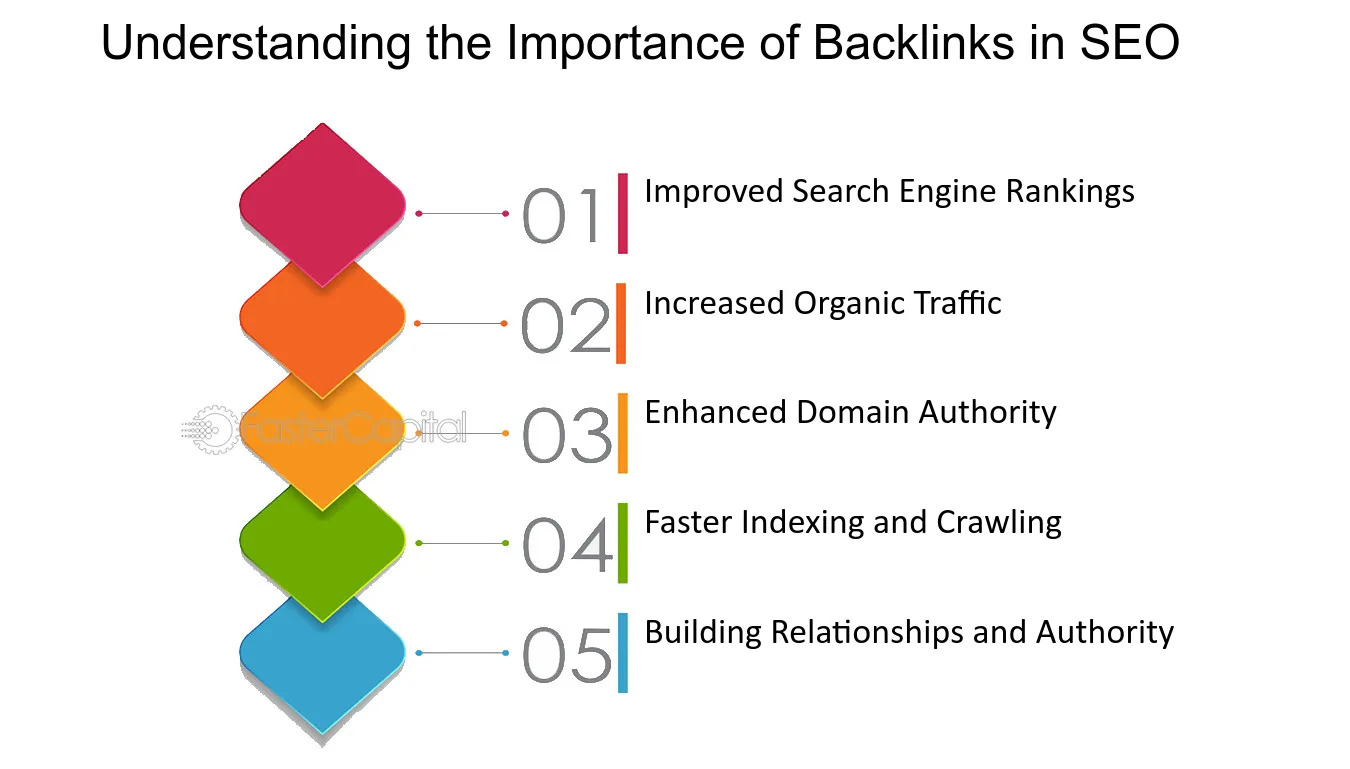
Search engines use complex algorithms to analyze backlinks and determine their quality and relevance. Google’s PageRank algorithm, for instance, assesses the number of backlinks pointing to a page and the authority of the linking sites. Factors like the relevance of the linking website, anchor text, and the diversity of link sources influence the effectiveness of backlinks. If a website has many high-quality backlinks from authoritative sources, search engines consider it more reliable and rank it higher in search results.
Key Points:
- Google’s PageRank algorithm assesses backlink quality and quantity.
Relevant backlinks from authoritative sources hold more value.
Anchor text influences how search engines interpret links.
Diversity in backlink sources strengthens SEO.
Low-quality backlinks can negatively impact rankings.
The Relationship Between Backlinks and Domain Authority
Domain authority (DA) is a metric developed by Moz that predicts a website’s ability to rank on SERPs. Backlinks significantly contribute to improving a site’s domain authority. When reputable websites link to a particular domain, search engines recognize it as a trustworthy source. The more high-quality backlinks a site has, the higher its DA score, leading to better rankings.
However, acquiring backlinks from spammy or low-quality sites can negatively impact domain authority and SEO performance.
Key Points:
- Domain authority (DA) measures a website’s ranking potential.
High-quality backlinks increase DA over time.
Spammy backlinks can lower domain authority and credibility.
DA is influenced by the number and quality of backlinks.
A strong backlink profile improves search visibility.
Strategies to Earn High-Quality Backlinks
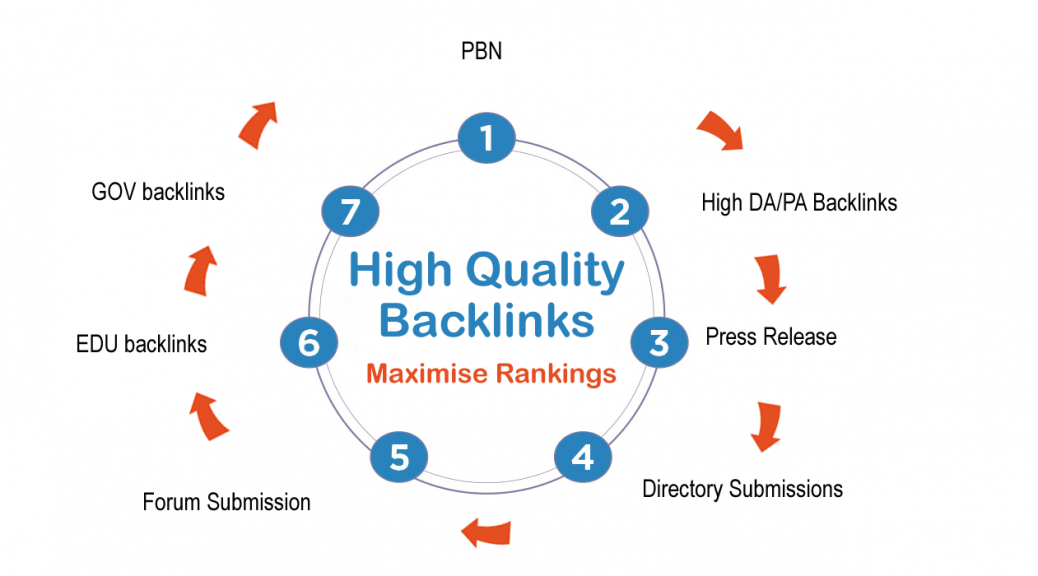
Earning high-quality backlinks requires strategic efforts. One effective approach is creating valuable, shareable content that naturally attracts links from authoritative websites. Guest blogging on industry-related sites, building relationships with influencers, and leveraging social media to promote content can also help gain backlinks. Broken link-building, where one replaces dead links with relevant content, is another proven strategy. Consistently employing these tactics ensures a steady flow of authoritative backlinks, enhancing SEO results.
Key Points:
- Create valuable and shareable content.
Guest blogging on authoritative sites builds backlinks.
Build relationships with industry influencers.
Use broken link-building to replace dead links.
Promote content on social media to attract links.
The Role of Content in Backlink Generation

Content plays a crucial role in earning backlinks. High-quality, informative, and engaging content naturally attracts links from other websites. Blog posts, research studies, infographics, and case studies are some of the most linkable types of content. Websites and blogs often link to
well-researched and data-driven articles, making content marketing an essential part of backlink building. Investing in evergreen content—content that remains relevant over time—ensures continuous backlink acquisition.
Key Points:
- High-quality content naturally attracts backlinks.
Blog posts, infographics, and case studies are linkable assets.
Data-driven articles get more citations.
Evergreen content ensures long-term backlinking.
Engaging content encourages social sharing and linking.
Common Backlink-Building Mistakes to Avoid
While backlinks are valuable for SEO, improper backlink-building practices can lead to penalties from search engines. Engaging in black hat SEO techniques such as buying backlinks, using private blog networks (PBNs), or participating in link exchanges can result in a Google penalty. Poor-quality backlinks from spammy sites can harm a site’s credibility and rankings. It is crucial to focus on organic and ethical link-building methods to ensure sustainable SEO success.’
Key Points:
- Buying backlinks can lead to Google penalties.
Spammy links from low-quality sites harm SEO.
Over-optimizing anchor text can appear unnatural.
Relying only on one backlink source is risky.
Ignoring nofollow links can reduce referral traffic opportunities.
The Impact of Backlinks on Organic Traffic

Backlinks not only improve domain authority but also drive organic traffic to a website. When a website receives backlinks from high-traffic sources, users clicking on those links land on the linked site, increasing its visitors. Additionally, better search engine rankings due to strong backlink profiles result in higher visibility and more organic traffic. By prioritizing quality over quantity in backlink-building efforts, websites can enhance their traffic and overall performance.
Key Points:
- High-quality backlinks drive referral traffic.
Strong backlink profiles improve search rankings.
Organic traffic increases with higher search visibility.
Relevant backlinks lead to better engagement.
More traffic means increased conversions and sales.

Monitoring and Analyzing Backlink Performance
Tracking and analyzing backlinks is essential for an effective SEO strategy. SEO tools such as Ahrefs, Moz, and SEMrush provide insights into a website’s backlink profile, identifying the sources of backlinks, their quality, and their impact on rankings. Regularly auditing backlinks helps detect and disavow toxic links that could harm a site’s SEO. By maintaining a healthy backlink profile, businesses can sustain their domain authority and improve search engine visibility.
Key Points:
- SEO tools help track backlinks and analyze performance.
Regular audits identify toxic links.
Disavowing harmful backlinks protects rankings.
Analyzing competitor backlinks reveals opportunities.
A healthy backlink profile sustains SEO success.
The Future of Backlinks in SEO

As search engine algorithms continue to evolve, the role of backlinks in SEO is also changing. While backlinks remain an essential ranking factor, search engines are placing more emphasis on content quality, user experience, and on-page SEO. Artificial intelligence (AI) and machine learning are shaping how search engines evaluate link relevancy and credibility. Staying updated with SEO trends and continuously optimizing link-building strategies will be crucial for maintaining domain authority in the digital landscape.
Key Points:
- Search engines are evolving in how they evaluate backlinks.
AI and machine learning improve backlink assessment.
Content quality is becoming more crucial for rankings.
On-page SEO complements backlink strategies.
Ethical link-building remains key to long-term success.
FAQS:
What are backlinks in SEO?
Backlinks are incoming links from one website to another. In SEO, they act as votes of confidence, telling search engines that your content is valuable and trustworthy.
2. Why are backlinks important for SEO and domain authority?
Backlinks help improve your domain authority by signaling to search engines that other sites trust your content. This increases your chances of ranking higher in search results.
3. How do backlinks affect Google rankings?
High-quality backlinks from authoritative websites can improve your search engine rankings by passing link equity and boosting your site’s relevance and trustworthiness.
4. What is domain authority and how is it measured?
Domain authority (DA) is a metric developed by Moz to predict how well a website will rank on search engines. It’s influenced by factors like backlinks, content quality, and overall site structure.
5. How can I build high-quality backlinks for my website?
You can earn backlinks by publishing valuable content, guest posting, conducting outreach to relevant sites, submitting to directories, and earning mentions from media or influencers.