The e-commerce landscape is evolving rapidly, driven by technological advancements, shifting consumer behaviors, and market demands. As we step into 2025, businesses need to stay ahead of the curve to remain competitive. With the increasing use of artificial intelligence, augmented reality, and blockchain technologies. The companies must adapt to new consumer expectations and market dynamics. E-commerce platforms are becoming more interactive, efficient, and personalized. They providing customers with an enhanced shopping experience. Here we discuss Top E-Commerce Trends to Watch in 2025.
Infinite Online Sales Growth

Since the advent of the internet, E-commerce platforms have grown both in popularity and reach. This can be ascertained from the fact that this online sales business has shown a massive increase. From USD 1.3 trillion to USD 4.5 trillion from 2014 to 2025—that is approximately 3 times growth in just 7-9 years. As companies jump on the bandwagon to make their business visible in the online world. Therefore, more people around the world are shifting from physical retail shopping to online shopping.
E-commerce During COVID-19

The COVID-19 pandemic has played a major role in changing the online business as we know it. With the closures of physical retail stores (owing to lockdowns), more people are preferring to shop online. While staying within the comfort of their homes. The rise in online shopping has reached such heights that the penetration rate. These online retailing is estimated to show a jump from 15% to 25% by the end of the year 2025. Amazon, the online retail giant, made more than USD 24 billion through its E-commerce platforms, thanks largely due to the increase in online shopping.
Smart Shopping
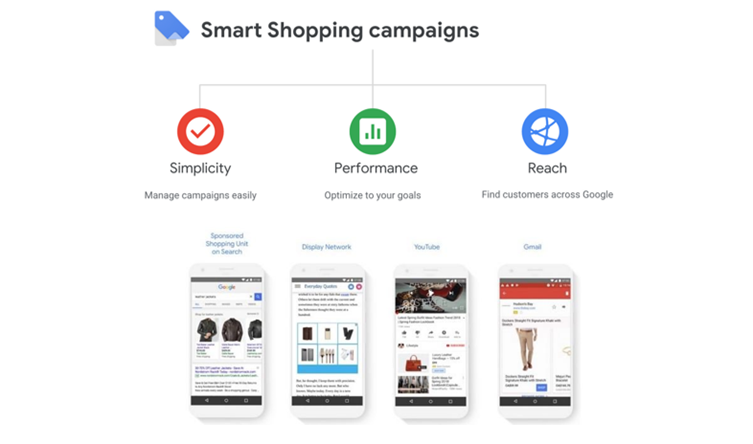
Gone were the days when a customer had to go to big markets just to get an idea about the variety of items available. Now, thanks to the growth spurt in the use of smartphones. A customer is able to browse from amongst literally thousands of items with just a swipe of his screen. The sales made through smartphones had shown an increase of 15% since 2016. Not only that, but it is also estimated that by the end of 2021, 73% of E-commerce sales. It will be held via smartphones. Customers not only use their smartphones for shopping.
Growth of Voice Commerce
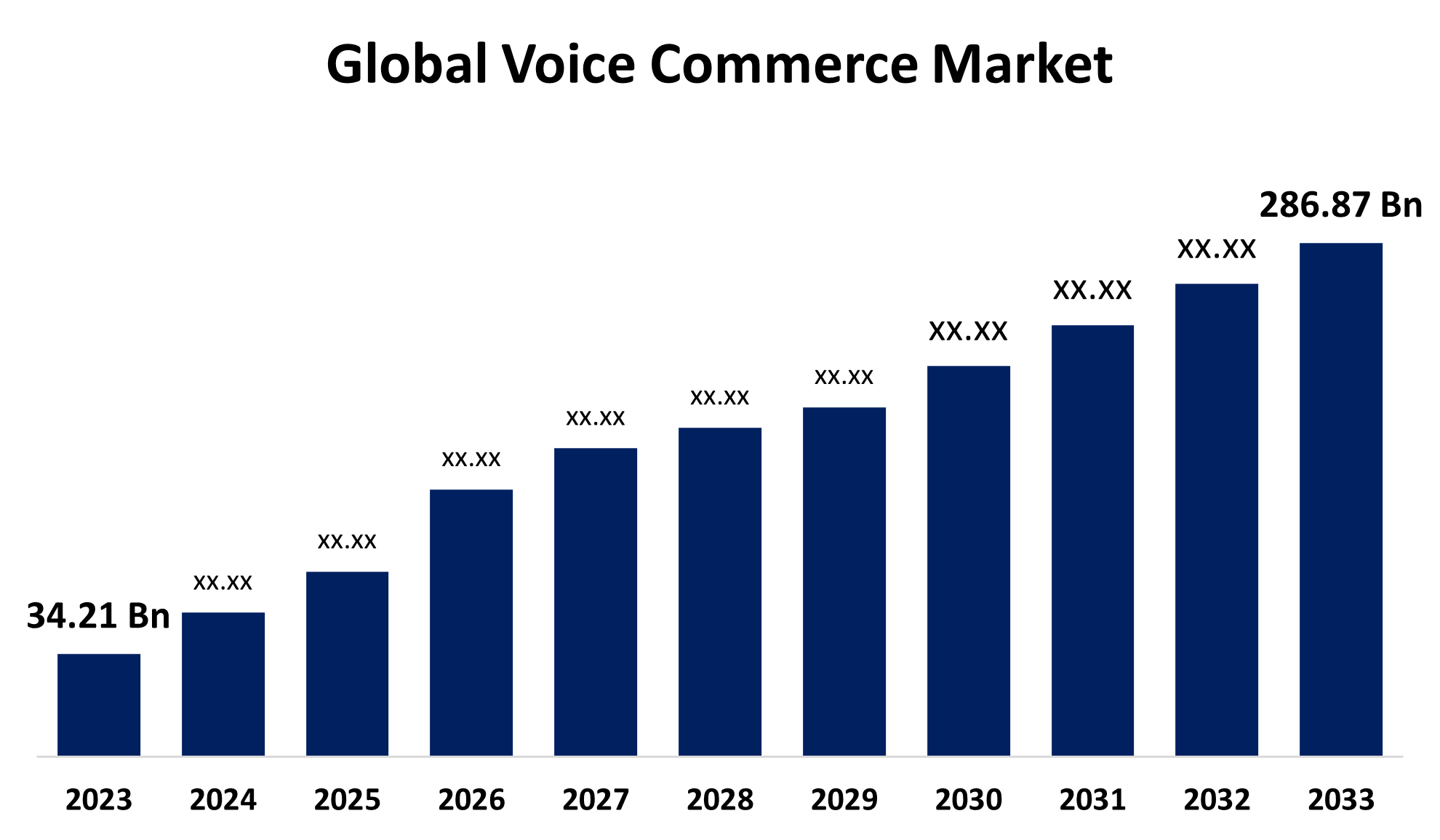
Voice commerce or voice-assisted commerce is a game-changer for retail brands across the globe. Reducing the dependence on hardware, voice commerce allows the end-user to use his voice commands to search and purchase products online. Having been introduced by Amazon through its smart speakers, this voice commerce has been so phenomenal that in 2017, it was estimated that about 13% of smartphone users in US-made their purchases through their voice commands.
Significance of Social Media in E-commerce

The world of E-commerce owes its spread and popularity largely to social media sites such as Facebook and Instagram. This is because these social media platforms provide a gateway for customers to make online purchases from the sites available by big brands. These social media sites have not only benefited the end-customer, but it has also made brands visible across countries, assisting them in getting recognized both locally and internationally. As the usage of social media platforms increase, brands are focusing on making themselves more popular by using the power of social media influencers.
Environmental Concerns and E-commerce

While the world uses online E-commerce facilities to gain a thoroughly unique shopping experience, many of the users are not unaware of the environmental impacts of their choices. As “Green Consumerism” picks up momentum, E-commerce industries should focus on developing more environment-friendly and reliable practices. This involves tracing of products from fair-trade establishments as well as prevention from malpractices, fraud, and forgery through online commerce.
Artificial Intelligence

One thing that has changed the way people shop and purchase online is Artificial Intelligence (AI). The retailers across the globe are willing to make huge investments. AI tools which will support them in expanding their services and provide them with a suitable advantage in the global world. Some of the advantages of AI tools are reliability, easy-to-use interfaces, and the support of chatbots to respond to the purchaser’s problems easily and quickly. Moreover, it is predicted that there are other areas where AI can be helpful for sellers.
Effects of Augmented Reality on Shopping
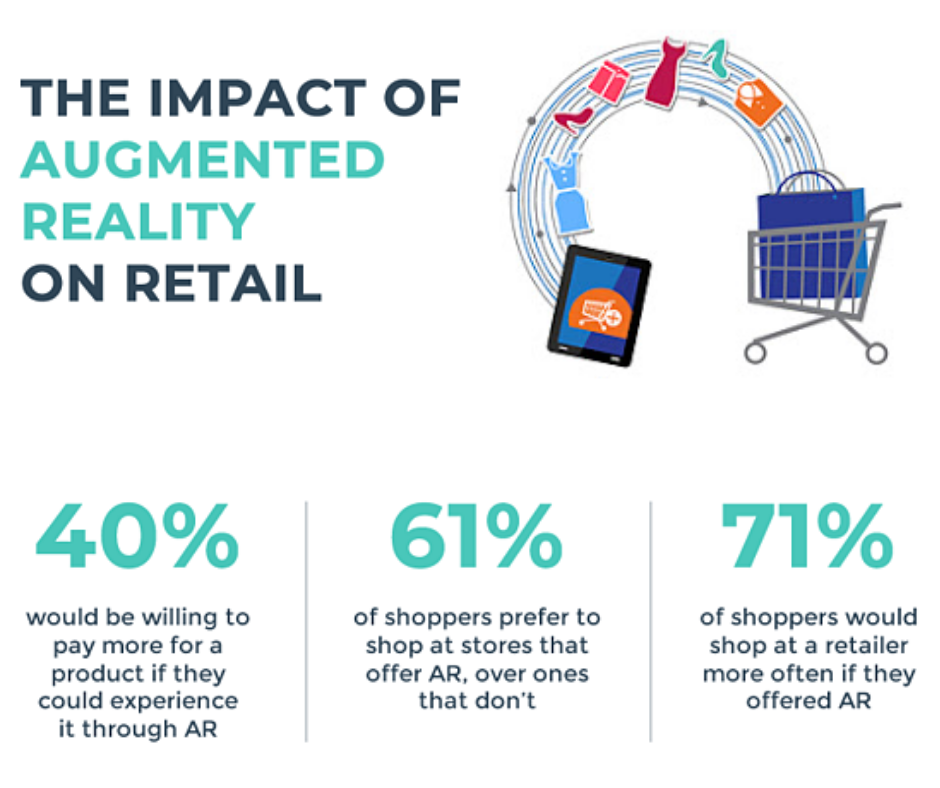
It is said that until the year 2025, more than 120,000 stores will be using (AR) Augmented Reality technologies, as it has the ability to offer a remarkable business experience. The main issue that people have while placing their orders online these days is the incapability to see the quality of the product. AR technologies fill this gap by building a sense of trust and allowing consumers to visualize their desired products. Not only that, but AR skills can also change the way customers shop and the selected items they intend to buy.
Personalization

When it comes to online shopping, who doesn’t want a personalized experience? According to almost 50% of consumers. This personalized online experience holds great significance for them and almost 74% of marketers. They believe that personalization has a “very strong” effect on developing customer relationships. People who shop online sometimes need assistance for searching the products they desire. which is why they place extra emphasis on personalized experiences. This is why E-commerce companies across the globe are striving to give this “personalized” touch to their products in order to bring more customers within their folds.
Visual Commerce

The main issue with E-commerce stores in selling a product to customers is that they are unable to physically touch that product. That’s where visual commerce enters the game. Visual commerce is basically the advanced form of ordinary static visuals. It takes marketing to another level by using graphics, consumer-generated media, augmented reality, engaging videos, and interactive content to display items online. It is projected that the image-recognition market is likely to make a profit from USD 20.19 billion to USD 81.8 billion from 2018 to 2026.