An SEO audit is the process of reviewing your online assets to make sure your site is performing the best it possibly can in search results. The thing is, there are so many facets to SEO that this process can become overwhelming, fast. We’ve simplified the SEO audit into 10 core steps in this post, but if you have a large website, you might also consider separating out your SEO audits into categories. here we discuss 9 Steps to Audit Complete SEO Strategies
Types of SEO audits
If you have a large website, you may want to consider the different types of SEO audits so you can prioritize accordingly or your SEO audit out into different your
SEO content audit
This refers to identifying opportunities to improve the accuracy, recency, and quality of the content on the pages you’re looking to increase traffic or improve rank. Google E-A-T is your guide here. We’ll talk more about updating and refreshing content later in this post. This type of audit may also include identifying opportunities to optimize for the featured snippet, people also ask section, and passage ranking.
On-page SEO audit
This type of SEO refers to making sure the backend elements of a page are optimized for search crawlers. An on-page SEO audit would include checking meta descriptions, meta titles, image alt text and compression, and more.
Off-page SEO

An off-page SEO audit would involve looking at other pages and even other domains that link to the pages you’re looking to improve—which may involve the quantity, quality, distribution, and recency of these links
Technical SEO audit

This type of SEO audit will involve on-page efforts like image optimization but largely refers to performance metrics like site speed and security. A technical SEO audit will identify opportunities to fix, eliminate, or reorganize code, prevent spam, switch from HTTP to HTTPS, and more.
Local SEO audit
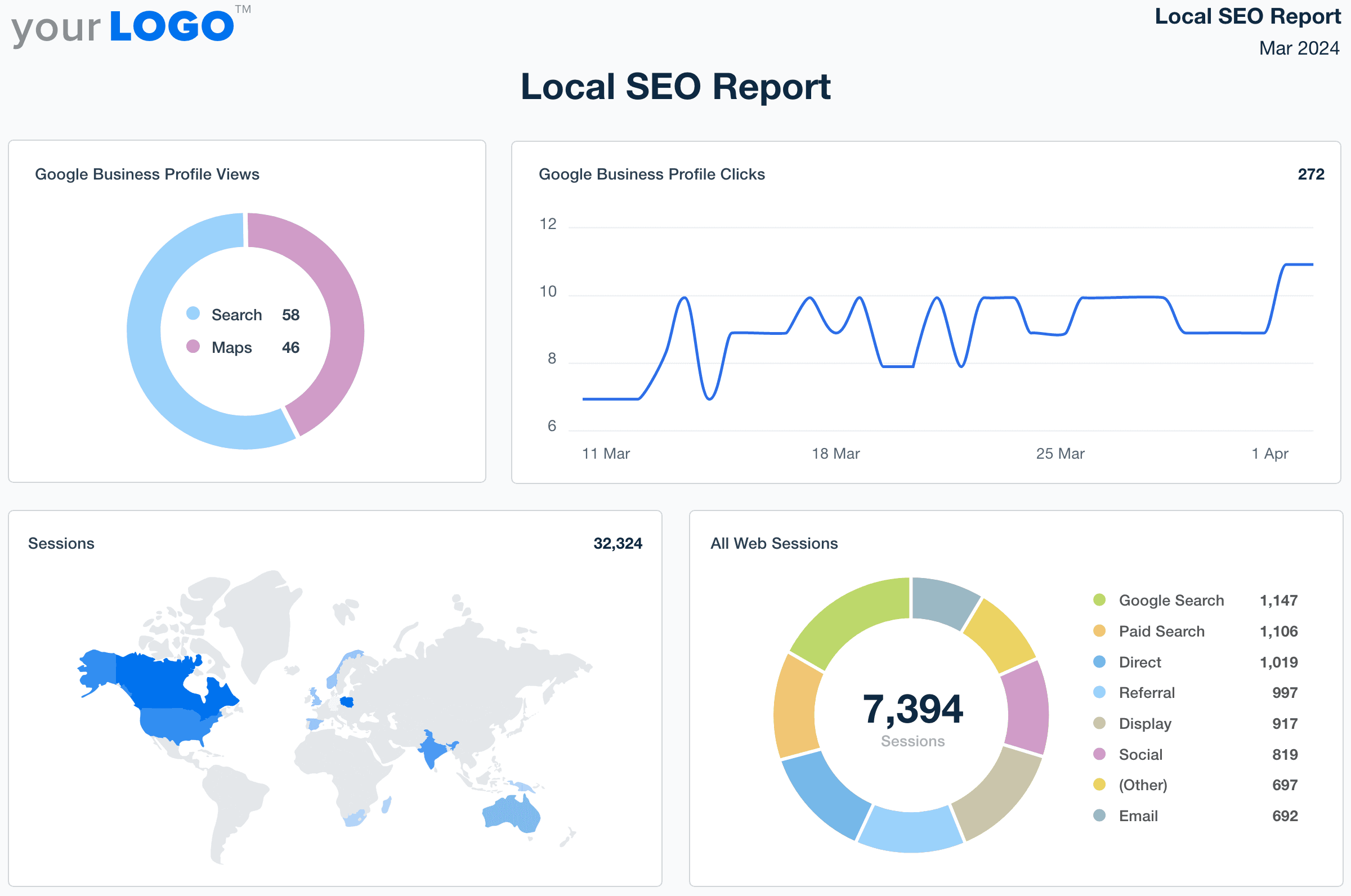
Local SEO involves the set of practices to help your business rank in local search. A local SEO audit will be slightly smaller but will still involve elements from each of the above audits with regard to listings (off-page), content (locally focused pages and posts), on-page (keyword insertion and targeting), and technical (site speed and security).
9 SEO audit tools
In order to do the SEO audit, we’ll be covering in this guide, you’re going to need some tools. These include:
SEO software
Any SEO software worth its mettle. Ahrefs, Moz Pro, SEMrush will have a site audit or site crawl tool that allows you to crawl your website and determine not just general search health, but common inefficiencies that are dragging down your site’s organic performance. They’re also replete with other tools—keyword research tools, backlink profiling tools, etc. I would recommend procuring at least the free trial version of one of these tools before attempting a complete SEO audit of your site.
Google Search Console:
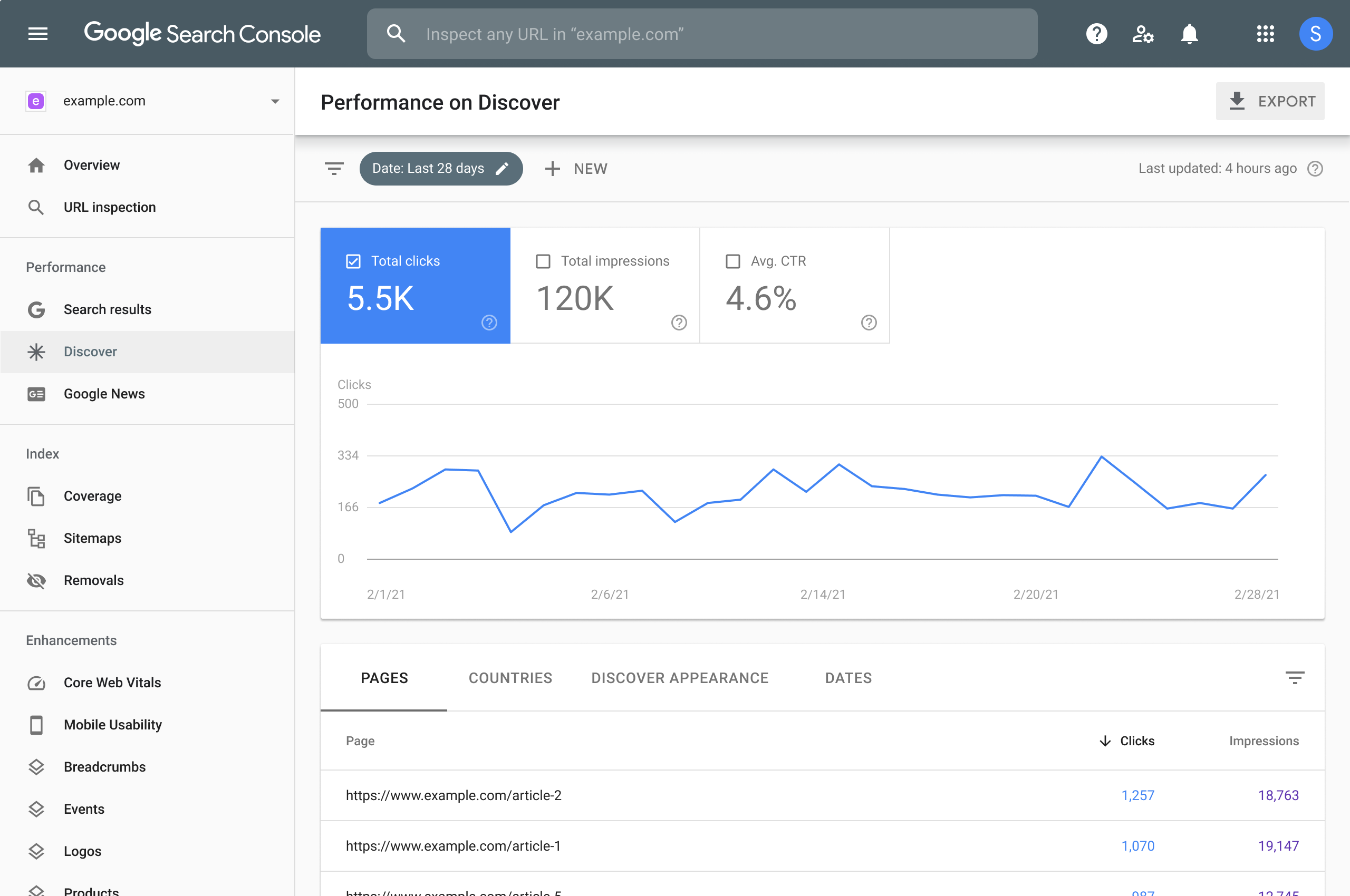
There are many ways to use Google Search Console (formerly Webmaster Tools) for SEO auditing with respect to keywords, organic CTR, technical fixes, Core Web Vitals, and submitting any pages for reindexing that you have reoptimized as a result of your audit.
Google Analytics:
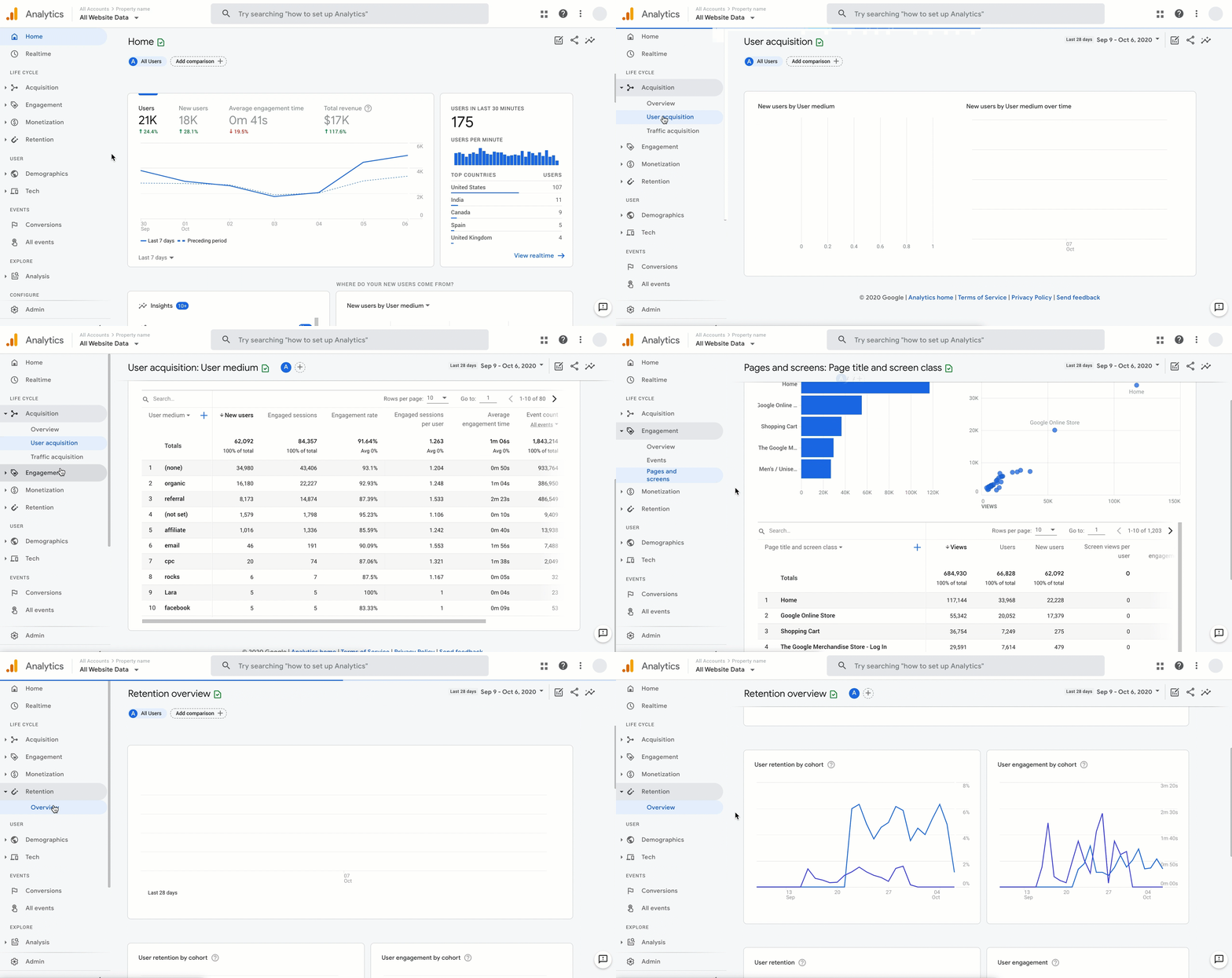
The whole point of an SEO audit is to improve traffic to your site, and as such, you’ll need Google Analytics to measure the impact of your actions. This will also help you to prioritize your action items based on which pages get the most traffic or have had significant drops in traffic.
Page speed tools:
Google’s Page Speed Insights and GT Metrix are both reliable and free tools,
SEO audit checklist
Given the above section on types of SEO audits, we’ve compiled a checklist for a pretty well-rounded SEO audit that incorporates technical, off-page, and on-page SEO.
Step 1: Identify link building opportunities
Building links is a vital part of accruing website authority, and no SEO audit is complete without recommendations for building site-specific internal and external links.
How to build internal links
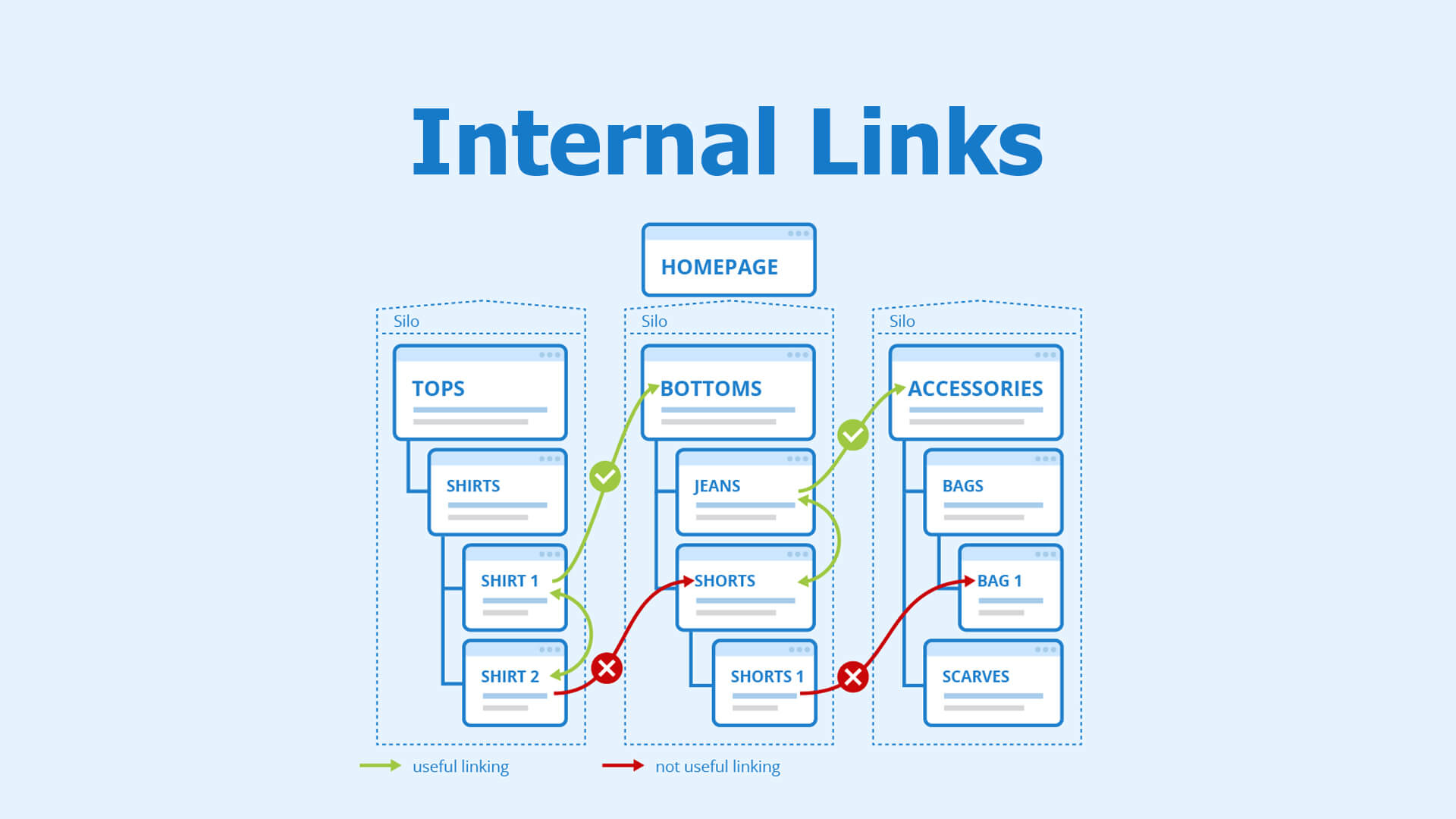
Internal links pass link equity within your own pages, and as such, are vital to forming authoritative hierarchies within your site. A straightforward and time-honored way to build internal links: when you create a new piece of content, do a site search for older, related content which, ideally, has built up some equity; then find anchor text within the old content to link to the new content.
How to build external links
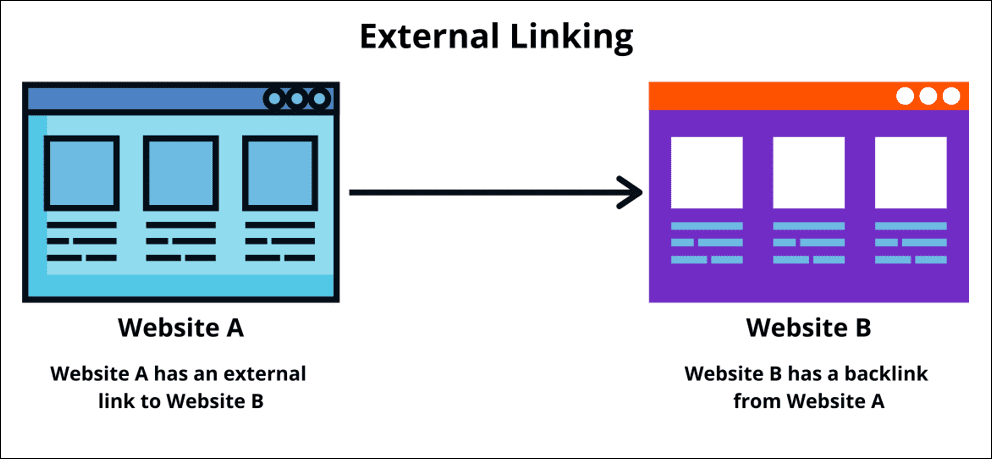
Earning links from a diverse set of authoritative domains is the essence of increasing Domain Authority. One straightforward way to build external links is to search for resource lists that could realistically feature your content and link to you. So, if you’re running an SEO audit for a private school in Massachusetts, and you want to make recommendations for external link building:
Step 2: Identify site structure improvements
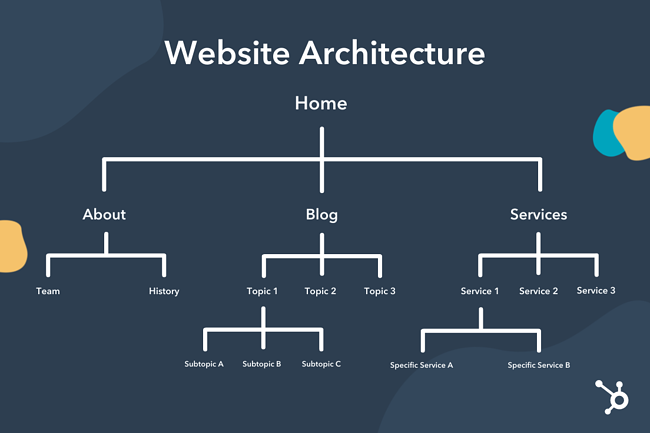
Information architecture, or IA, is a pretty sweeping term that basically just means, “The way information is ordered/structured.” Unless you’re auditing your own site, IA-based recommendations should hinge on the goals of project stakeholders. To which pages/parts of the site are they trying to push users? Is the goal to make the site intuitive or immersive? Your target audience and business goals will inform the way you define and organize content.
Step 3: Find (and fix) thin content
Thin content is content that fails to meet user needs. A 300-word blog post explaining a complex concept would be considered thin. That said, it’s not realistic to put 1000-2000 words on every page of your site. Pages closer to your homepage are going to be dominated by design work—hero images, icons, call-to-action buttons—and product-centric copy.
Step 5: Scan for keyword optimization

As with beefing up thin content, there are certain pages on your site where it’s not going to be feasible to fully optimize for target and ancillary keywords. Say you are an employee scheduling software company. You’ve squeezed “employee scheduling software” onto your homepage in multiple places. The highest volume, lowest competition keyword related to “employee scheduling software” is “best employee scheduling software.” While you’d like to rank for that keyword, it’s probably not a prudent move to say “we’re the best” on your homepage. That’s a keyword best reserved for a blog post (check out our SEO blog post templates here).
Step 6: Make sure meta tags are optimized
Meta tags consist of a meta title and a meta description. They help Google determine the content of the page it’s crawling and are two of the bigger factors Google takes into account when determining the order in which to rank pages. They also help users looking through search results determine the content of your page, and as such, act as promotions for your content.

With meta tags especially—though this is also important for general SEO copywriting—you want to avoid squeezing in keywords for the sake of squeezing in keywords, also known as keyword stuffing. “10 Great Instagram Captions, Good Instagram Captions, and Funny Instagram Captions That Will Make You ROFL” is not a good title.