In this digital age, mastering the art of SEO writing is crucial to getting your content noticed. The best SEO content writing tips can elevate your work from being buried deep on Page Three to ranking on the first page. But how do you write great SEO content that appeals to both readers and search engines. In this article, we’ll explore 11 Simple SEO Writing Tips for Better Content Marketing and what skills you need to improve to create engaging, valuable, and optimized web pages that will keep your audience coming back for more.
What is SEO-Friendly Content Writing?

The SEO-friendly content creation ART of Crafting is the art of attractive, informative articles that rank higher at the search engine result pages (SERP). This is like a secret code to achieve your content seen by the right people. The goal of the SEO is to run biological traffic on its website, providing value to its audience.
Why Does It Matter?
The search engines top the social media and bring the most traffic from any other channel to websites. In today’s digital scenario, visibility is everything – if you are not ranked well in Serps, where most of your customers are browsing, they do not find you.
How to Write Good SEO Content
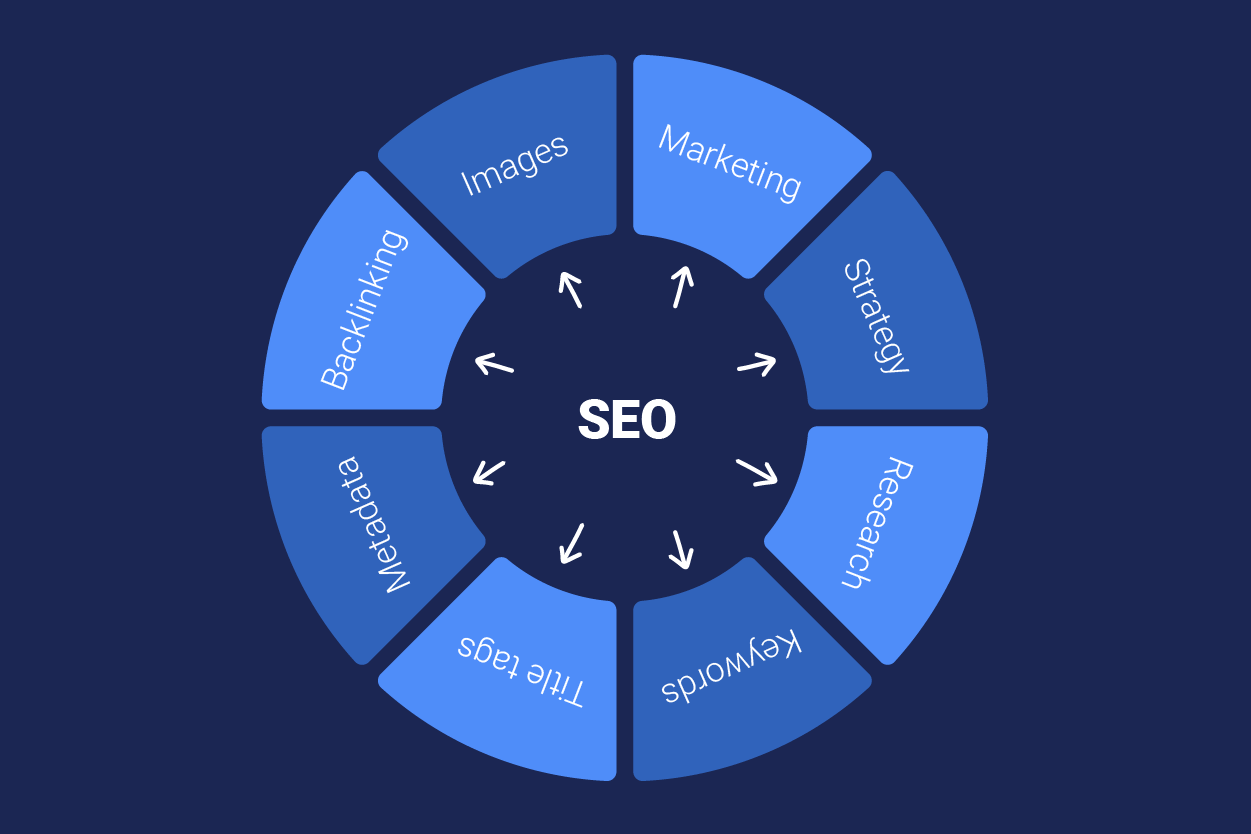
Writing effective SEO content is all about combining engaging storytelling with strategic keyword usage and technical know-how.
Here are some key factors that contribute to excellent SEO content:
Keyword Research: The Key to SEO Success
Want your content to rank high in search engines? Do not just want to hit page one, but are the top five results? Start by researching the right keyword. Consider relevant topics for your niche, then use a tool such as Google Keyword Planner or Ahrefs keyword explorer to find popular and relevant keywords. But don’t focus only on popularity – consider the search intention and include the related keywords to help the search engines better understand the context of your pages better.
User Intent
One of the most important things to keep in mind when creating SEO content is user intent. Are they looking for information, a specific product, or a solution to a problem. Understanding the intent behind the search can help you create content that directly addresses the user’s needs.
Target Audience

Another key element of SEO-friendly content is knowing your target audience. Who are you writing for. What are their pain points, interests, and goals. When you have a clear understanding of your target audience, you can create content that resonates with them and keeps them engaged. This not only helps with SEO but also with building a loyal following and generating leads.
Create High-Quality, Helpful Content
Even if your goal is to rank in search engines, remember that you are still writing for your human reader, so learn more about their needs and interests and address their pain points in your content.
- Tell a story. Engaging narratives make it easier for readers to connect with your brand and remember the information you’re sharing.
- Master the art of copywriting. Strong writing skills are essential in crafting compelling content that keeps readers hooked from start to finish.
- Be original. Offer fresh perspectives on topics within your niche to establish yourself as an authority while keeping readers engaged.
- Create evergreen content. It remains relevant over time and continues driving traffic long after its initial publication date.
- Craft attention-grabbing titles. Your headline is the first thing potential readers will see so make sure it entices them to click through.
- Add visuals and media. Make your written content more attractive and engaging by adding multimedia content. Here are some examples:
- Videos – create informative or entertaining videos related to your industry, such as tutorials, product reviews, interviews, or behind-the-scenes looks at your company culture.
- GIFs and memes – add some humor by incorporating relevant and tasteful GIFs and memes into blog posts or social media updates.
- Infographics – create eye-catching visuals to convey complex information in an easily digestible format.
- Edit and proofread. Before hitting publish, proofread your work for grammatical errors and inconsistencies to ensure a polished piece of content that reflects well on your brand.
- Last but not least: be consistent. Regularly publishing high-quality content will keep readers coming back for more while improving your search engine rankings.
Optimize Content for Search Engines
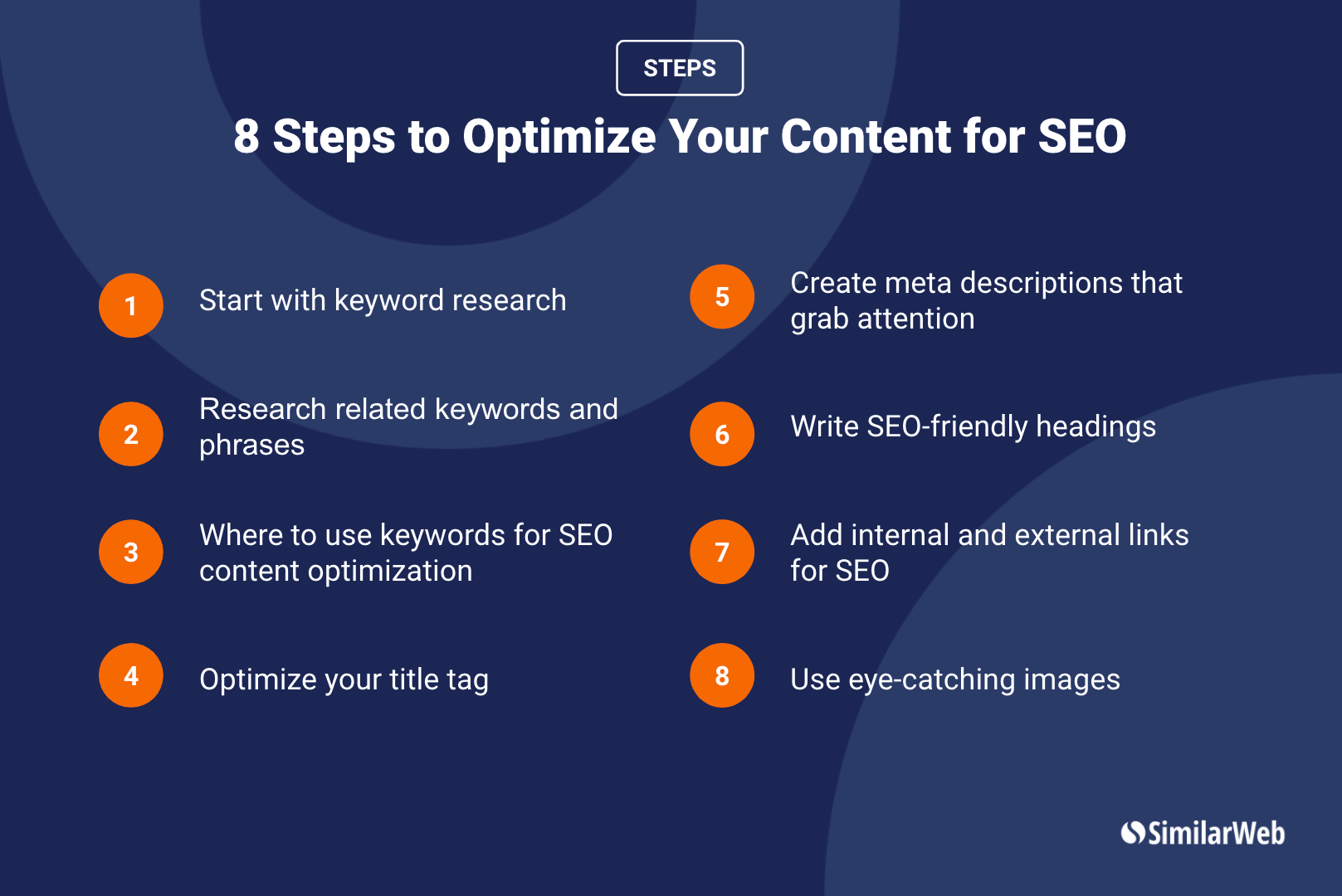
As you learn how to write SEO content, one of the most important tasks is optimization. This is the process of making your content easier to read for people, and easier to understand and categorize for search engines.
Here are the basic steps:
- First things first, focus on your title tag, or H1 heading. It’s the first impression you make on both search engines and readers. A compelling and keyword-rich title not only grabs attention but also signals relevance to search engines.
- Next up, meta descriptions. This short snippet of text below your page’s URL in search results should be enticing enough to make users click through while including relevant keywords.
- Create a clear structure with H2 headings that break down complex topics into digestible sections. This makes it easier for both readers and search engine crawlers to navigate your content.
- Sprinkle LSI keywords throughout to avoid keyword stuffing. LSI Graph is an excellent tool for finding LSI keywords.
- Use anchor text in internal links to give readers a clear idea of what they’ll find when clicking the link. This helps search engines understand your site’s structure and boosts user experience.
- Optimize images for SEO by adding descriptive alt text, using proper file names, and compressing images to improve page load times.
- Last but not least, write high-quality content that engages readers and provides value while incorporating keywords naturally. A well-written piece will always rank higher than a poorly written or keyword-stuffed article.
SEO Writing Techniques
SEO writing techniques are essential strategies that help your content rank higher on search engines like Google. Well, the higher your content ranks, the more visibility it gets, which ultimately leads to increased traffic and conversions for your website.
Here are some of the best SEO content writing tips:
Strategic Keyword Placement
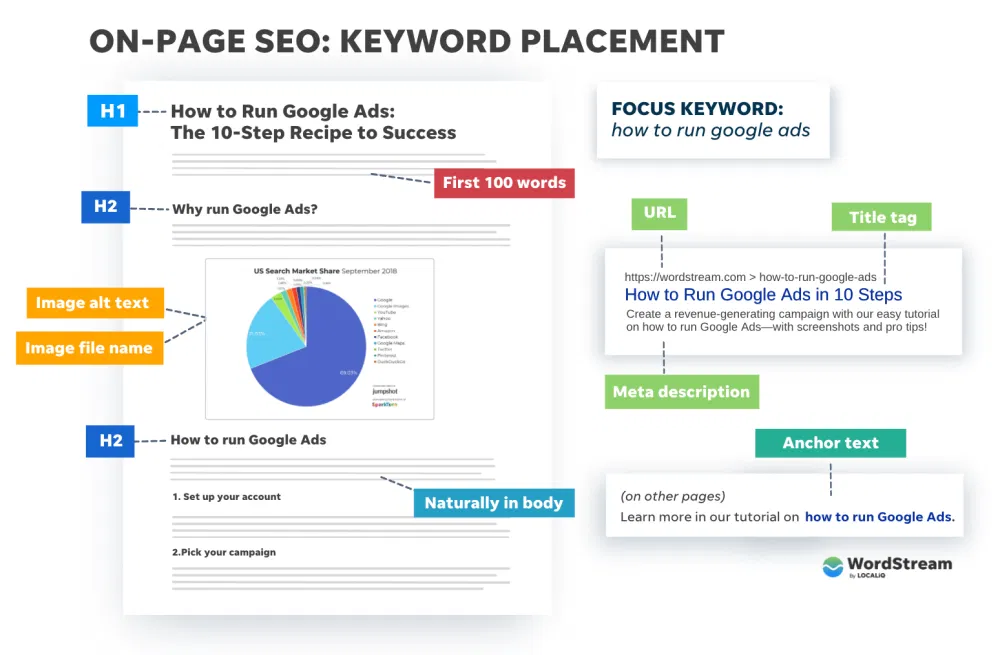
Incorporate your target keywords naturally into your content. Place them in the page title, headings (H1, H2, etc.), meta description, URL, and throughout the content. Ensure that the keywords fit seamlessly within the context and don’t overstuff them as it can negatively impact the readability and user experience.
Proper Heading Structure

Header tags (H1, H2, H3, etc.) aren’t just for making your content look pretty — they also help search engines understand the structure and hierarchy of your article. Use your H1 for your main title, H2s for major sections, and H3s for subtopics. Then use H3s to break down each of those topics further.
Improve Readability

No one wants to slog through a wall of text. Break up your content with short paragraphs, bullet points, and plenty of white space. Use a clear, easy-to-read font, and make sure your text is large enough to read comfortably.
Optimize Meta Tags

Your title tag is the headline of your article — it’s the first thing people see in search results. So you better make it count. Aim for around 60 characters, include your target keyword, and make it irresistible to click. Meta descriptions are like mini ads for your content. You’ve got about 155 characters to convince someone to click through to your article. Use actionable language, include your keyword, and give a clear preview of what they’ll learn.
Internal and External Linking
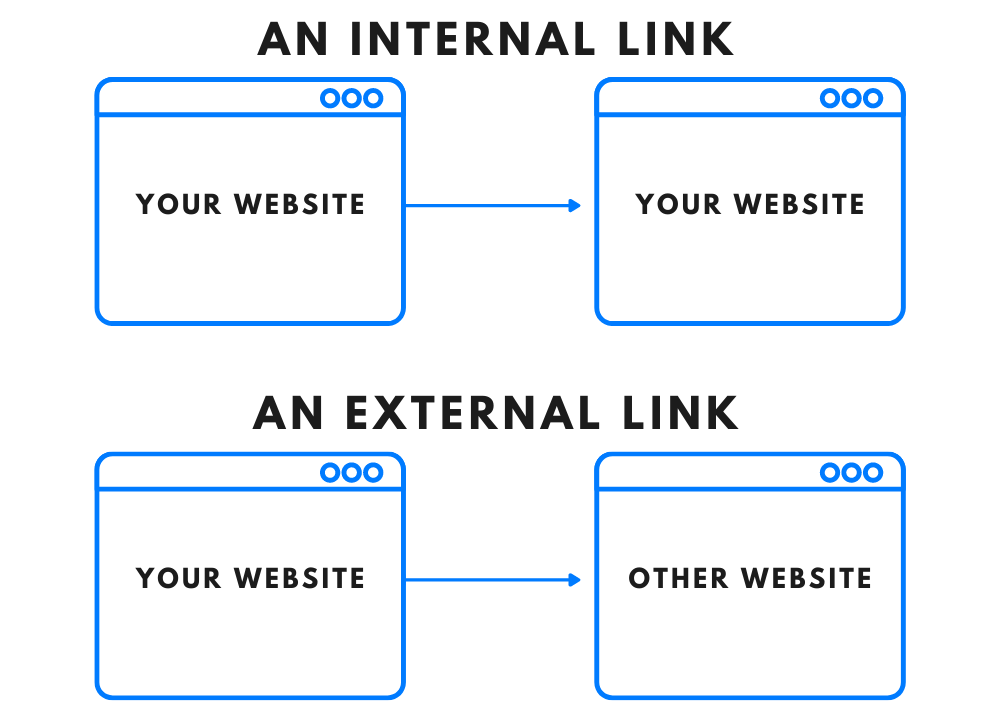
Linking to other relevant pages or posts on your site helps search engines understand your site structure and can keep readers engaged. But don’t go overboard – only link when it genuinely adds value for your reader. For example, in a post about what is SEO-friendly content, you might naturally link to other articles you’ve written about keyword research, on-page optimization, or content promotion strategies. Additionally, include external links to reputable and authoritative sources that support your content.
User-Friendly Formatting

Make your content easy to read by using short paragraphs, bullet points, numbered lists, and subheadings. Formatting your content properly not only improves readability for users but also helps search engines analyze and understand your content structure.
Image Optimization

Adding images to your blog posts makes them more visually appealing and can help illustrate your points. But don’t forget the alt text. This is the text that appears if an image doesn’t load, and it helps search engines understand what the image is about. Include your target keyword in the alt text if it makes sense but keep it natural. Properly optimized images can help improve your website’s visibility in image search results and enhance the overall user experience.
Mobile Optimization

With the increasing use of mobile devices, you want to make sure that your content is mobile-friendly and responsive. Mobile optimization is crucial for both user experience and search engine rankings.
Regularly Update Content

Update your content regularly to keep it fresh and relevant. Add new information, update statistics, and address any outdated content. Search engines prefer up-to-date and relevant content. Remember, while SEO writing techniques are important, always prioritize the needs and interests of your readers. Creating valuable and engaging content that addresses their questions and provides a great user experience should be at the core of your SEO writing strategy.
10 Best SEO Content Writing Tips
Looking for the best SEO content writing tips to boost your ranking and engage your audience?
Open your favorite note-taking app and write down these golden nuggets of wisdom:
- Write an attention-grabbing headline: A compelling headline will capture readers’ attention and entice them to click on your blog post. Make it concise, intriguing, and promise a benefit or value. Use power words and include relevant keywords to optimize it for search engines.
- Start with a strong introduction: Your introduction should hook the readers and make them want to continue reading. Use a captivating anecdote, a thought-provoking question, or a surprising fact to grab their attention from the beginning.
- Provide valuable and actionable content: Make sure your blog post offers useful information, insights, or solutions to the readers’ problems. Provide actionable tips, step-by-step guides, or in-depth analysis that readers can apply in their lives or work.
- Use storytelling techniques: Storytelling is a powerful tool to engage readers and make your content more relatable. Incorporate personal anecdotes, case studies, or examples to illustrate your points and create a connection with your audience.
- Make it scannable: Most online readers skim through content, so make your blog post easy to scan. Use subheadings, bullet points, and numbered lists to break up the text and highlight key information. Use short paragraphs and sentences for easy readability.
- Create long-form content: Longer, in-depth articles tend to rank higher on search engines. Aim for 2,000+ words to get your content in the Top 10 of Google search results.
- Use a conversational tone: Write in a conversational style to create a friendly and approachable vibe. Avoid using overly formal or technical language that may alienate readers. Imagine you’re having a conversation with a friend and write accordingly.
- Incorporate multimedia: Add relevant videos, infographics, or other multimedia elements to enhance user experience and keep visitors engaged longer. Visuals also help to break up the text and illustrate complex ideas in an easy-to-digest format.
- Edit and proofread: Whether your content is written by a human or AI, always check your final draft before publishing. Use a tool like Grammarly to catch typos, grammar mistakes, and awkward phrasing. This not only improves readability but also builds trust with your audience.
- Add a compelling call-to-action (CTA): Conclude your blog post with a clear CTA that builds trust and encourages readers to take action such as subscribing to your newsletter, leaving a comment, sharing your post on social media, or buying something from your store.
FAQs:
What is content optimization?
Content optimization is the process of updating your content (anything from the text, images, links, code, and more) to aid search engine algorithms in ranking your web pages higher.
How do I optimize my content?
You can optimize your content by conducting keyword research and including these terms in your copy, title tags, meta descriptions, and headings. You can also add internal and external links as well as eye-catching images.
Why is content optimization important?
Content optimization is important as it can make a positive difference in the quality and quantity of the organic traffic your website receives.
How can I measure the optimizations I did?
To ensure your optimizations are taking effect you need to keep monitoring performance closely. Use a rank tracker to get relevant data, benchmark against the competition, and identify additional opportunities.