SEO and E -mail may seem two completely different strategies – one brings people, the other follows. But when you combine them, it unlocks a smarter way to increase your traffic, engagement and conversions. That’s where marketing comes by and email from SEO. It is not a question of choosing between research and and email. It is about improving work – the top. SEO helps attract the public right organically, and email helps create confidence, nourish leads and bring visitors back. In this article, we will divide what SEO Email Marketing Why It’s Better Together in 2025.
What Is Email Marketing?
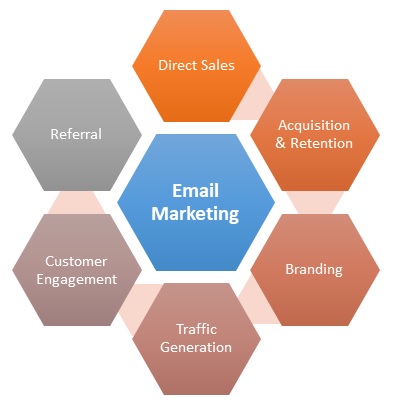
Email marketing is a digital strategy where businesses send emails to promote products, share updates or make a relationship with their audience. It is used to reach customers directly, nourishes the lead, and runs sales or engagement.
What Is SEO?

SEO (search engine optimization) is a process of improving the visibility of your website on search engines such as Google. The goal is to get more organic (unpaid) traffic by ranking high for relevant keywords. This involves optimizing materials, website structure and links to understand the search engine and help you rank your pages better.
How Email Marketing Supports SEO

Email marketing might not directly affect Google’s ranking algorithm, but it plays a strong indirect role in boosting your SEO efforts. Here’s how:
1. Drives Quality Traffic to SEO Pages
Sending blog posts with product pages and landing pages through email connects with visitors already interested, which promote your website traffic. Visible user of email traffic shows high levels of engagement based on time and click-Through rates on user signals, which increase the SEO performance metrics.
2. Reduces Bounce Rate and Increases Dwell Time
Those who actively choose to subscribe to your email list, they spend extra time to browse your website, which encourages them to see several pages. Your bounce rate decreases while your residence time increases, which shows the search engine that your content is value.
3. Encourages Shares and Backlinks
Great content promoted via email can earn backlinks if recipients find it worth sharing. You might reach bloggers, journalists, or influencers who’ll reference your post in their content—giving you SEO juice in the form of backlinks.
4. Re-engages Past Visitors (Supports Branded Search)
Email lets you reconnect with users who’ve already visited your site. Sending updates or offers can remind them of your brand and drive them to search for you again—boosting branded search traffic, which contributes to SEO authority.
5. Promotes Consistent Traffic to New Content
The new blog post is published right now? Promote it in your next newspaper. In traffic after publication, it can continuously score spike pages faster and perform better in the search ranking. By integrating email marketing and SEO, you create a cycle of traffic, engagement and sharing – which contribute to better visibility and ranking over time.
How SEO Helps Improve Email Marketing
While email marketing supports your SEO indirectly, SEO also strengthens your email strategy in several important ways:
1. Provides Useful Content to Share via Email
A successful SEO approach demands the frequent creation of valuable content that is optimized for search. Your email newsletters will maintain customer interest effectively by utilizing these blog posts, guides, and case studies instead of creating new content from scratch.
2. Keyword Research Helps Shape Email Topics
SEO keyword research reveals what your audience is searching for. These insights can guide your email content strategy too—so you’re sending newsletters around topics people already care about, increasing open and click rates.
3. Increases Organic Email Sign-Ups
Well-optimized landing pages and blog posts rank higher in search results, bringing in more visitors. By placing email sign-up forms on those pages, you turn that organic traffic into loyal subscribers—growing your list passively over time.
4. Builds Authority That Improves Email Performance
SEO builds trust by positioning your brand as a credible source in your niche. When people already recognize your name from search, they’re more likely to open your emails and click through—because they already see you as valuable. A well-optimized site doesn’t just bring traffic. It brings better leads, smarter email content ideas, and stronger brand trust—all key ingredients for effective email marketing optimization.
Step-by-Step: Create an SEO Email Marketing Strategy

SEO Email Marketing isn’t just a buzzword. It’s a strategy that combines organic visibility with direct communication to create a powerful lead-generation engine. According to timorously, you need to follow the proper email practices to increase email productivity. Here’s how to build that system—step by step:
Step 1: Define Clear Goals
- Start with your objective.
- Are you aiming to grow your email list through organic traffic?
- Do you want to drive more repeat visits to SEO pages?
- Or are you focused on boosting conversions through email follow-ups?
- Whatever your goal, define it early—this will guide your SEO and email efforts in the same direction
Step 2: Audit Your Existing SEO Content
Use tools like Google Search Console, Ahrefs, or SEMrush to find your top-ranking and most-visited SEO pages. These are your best opportunities to collect leads or send qualified traffic back to. Look for content that already performs well and has the potential to solve user problems—then build from there.
Step 3: Repurpose SEO Content Into Emails
Instead of creating new content from scratch, turn your high-ranking blog posts, guides, or case studies into email content.
Examples:
- Turn a listicle into a multi-part drip campaign
- Summarize a blog post into a newsletter
- Use FAQs from search content in onboarding emails
It’s efficient, consistent, and helps keep your email audience in sync with what’s on your site.
Step 4: Optimize SEO Pages for Email Capture
Use strong calls to action (CTAs) and lead magnets (like checklists, PDFs, or templates) to encourage sign-ups on your SEO pages. Place email opt-in forms above the fold, in the sidebar, or at the end of the content—wherever it feels natural and helpful. The idea is simple: use SEO to bring people in, and email to keep them coming back.
Step 5: Personalize with Search Behavior
Use email marketing platforms like Convert Kit, Brevo, or Mailchimp to segment users based on the content they engaged with. For instance, someone who visited a blog post on “email SEO tips” may want a follow-up email offering advanced strategies or free templates. This makes your emails more relevant—and that means better open rates and more conversions.
Step 6: Use UTM Parameters for Tracking
Always track your email campaigns. Add UTM tags to links in your newsletters to see which emails are sending traffic to which SEO pages. This data helps you learn what content resonates—and lets you refine your content marketing and SEO email strategy over time.