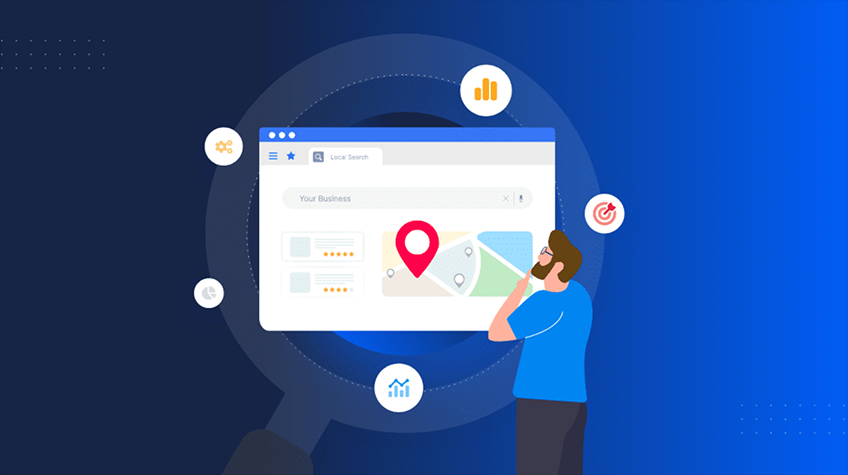
Local SEO is a secret weapon for small businesses trying to flourish in the competitive neighborhood. This helps your business appear in search results when people are looking for your products or services. Unlike traditional advertising, the local SEO does not demand a large -scale budget. Instead, strategic thinking and frequent efforts are required to ensure that search engines and potential customers can discover and trust your business. For a small business, especially a solopreneur, the key to success is visibility. Here we discuss Local SEO Hacks for Small Business Owners.
Claim and Optimize Your Google Business Profile
 One of the most effective local SEO hacks is optimizing your Google business profile. This often makes your business in local discoveries. Claim your list, verify it, and fill it completely. Add your business name, address, phone number, website, business hours and business category. Use high quality photos to show your products, scope, team, or even happy customers. Encourage satisfied customers to quit reviews, and always answer those reviews, whether they are positive or not.
Target Hyperlocal Keywords with High Intent
Generic keywords will not help your business stand in your area. Instead, go to Hyperlocal. Include your neighborhood, city or even road in your keyword. For example, instead of “hair salon”, go to the environmentally friendly hair salon “in coconut grove. These keywords can have low search volume, but they attract the right audience – people are ready to shop for you. Use tools such as Google Keyword Planner, Uber Suggestion, or even Google Autocrat to find relevant local search phrases.
Leverage Google Maps SEO for Physical Locations
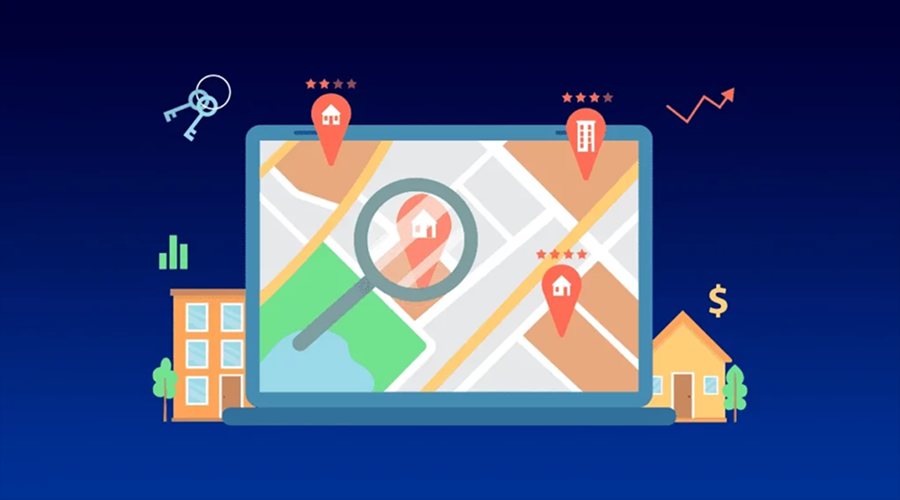
Being visible on Google Maps is vital if you operate a storefront or service area. To improve your rankings, focus on Google Maps SEO Services, which involve optimizing your presence within the Maps ecosystem. Ensure your business is accurately pinned, categories are correct, and contact details match your website and other listings. Citations are another way to boost your map presence. A citation is any mention of your business name, address, and phone number (NAP) on another website.
Encourage and Manage Customer Reviews
Customer review can make or break your local SEO strategy. Google uses reviews as a ranking factor, so more positive, recent and relevant review businesses rank more. Ask for reviews after a successful transaction or conversation. Make the process easier-write a follow-up email or provide a direct link. When you respond to reviews – especially negative, professional, humble and active. Add concerns with a solution and show appreciation to the response.
Optimize for Mobile Search and Voice Assistants

Build Local Backlinks from Trusted Sources
Backlink remains a strong ranking factor in the local SEO. But instead of targeting global websites, focus on creating links from local news sites, blogs, organizations and chambers of commerce. Sprinkle a local program, participate in a community drive, or paint in a local magazine to earn backlinks. In addition, consider guest posting on regional blogs or cooperate with nearby businesses. When your website is connected to reliable local sources.
Use Schema Markup for Better Local Visibility
Schima is a piece of code connecting on your website to help the markup (also known as structured data) to understand your content. This enhances your listing with rich snippets, which may include star rating, business hours, and other information that stands in the search results. Use local professional scheme to highlight your name, address, phone number, opening hour and service areas. If you want to do this, equipment makes it easier to implement implementation of Plugins such as Google’s structured data markup helper or rank math (for WordPress).
Create Local Content That Solves Problems
Content marketing is not just for big brands. Small businesses can use local content to build trust and drive traffic. Write blog posts, guides, or videos that address local problems or highlight community events. For example, a Miami pest control company might write “How to Deal with Mosquitoes During Miami Summers. This not only drives traffic but increases engagement, builds backlinks, and positions you as a go-to expert in your local niche.
Monitor Your Local SEO Performance Regularly
To see what’s working and what’s not, you need to track your local SEO efforts. Use tools like Google Analytics and Google Search Console to monitor traffic, keywords, bounce rates, and conversions. Check your Google Business Insights to see how many people are finding you through Maps, calls, or website visits. For more detailed analysis, platforms like SEMrush or Bright Local offer local-specific SEO audits and keyword tracking. Reviewing these insights monthly helps you identify trends and optimize future campaigns for better results.
Register Your Business Legally and Locally
Legitimacy is key to trust—both for customers and search engines. If you haven’t yet done so, complete your Company Registration in Miami. A registered business gets more trust from directories and Google when verifying your details. Having a business license, EIN, and physical address listed publicly also helps with local citations and verification. Legal registration is one of the easiest ways to boost your credibility and stand out from fly-by-night competitors.
FAQs:
What is local SEO and why does it matter for small businesses?
Local SEO helps your business appear in local search results, increasing foot traffic, phone calls, and leads from nearby customers.
2. How can I improve my local SEO quickly?
Claim and optimize your Google My Business profile, add local keywords, get customer reviews, and ensure NAP (Name, Address, Phone) consistency.
3. Do online reviews affect local SEO?
Yes! Positive reviews improve your local ranking and build trust with potential customers. Responding to reviews also boosts visibility.
4. Is it necessary to add local keywords on every page?
It’s best to include local keywords in titles, meta descriptions, and content on key pages like the homepage, contact, and services.
5. How important is mobile optimization for local SEO?
Very important. Most local searches happen on mobile devices. A fast, mobile-friendly website improves user experience and rankings.