Social media marketing is using social platforms to connect with your audience, grow your brand, promote your products and achieve business goals. But unlike traditional ads on TV, magazines, billboards and other media, it’s about two-way dialogue rather than one-way messaging. Your strategy then, is about getting the best out of each platform, outlining the outcomes you want (followers, interactions, or conversions) and the roadmap you’re going to take to get there. This could include anything from influencer partnerships to creative approaches, post volume, and more. Here we explore how to start social media marketing.
Social media marketing isn’t new — it’s existed in some form since the early 2000s. But even though it isn’t a new strategy, marketing for social media still offers many benefits for brands.
Increase brand awareness
According to 2025 research by Kepoos, social media users now number 5.24 billion. That’s a huge global audience for you to engage with. Using a tailored social strategy, you can showcase your brand on a range of platforms. This can help boost brand awareness among your target audience, but also with social media users more generally.
Generate leads and customers
Your customers are searching for brands on social media during the purchase process, and about 27.3% of users are on social media to find products to buy in 2025. This is set to rise to 31.71% by 2029. Social media also offers more context about your products, which can increase both web traffic and sales.
Save on marketing expenses
You don’t have to spend a dime on your social media marketing if you don’t want to. Sure, you need to invest time and resources into creating content, but organic social media content is more affordable than other marketing strategies. It’s worth noting that certain platforms have a stronger organic engagement rate than others. For instance, TikTok has a 2.5% average engagement rate, while Instagram is around 0.5%.
Foster relationships with your customers
Before social media, most businesses were large, faceless entities that consumers couldn’t interact with. But social media gives you the option to humanize your brand with one-on-one customer conversations at scale. Over time, you can build real connections that lead to long-term brand loyalty.
Understand your target audience’s needs
Social media gives you a direct line to your customers. It’s a priceless opportunity to learn more about the people who support your business — and what they want to see.
The Adobe AI and Digital Trends Report sheds important light on the state of social media marketing in 2025.
Critical growth driver
Over 60% of senior executives believe that boosting customer engagement through personalized marketing experiences will be critical to growth in 2025.
Personalization gap
Almost 80% of consumers expect seamless experiences across digital and physical channels (including social media), but only 45% of brands currently meet this expectation. If you’re serious about reaching new customers, then personalization is a great way to go.
Content scaling
43% of marketing practitioners anticipate increased pressure to scale content output while keeping social media content personalized and relevant.
Engagement and conversions
44% of marketing practitioners expect increased demand to drive engagement and conversions on social media in 2025. This reflects the increasing pressure on marketers to demonstrate return on investment (ROI) from their social media efforts.
AI personalization
Vanguard, a company mentioned in the report, saw a 264% increase in organic traffic and a 176% increase in quality engagement after implementing AI-driven personalization on its website and social media channels. This demonstrates the potential return on investment from effective social media personalization.
Now you’ve got clear background info, it’s time to build your strategy. Here’s how to get started.
Determine which social media platforms you will market on.
Resist the temptation to create a profile on every social network. At most, you likely need two or three to start out. Check your buyer personas to see which platforms your audience uses most often.
Set goals and KPIs to track performance.
You don’t need to track every single key performance indicator (KPI), just pick the ones that are the most important to your business development. You might include KPIs like:
- Reach. This metric measures how many unique users saw your content.
- Impressions. This is the number of times your content appeared, including repeat views.
- Engagement. This one assesses how often people interact with your posts. It’s measured by the interactions on your post divided by total impressions.
- Followers. This KPI measures how many people subscribe to your brand’s content on social media. It’s a decent indicator of audience interest.
- Profile visits. These are the number of times people visited your main profile.
- Shares. These are the number of times users reposted your content to their own social media feeds.
- Mentions. These are how often users tag you in their content. This is a common metric on platforms like Instagram, Twitter, and TikTok.
Create useful and interesting content.
You don’t want your social media feed to morph into spam. Your content needs to entertain or educate your followers — otherwise, they won’t stick around.
- Minimally promotional. Yes, people need to know about your brand’s offerings but keep the sales pitches to a minimum.
- Shareable. Your content needs to be interesting enough that people feel compelled to share it with other users — both on and off the platform.
- Unique. By and large, your social media content needs to be different from what’s on other brands’ feeds. It’s okay to follow trends but always give them your unique spin.
- Diverse. Don’t fall into the trap of repeating the same types of content. Use different formats and topics to keep things fresh.
Organize your posts in a calendar.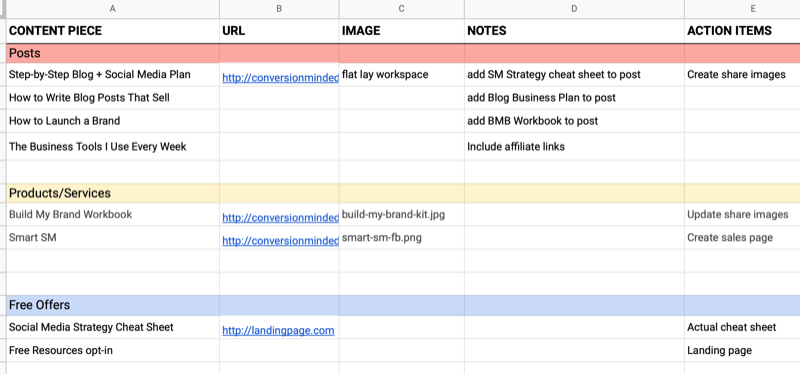
Whether it’s a social media scheduling tool or a simple spreadsheet, a posting calendar ensures you create content on a regular, predictable schedule. Pre-plan for the week, month, quarter, or even the entire year at once. This helps you take advantage of seasonal content and reduce the burden of daily content creation.
Assess and update your strategy regularly.

No strategy is set in stone. Things change, and your social media marketing strategy should flex to fit current conditions. Don’t be afraid to let go of content or approaches that aren’t working. Check your analytics regularly to see if you need to make any adjustments. Your metrics will tell you which posts were more successful, when your audience is online, and other essential data.
FAQs:
What is social media marketing?
Social media marketing is a technique that uses social networks to spread out brand awareness or promote a particular brand.
How can social media marketing help your business?
Social media marketing helps your business by establishing a social media presence throughout major platforms, thus, creating a campaign that will boost your sales and ROI.
What are social media platforms used in social marketing?
The most popular social media platforms used in social marketing these days are Facebook, Instagram, Twitter, Pinterest, LinkedIn, and YouTube
How can you remarket on social media platforms?
You can remarket on social media through posting an ad showcasing your product/services or create a sponsored post on social media, either which, you can draw back customers to your page.
How can ads influence more people in your social campaigns?
Ads are made to mainly persuade people to purchase something. Advertising also triggers a customer’s buying decisions, especially when used in social campaigns.
Why should you layer your targeting options?
Layering your target options will make your audience more specific, prompting you to meet the ‘right’ audiences.