
Keyword research is equal parts art and science. It’s essential to consider the way customers search for keywords online and also dig into hard data to understand what your customers are looking for and how to focus your content creation efforts to reflect their searches. With time, experience, and the right tools to guide the way, you will quickly improve your list-building skills to conduct keyword research like a pro. If your company is creating content but doesn’t have an active SEO strategy, you’re driving blindfolded. Here we discuss how to do keyword research
Why Is Keyword Research Important?

Keyword research is the cornerstone of your SEO efforts. It shows how your audience thinks, what they want to see, and what their pain points are. This research will help you produce content that brings value to your audience and help them convert from audience to active customer. Furthermore, keyword researching helps you focus not on what you want to tell your customer. Instead, it aligns with what they want to hear. This will help you address your customers’ needs more efficiently. But even more, it will assist you in your efforts to better your product and even develop new ones.
Essential Factors You Need to Know
Refining your keywords and finding the one that will help you gather goes through several steps. However, first and foremost, you need to understand the different metrics and factors that affect your overall SERP position. You may have found the perfect keyword but still lack the ability to outperform your competitors. That’s where these elements come into play.
Relevance
Relevance is the cornerstone behind Google’s successful redirection. It’s also the concept behind the search intent metric, which you will find in some keyword tools. For example, a person looking for a carburetor may want to learn what this part is used for. Or they might want to learn how much it costs.

Authority
To make Google more inclined to share your link with others, you need to build up your authority. This is not that easy to achieve, as you have to establish yourself as a credible and authoritative figure on the market. Now, Google is not a conscious machine (at least not yet) that can determine whether you are authoritative, so they use a different strategy. The more people get to your website; the more authority websites share your content, and the higher your authority rate is. For example, if Forbs quotes you in an article regarding your industry, this is a good enough sign for Google that your business and website are legit.
Volume
Finally, there is the volume. You may rank at the top spot on a specific keyword, but you won’t get any traffic if no one is searching for this keyword. This is the volume of a keyword, which is the primary metric you will use to assess and choose the best keywords for your website.
Study Your Niche
Next, you should turn to researching your niche. Getting some industry-related keywords is fine, but the real gold is within your niche. These keywords will be most closely related to your business and are most likely to bring you the best results. Furthermore, they can give you some specific ideas that only apply to your business rather than the entire industry. The first step is to talk to your existing customers (if you have such). Ask them how they will describe your business, brand, service, products, and website. Ask them how they would search for you on the internet.
Make a list of relevant topics
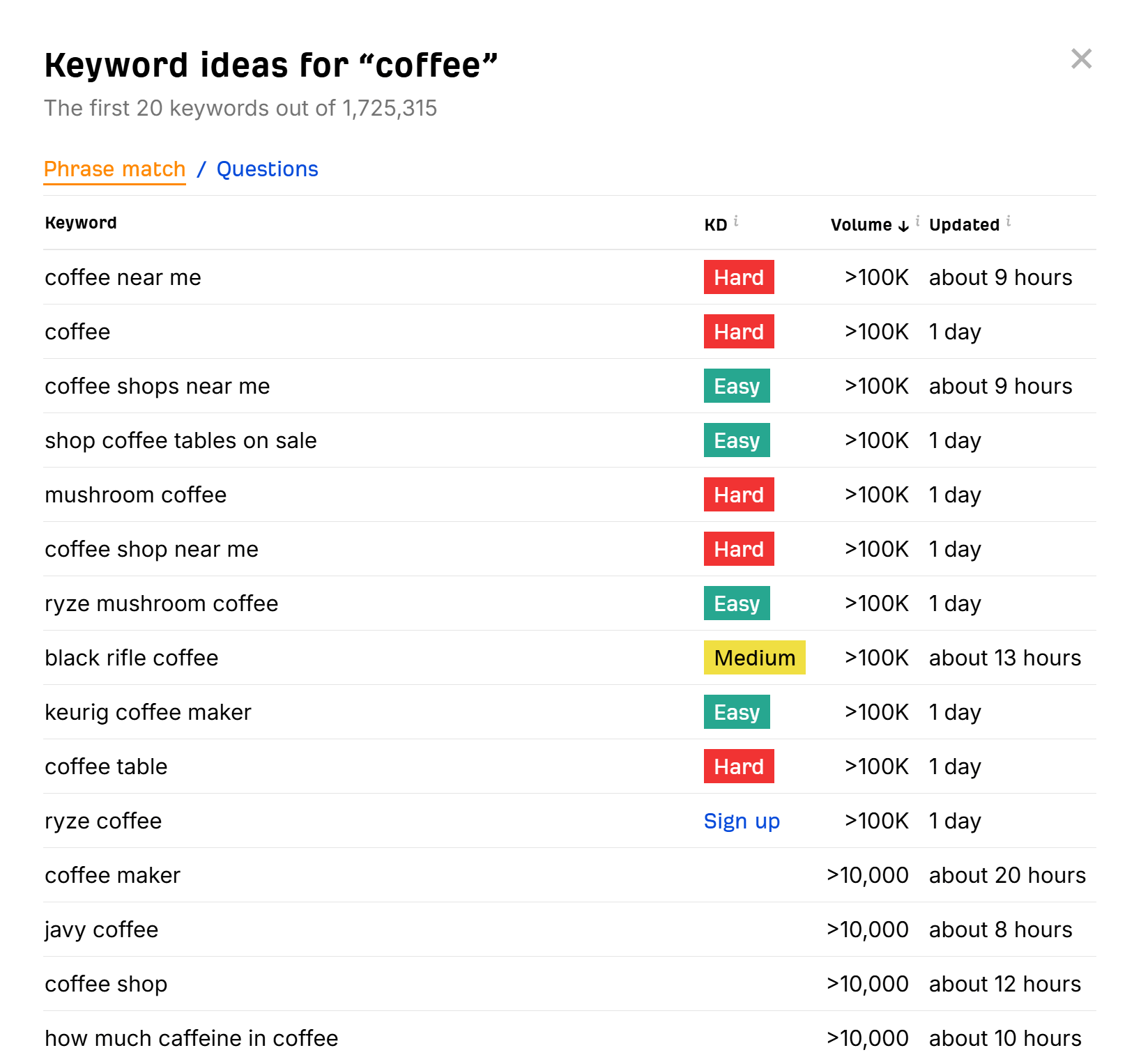
Based on the main category of your brand and the goals you aim to achieve, break it down to smaller topic buckets. Make a list of all the topics related to your brand that you want to rank on Google. For example, if you’re an FMCG brand specializing in men’s personal care products, some topics that are related to your brand can be:
- men’s facial wash
- antiperspirant deodorant
- male pattern baldness
They need to be topics that are important to your business and related to your buyer personas. Think about what type of topics will your target audience search for on Google? These topic buckets can then later be broken down to keywords that are related to those topics.
Create a list of seed keywords

Now that you’ve broken down your main category to different buckets of sub-topics, you can start creating a list of seed keywords. These keywords need to be related to your various topics, and more importantly, are terms that your target audience might be searching on Google. Seed keywords, or focus keywords, are important as they will become the foundation of your keyword research. They define your niche and identify your competitors. All you need to do is describe your offering as simple as possible and brainstorm how other people might search for it on Google.
Use good keyword research tools
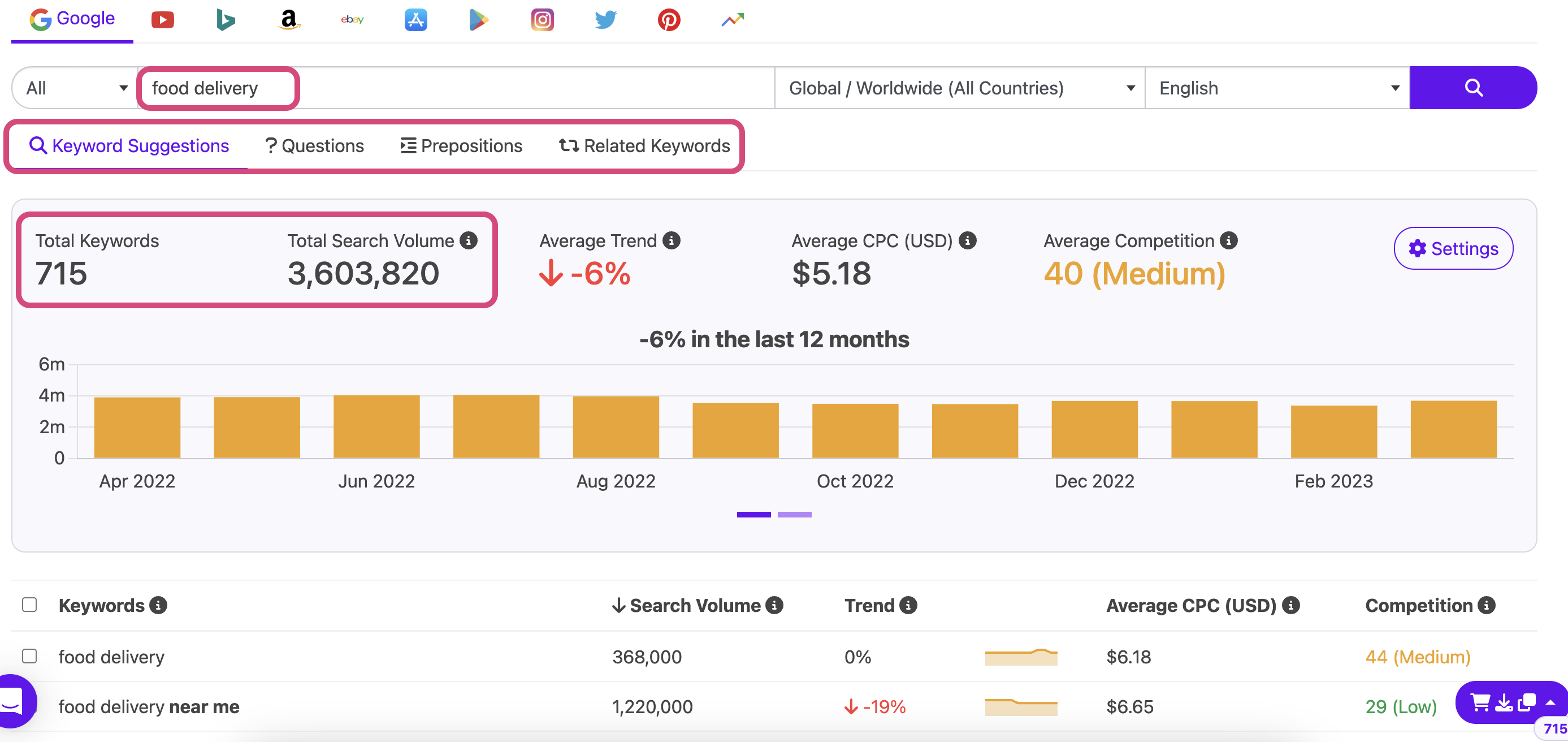
You might assume, “shouldn’t keyword research begin with using a keyword tool?” There’s no right or wrong answer there, to be honest. But there is an obvious advantage to researching search terms from your brand or business perspective first and foremost. It avoids you from getting too bogged down with keywords and helps you gain a wider perspective for your content and SEO strategy. Once you have identified your goals, topics, and a list of seed keywords, it’s time to use keyword research tools to further refine your search terms.
Study the search intent
Plugging in high-volume keywords to bump up rankings for a page used to work pretty easily. But it’s not so simple anymore these days. Today, Google’s machine learning search algorithms compare search terms with user queries to learn about search intent. Search intent is defined as the intent or reason behind why people search for a specific term. There are many driving factors behind people’s search habits, such as:
- Why are they searching?
- Are they searching because they have a question and want an answer to that question?
- Are they searching for a specific website?
- Are they searching because they want to buy something?
Try to put yourself in your target audience’s shoes. Why would they search for your topic? How will they key in the terms? Are they looking to buy something? Or are they looking for a service to solve a specific problem?
Identify long tail keywords
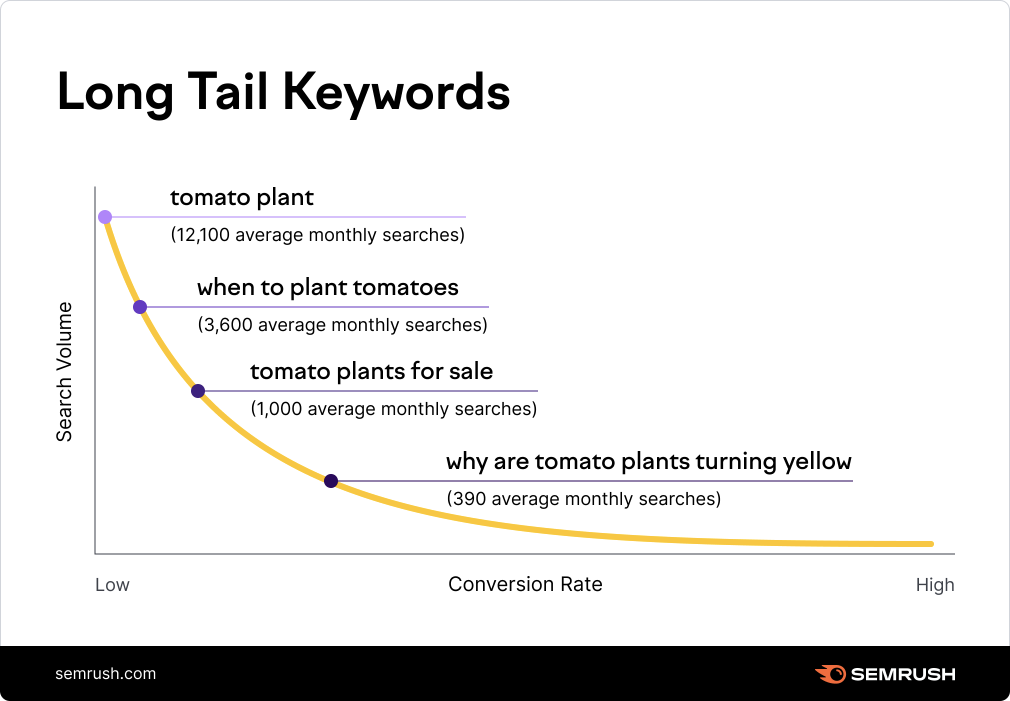
Seed keywords are often shorter search terms that are closely related to your brand’s main topic or category. Long tail keywords, on the other hand, are more descriptive and often related to your brand’s smaller buckets of sub-topics. Matching your target audience’s search intent to long tail keywords is far easier compared to seed keywords. Long tail keywords usually get fewer clicks, but since they are focused on a specific topic or product, they often get a higher conversion rate.
Find out about your competitors
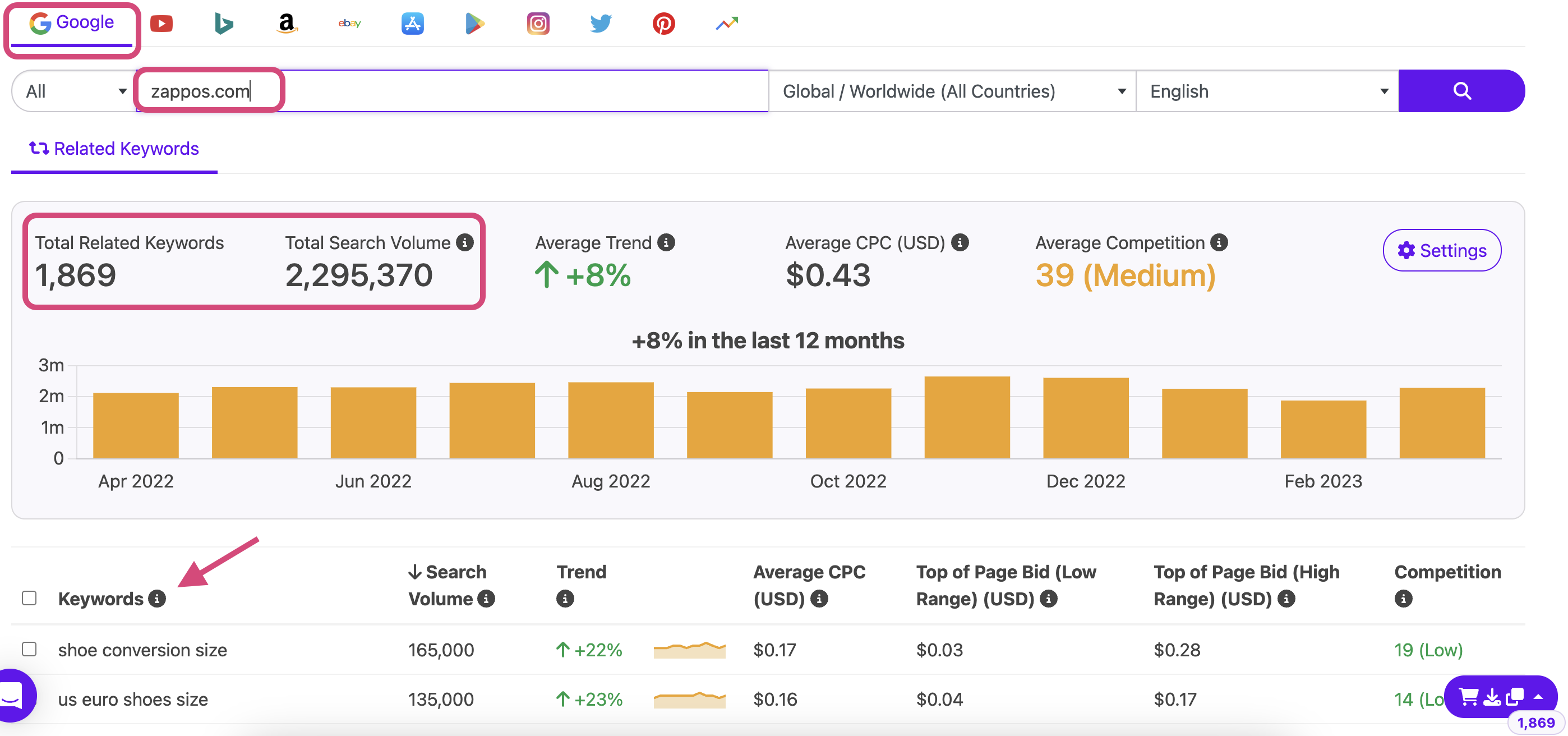
Doing keyword research on Google about your brand alone is not nearly enough. You also need to be aware of what your competitors are doing. The better you understand the content landscape of your industry, the better it will be for your SEO. Understanding the competitiveness of different keywords will also allow you to identify search terms that might be too difficult to rank. But most importantly, you will be able to find keyword opportunity gaps. These opportunities occur when you find related keywords that are related to your brand or industry with low to medium competition level.