Affiliate marketing is your chance to earn a steady commission by promoting branded products to your audience. Your objective as an affiliate marketer is to create content that aligns with customer expectations and enables sales for your partnered affiliate business. To become a next-level affiliate marketer, take the time to master affiliate marketing keyword research. Climb the ladder of the top user search results with the knowledge and tools to track the best keywords in a niche you’re passionate about. In this blog post, we’ll guide you how to Do Keyword Research for Affiliate Sites.
What is keyword research for affiliate marketing
Keywords are relevant words or short phrases that online users type into their search bar to look for information or find a service. Keywords carry a specific search intent made by the user – a result they’re trying to accomplish. As an affiliate, you aim to advertise your affiliate link and gain a commission off the final sale. Keyword research helps you find and use keywords in your affiliate blog, YouTube video, social media post, etc., that optimize your web page and increase user traffic. Affiliate keyword research, in essence, analyzes the following questions:
- Is the keyword appropriate for your business and niche?
- What is the keyword’s monthly search volume?
- How high is the competition for the selected keyword?
- Does the keyword produce consistent traffic over time?
- What should your keyword density be in affiliate marketing content?
Why is keyword research important
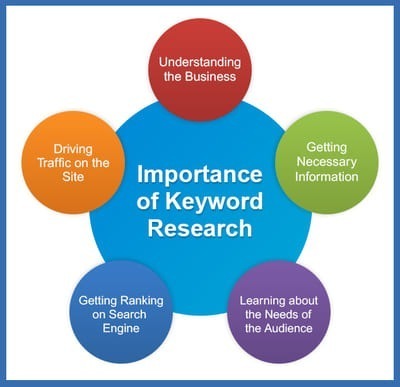
Keyword research predicts user search intent. Affiliates parse popular keywords to connect customers to their products and inform their decision. In essence, keywords get people to click on your site. Good keyword research should result in better traction, more conversions, and more money. Keywords are the language of a search engine algorithm. As you seed keywords into your affiliate blogs and content, the algorithm decides whether your website fits a specific target audience search suggestion. The process of maximizing user traffic to your affiliate site is called search engine optimization (SEO).
- Metadata – page titles and description tags, and other unseen HTML elements.
- Authority – internal links to reputable sources and external backlinks to your content from other websites.
- Usability – website readability, load speeds, optimized user interface, and a clear search filter for sub-pages.
- Location – website domain, data location, and geographic area.
- Activity – frequency of new content and updates to existing information.
How to do affiliate marketing keyword research in 4 steps
Start with selecting a niche

A market niche is a topic or collection of terms that denote products, services, or interests appealing to a small and specialized demographic. Your aim as an affiliate is to find a niche that relates to your affiliate products and gives visitors more market insights. Affiliate marketers use keywords to create marketing about a niche topic appealing to potential customers. That niche is selected from a larger sub-market with a broader target audience. The market exists in a core industry that manufactures or provides specific products or services:
- Sub-market is the group of people you want to target with your affiliate marketing – your ideal clients in a given industry.
- Niche is your area of expertise – the solutions you can offer to specific client problems within the sub-market.
Think about the search intent

Finding keywords isn’t purely mathematical. You can research keywords with high monthly traffic and low competition, but if they fail to answer what the customer wants in a simple Google search, there will be no point in pursuing the topic. Google takes keyword analysis a step further by predicting the relevance of the search and what the user is more likely to expect. Search engines offer keyword suggestions and content that aligns with popular demand. For example, it’s more likely that a user searching for “Coachella” wants to learn about the music festival rather than the city in California, so the first result you get is event dates.
Pick a tool for affiliate marketing keyword research

We’ve discussed keyword types, user search intent, and market niches. Now, let’s talk about the tools you can use to find related keywords and narrow your search. Keyword research tools are software that analyzes and lists crucial keyword metrics – search volume, competition, type, keyword density, etc. – to help you predict how well a keyword will generate more conversions. Let’s list a few excellent keyword-tracking tools and their advantages for your affiliate marketing strategy.
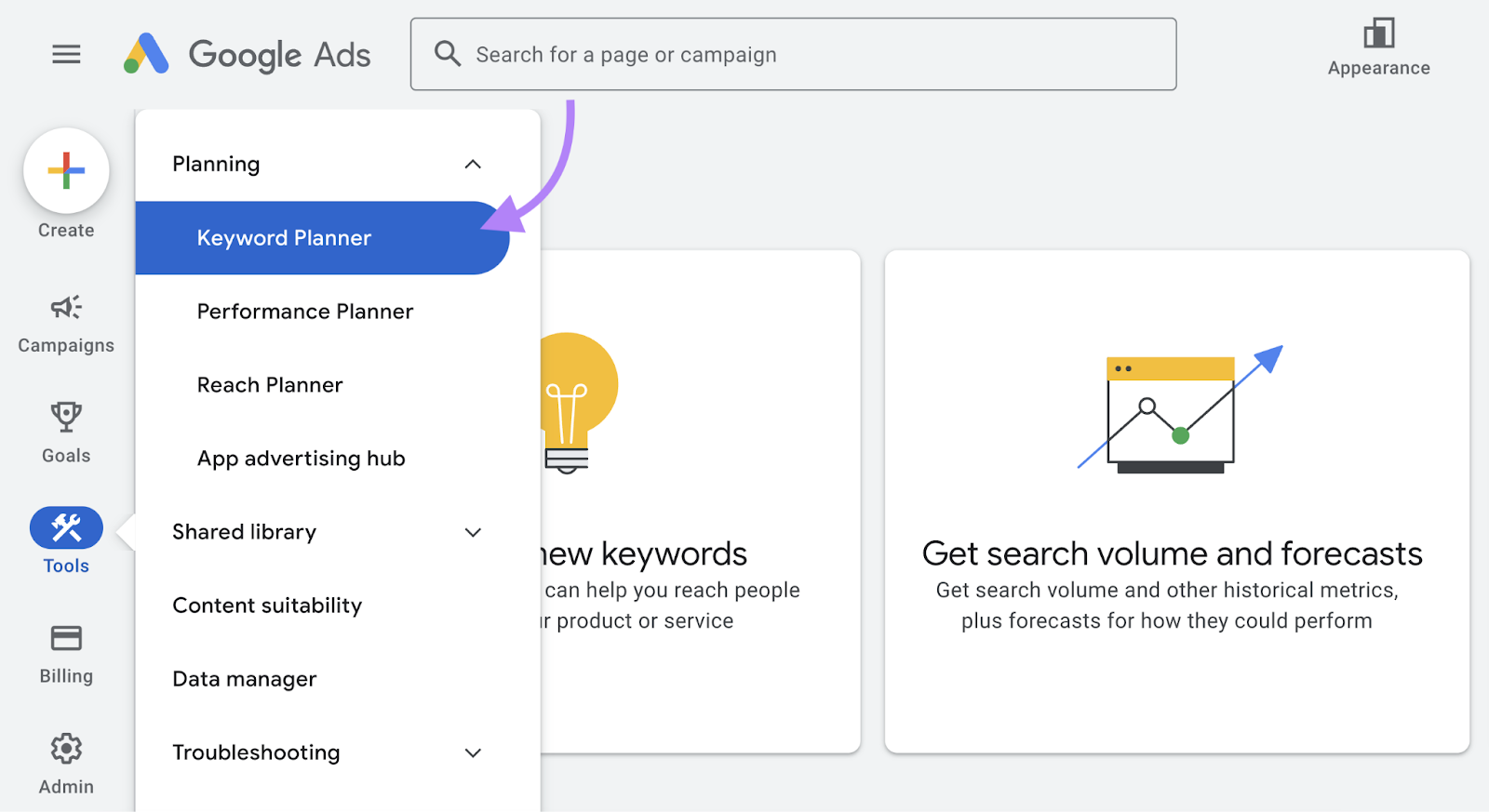
The Google Keyword Planner offers insights into keyword frequency and difficulty and provides the option to search for new keyword suggestions and ideas. First, set up a Google Ads account. You don’t need to run an ad campaign to access the keyword research function. Once you’re logged in, find the menu bar, go to Tools, and click Keyword Planner. To search for keyword ideas, click Discover new keywords. To analyze a related keyword’s volume, competition, clicks, and impressions, click Get search volume and forecasts. Type in a long list of keywords to get closer results.
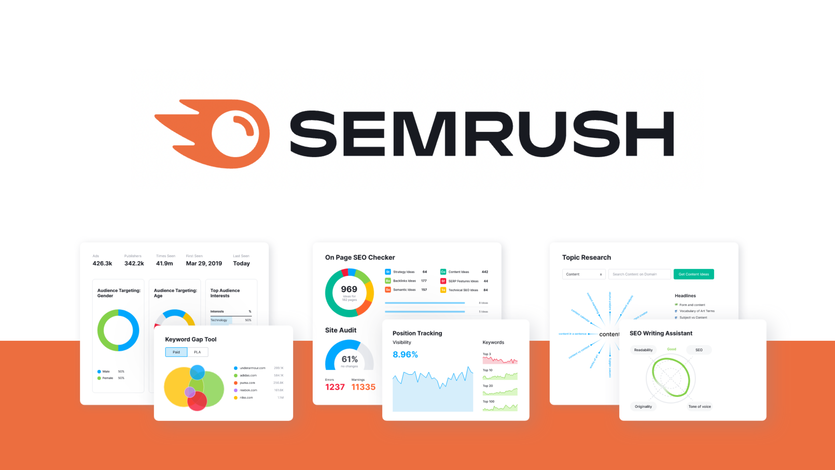
The SEMRush Keyword Magic Tool applies more focus on keyword formatting types: long-tail keywords and broad keywords. Long-tail keywords consist of added search terms – “buy”, “for sale”, “discount”, “best”, etc. – that enhance the context of the search. Long-tail keywords affect search metrics in three ways: they offer less competition, are closer to customer intent, and give more insights into affiliate content ideas. You can access the SEMRush keyword research tool through their Keyword Analysis sub-menu. O
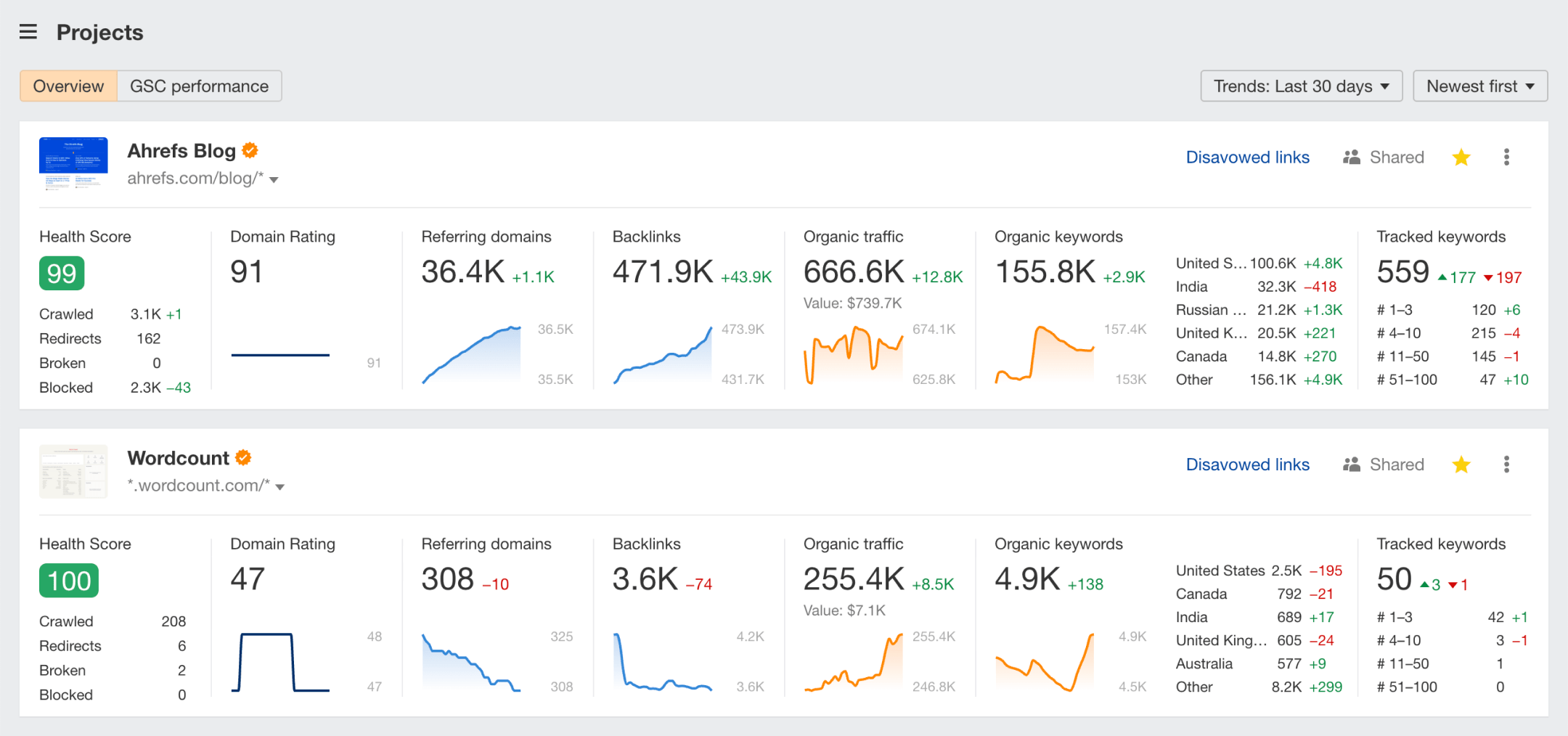
The Ahrefs Keyword Explorer is an exceptionally optimized search tool that provides direct keyword traffic volumes from ten leading search engines, including social media sites. You can enter multiple keywords and generate specific ideas through their dedicated filters.
Decide what type of affiliate keywords to target

In affiliate marketing, you can categorize profitable keywords into two basic elements: keywords that can be used to plug your products and topics that people are already searching for. Through your research, you can begin to speculate which topics offer your brand the most advantage and how certain keywords work well with your message. Should you compare products and brands, write detailed reviews, or build authority through non-commercial topics?
General Comparisons:
Keywords fall into the general comparison category when searchers want to find the top product in a given category:
- Best wireless headphones.
- Best Google extensions.
- Best graphic t-shirts.
Branded Comparisons:
Branded comparisons focus on particular products or companies. Searchers use branded comparison keywords to compare individual product line-ups or competing company releases:
- iPhone 14 vs. iPhone 14 Plus
- Hanes vs. Fruit of the Loom Undershirts
- Etsy vs. Shopify