Introduction
E-commerce has transformed the way that businesses interact with their customers and sell their products. Consumers should comparison shop, read reviews, watch product demos, and shop online. “Content marketing is a competitive field and you need to be able to differentiate yourself.
Content marketing is the creation and distribution of valuable information designed to attract the right audience and generate profitable customer action. This includes blog posts, product descriptions, photos, videos, customer reviews and email newsletters. The most important thing: produce helpful, reliable, people-oriented content that adds real value for your reader.
Content marketing supports e-commerce by enabling companies to communicate the value of their products and respond to customer questions before they buy. Because customers cannot touch and feel products online, clear descriptions and demonstrations, as well as helpful guides, can reduce uncertainty. Content that is consistent and relevant can help a business to distinguish itself from the crowd and encourage customers to return to its website.
2. Developing an E-commerce Content Marketing Strategy
2.1. Set Clear Goals
Businesses need to set goals that are SMART – specific, measurable, achievable, relevant and time-bound. This could be to increase brand awareness, generate leads, increase sales or to drive traffic to a website. For instance, an e-commerce store may set a goal to grow organic visits to their website by 20% over the next 3 months. Businesses can keep track of their progress and spend their money in the most efficient way by setting clear objectives.
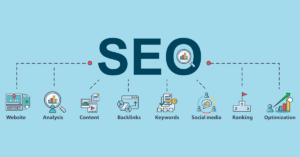
How to Optimize images for search engines
2.2 Know Your Target Audience
Researching your audience will help a business know more about the customers, their interests, their budget, their preferences and how they shop. You can find lots of information from surveys, website analytics, comments on social media and customer reviews. Like an online clothing store for college students, offering ideas for cheap outfits, seasonal fashion tips and styling videos.
2.2.1 Knowing the Buyers Journey
Knowing the customer buying journey helps you to serve the right content at each stage of a purchase. A customer may find a product first on social media, then read blogs and reviews to compare alternatives and finally go to a product page to decide. Businesses have to produce content to support these stages. For example, informative articles can attract new visitors, comparison guides can help customers evaluate their options, and clear product pages can lead to sales.
2.3 Select Appropriate Content Types
Companies should select formats that align with their objectives and the preferences of their audience.” The blog articles contain detailed information and the product descriptions describe the features. The videos demonstrate how to use the product. Customer reviews are intended to allow potential customers to evaluate products and email newsletters are intended to communicate updates and relevant offers. Content must be interesting, accurate, informative but not too salesy.
Brands need to have a consistent brand voice across types of content. Information becomes easier to grasp with the use of plain language, relevant examples, and quality visuals. Content should be true to the product and the audience not taste of the month. This technique helps the business to keep the customers engaged and to get its message across.
2.4 Build a Content Calendar
A content calendar is a schedule of topics, publishing dates, platforms and who does what. This helps businesses maintain on-brand consistency and plan for seasonal campaigns or product launches. A good schedule would be to blog once a week, and to update your social media regularly. Edit and revise content based on client feedback and available resources.
2.5 Search Engine Optimized Content
Search engine optimization (SEO) is the process of increasing the likelihood that your products will be found by consumers when they are searching for them on search engines. Companies should use alt text for meaningful images, find relevant keywords, write descriptive titles and create useful product descriptions. Websites should also provide a good mobile experience. Use keywords properly. Your content should be answering real questions you customers have.
2.6 Promoting the Content Marketing &Trust Building
Social media platforms are helping reach out to prospective customers and promote interaction. Email marketing allows you to communicate with your subscribers. Trust is built on real reviews, transparent prices, accurate images of products, easy delivery information and fair return policies. Businesses should also respect customer privacy and obtain proper permissions to use material generated by customers.
2.6.1 Customer Engagement & Personalization
For each customer, personalized content can bring relevance to the shopping experience. After a purchase, businesses can recommend related products, or send newsletters based on customer interests or useful tips. But personalization should respect the customer’s privacy and use personal information responsibly. It also provides businesses with the opportunity to build relationships with customers by responding to comments, answering questions and tackling complaints.
2.7 Performance Evaluation
Companies need to follow visits, engagement, conversion, sales and repeat purchases on sites. Analytics instruments can help you see what content is working and where you need to make changes. If a product guide is attracting the right visitors, for example, consider updating it or promoting it elsewhere. Regular evaluation supported companies to adjust their strategy by providing measurable proof.
Summary
To run a successful e-commerce content marketing campaign, you need to have defined goals, research your target audience, produce quality content, advertise consistently and monitor performance. Businesses may improve their online presence, help consumers decide what to buy and build long-term relationships by providing reliable information and fulfilling customers’ needs. Selling is only one piece of good content marketing. It’s all about adding true value for your clients.