Search Engine Optimization (SEO) is the heartbeat of digital visibility. It helps your content rank higher on search engines like Google, driving organic traffic and boosting your brand’s online presence. However, while SEO has become a must-have in digital marketing, many businesses and creators continue to make basic mistakes that limit their reach, reduce engagement, and ultimately cost them conversions. These mistakes can come from a lack of knowledge, outdated practices, or the temptation to take shortcuts for quick results. Understanding these errors—and knowing how to avoid them—is crucial for anyone who wants long-term SEO success. In this article, we’ll break down 10 Common SEO mistakes & how avoid them.
1. Ignoring Keyword Research

Keyword research is the foundation of any successful SEO campaign. Without it, you risk creating content that no one is searching for. Many people mistakenly believe they already “know” what their audience is looking for, which leads to targeting either overly competitive terms or irrelevant phrases. As a result, your pages may not rank well, leading to low traffic and wasted effort.
How to Avoid:
-
Use tools like Google Keyword Planner, Ahrefs, Ubersuggest, or SEMrush to uncover high-volume, low-competition keywords.
-
Focus on long-tail keywords, which are more specific and less competitive.
-
Understand search intent: Are users looking for information, a product, or a solution?
-
Regularly update your keyword strategy to adapt to changing trends and search behaviors.
2. Using Duplicate or Thin Content
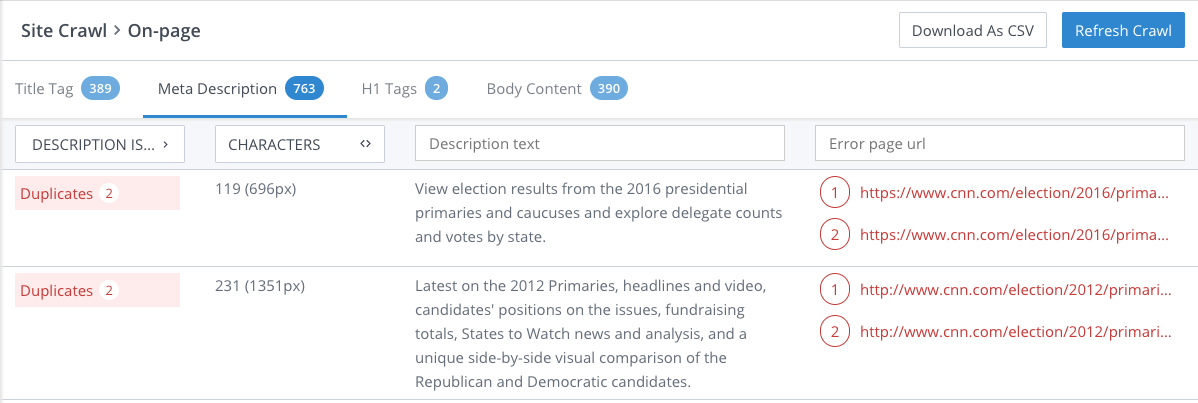
Search engines prioritize unique, high-quality content that provides value to users. Publishing duplicate content—or content that lacks depth—can result in penalties and poor rankings. Thin content usually fails to satisfy user queries, leading to higher bounce rates and lower trust from search engines.
How to Avoid:
-
Always write original content tailored to your audience’s needs.
-
Use tools like Copyscape or Grammarly to check for duplication.
-
Expand your content with examples, case studies, data, and actionable advice.
-
Perform regular content audits to remove or improve underperforming pages.
3. Neglecting On-Page SEO
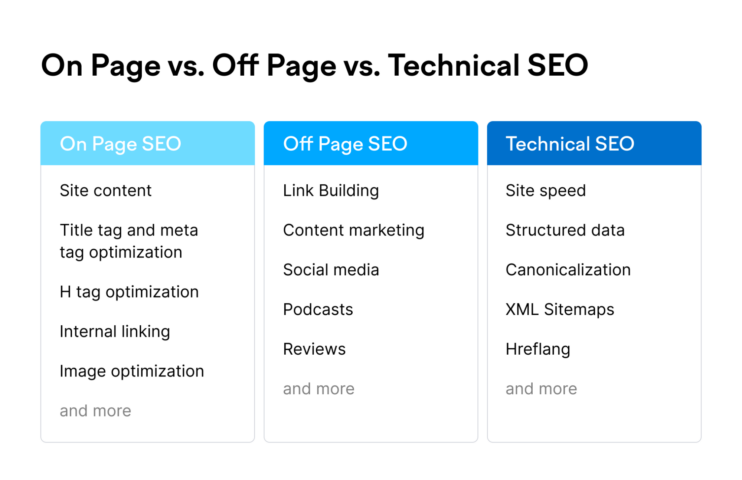
On-page SEO refers to optimizing elements directly on your website pages—such as titles, headers, URLs, and images—to make them more attractive to search engines. Ignoring these elements weakens your visibility, even if your content is top-notch.
How to Avoid:
-
Include your primary keyword in the title tag, H1 heading, meta description, and first 100 words.
-
Structure content using H2 and H3 headers to improve readability and SEO.
-
Write SEO-friendly URLs: short, descriptive, and keyword-rich.
-
Use alt text for images and optimize image sizes to boost page speed.
4. Not Optimizing for Mobile Devices
With mobile-first indexing now standard, Google ranks your website based on how it performs on mobile. If your site isn’t mobile-friendly, it will suffer in the rankings—even if it performs well on desktop.
How to Avoid:
-
Use a responsive web design that adjusts to all screen sizes.
-
Avoid cluttered layouts, small fonts, and unclickable buttons.
-
Test your site on different devices using Google’s Mobile-Friendly Test.
-
Ensure that page speed and user experience (UX) are optimized on mobile.
5. Ignoring Technical SEO

Technical SEO ensures that your website’s infrastructure is built for success. Without it, even the best content won’t perform well because search engines can’t effectively crawl, index, or render your pages.
How to Avoid:
-
Submit an XML sitemap to Google Search Console.
-
Use robots.txt files to control search engine access.
-
Regularly check for crawl errors, broken links, and duplicate tags.
-
Improve your site’s Core Web Vitals, including LCP (Loading), FID (Interactivity), and CLS (Visual Stability).
6. Overlooking Page Speed
Website speed has a direct impact on both SEO and user experience. Slow-loading pages increase bounce rates and reduce engagement, which are negative signals to search engines. Users expect websites to load in under three seconds.
How to Avoid:
-
Use tools like Google PageSpeed Insights, GTmetrix, or Pingdom to identify speed issues.
-
Compress and optimize all images without sacrificing quality.
-
Minify JavaScript, CSS, and HTML files.
-
Use browser caching and a Content Delivery Network (CDN) to serve pages faster to users in different locations.
7. Stuffing Keywords
While keywords are important, using them excessively is a bad practice known as keyword stuffing. It makes your content unreadable and triggers search engine penalties. Readers will quickly bounce if the content feels forced or spammy.
How to Avoid:
-
Maintain a natural flow of writing—write for humans, not algorithms.
-
Use semantic keywords, synonyms, and variations to support your main keyword.
-
Aim for a keyword density of about 1-2%, depending on the length of the content.
-
Focus more on solving problems and answering questions than on keyword repetition.
8. Not Building Quality Backlinks
Backlinks from reputable sites signal to Google that your content is trustworthy. Many people either ignore backlinks altogether or use black-hat techniques that can result in penalties. A poor backlink profile can severely affect your domain authority.
How to Avoid:
-
Create high-value content that others naturally want to link to.
-
Use guest posting, interviews, or resource pages to earn backlinks.
-
Avoid spammy directories or paid links, which can harm your rankings.
-
Monitor your backlink profile with tools like Ahrefs or SEMrush, and disavow harmful links.
9. Failing to Monitor Analytics & SEO Performance

Many people launch SEO strategies and never monitor their progress. Without tracking, it’s impossible to know what’s working, what needs improvement, or how users are interacting with your site.
How to Avoid:
-
Set up Google Analytics and Google Search Console to track performance.
-
Monitor metrics like organic traffic, bounce rate, average session duration, and conversion rates.
-
Use data to refine your content strategy, keyword targeting, and UX design.
-
Create monthly or quarterly SEO performance reports to guide future decisions.
10. Skipping Content Updates
SEO is not a one-time effort. Many websites create content and never touch it again. But search engines favor fresh, up-to-date information. If your content becomes outdated, it will likely lose rankings and credibility.
How to Avoid:
-
Perform regular content audits to find outdated articles or broken links.
-
Update statistics, keywords, and media files (images, videos, etc.).
-
Repurpose existing content into new formats like YouTube videos, infographics, or social media posts.
-
Add new sections or FAQs to older articles to enhance value and relevance.