
On-page SEO is one of the most important factors in improving your website’s rankings. It involves optimizing elements within your website to make it more search-engine-friendly. Many beginners focus only on off-page SEO, like backlinks, but without strong on-page SEO, ranking high is difficult. Search engines analyze your content, structure, and user experience to determine your website’s position in search results. By following the right
on-page SEO techniques, you can increase organic traffic and improve your site’s visibility. This article will guide you the strategies through Best On-Page SEO Techniques for Beginners
Optimize Your Title Tags and Meta Descriptions
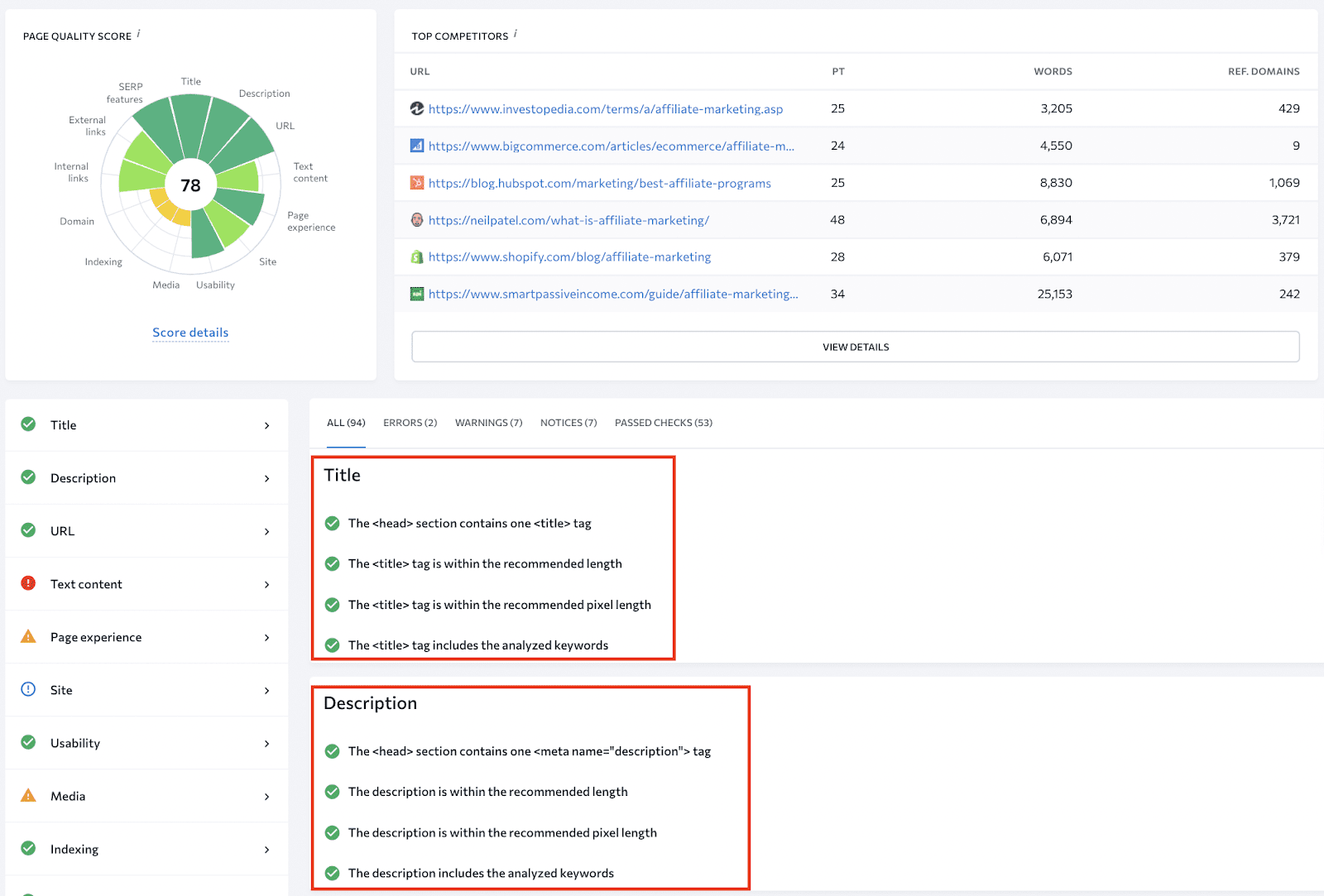
Title tags and meta descriptions are crucial elements of on-page SEO. The title tag is the first thing users see in search results, so it should be clear, compelling, and keyword rich. Google typically displays the first 50-60 characters of a title, so keeping it concise is essential. Meta descriptions, although not a ranking factor, influence click-through rates by summarizing the page’s content. Writing an engaging meta description within 150-160 characters can encourage users to click on your link. Ensure both elements are unique for each page to improve SEO performance.
Use an SEO-Friendly URL Structure
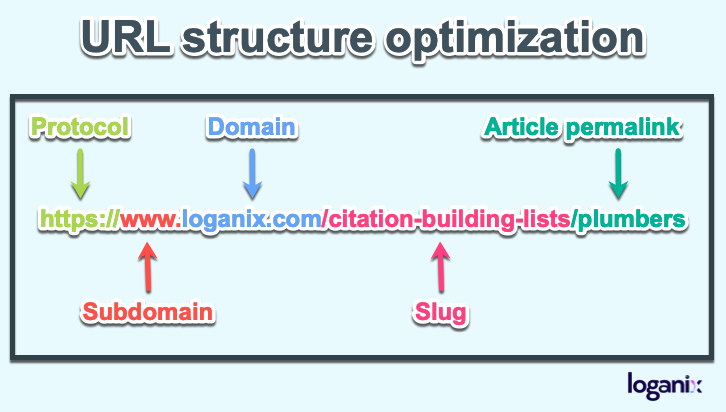
Your website’s URL structure plays a major role in on-page SEO. A well-structured URL is easy for both users and search engines to understand. Always use short, descriptive URLs that include your target keyword naturally. Avoid unnecessary numbers, special characters, and long strings of random text. For example, a clean URL like yourwebsite.com/on-page-seo-tips is better than yourwebsite.com/page?id=1234.
Using hyphens instead of underscores helps search engines recognize individual words. A clear and simple URL enhances user experience and boosts search rankings.
Avoid keyword stuffing
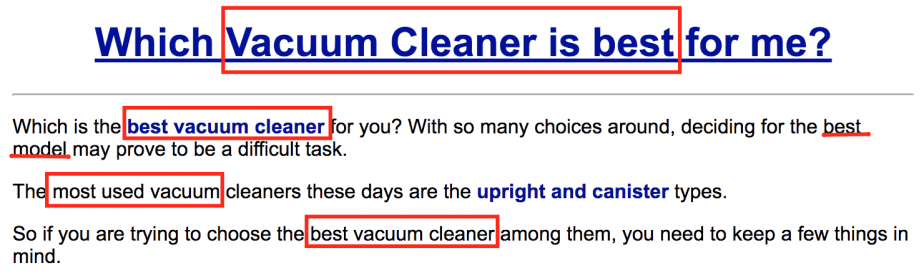
Content is the foundation of any successful SEO strategy. Search engines prioritize high- quality, original, and informative content that provides value to users. Your content should answer users’ questions and solve their problems while incorporating relevant keywords naturally. Avoid keyword stuffing, as it makes the content unreadable and can lead to penalties. Instead, use variations of your main keyword throughout the article. Engaging content increases dwell time, reduces bounce rates, and improves rankings. Adding images, videos, and infographics makes your content more interactive and appealing.
Optimize Images with Alt Text and Descriptive Names
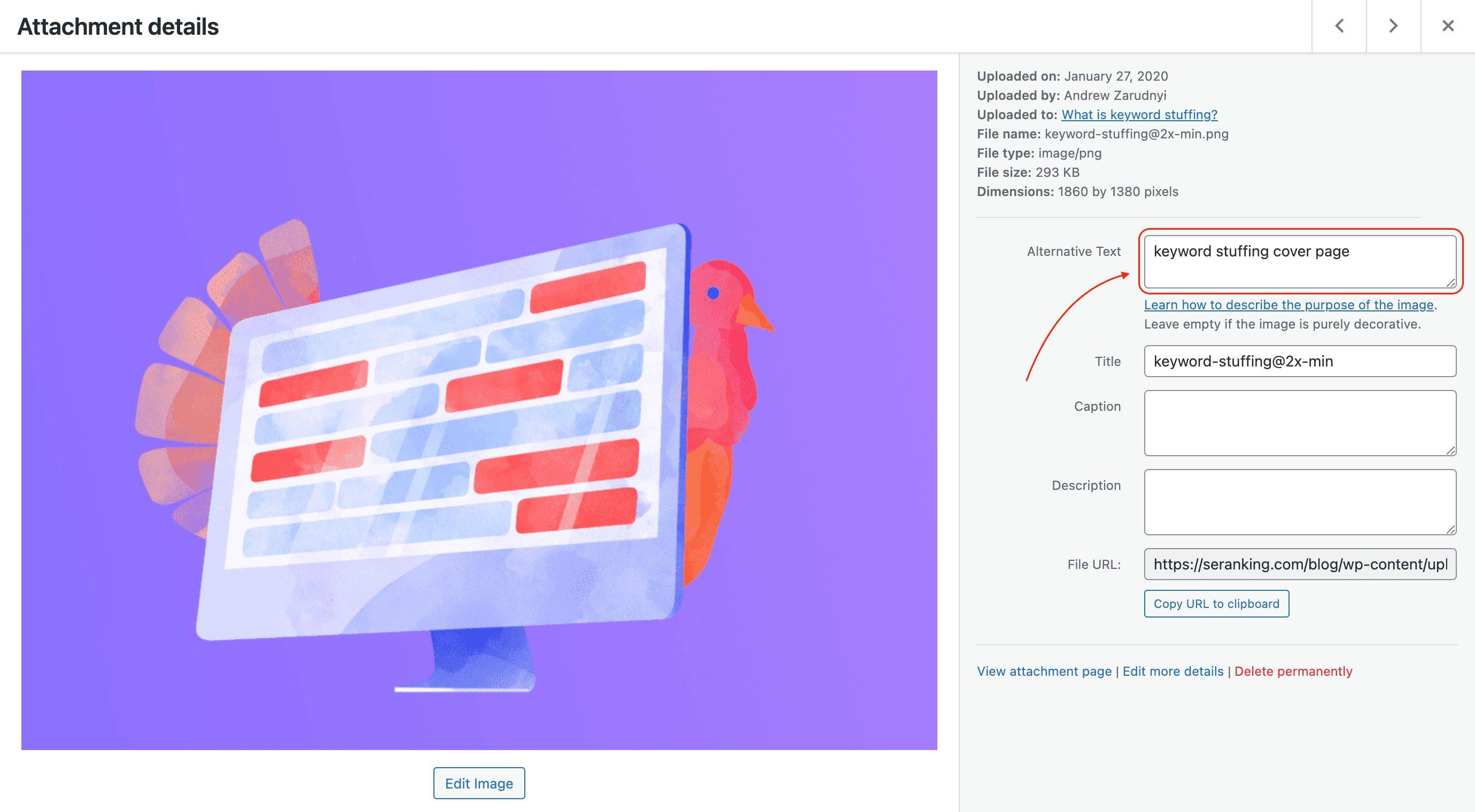
Images enhance your content, but they must be properly optimized for SEO. Large image files slow down page loading speed, negatively affecting rankings. Always compress images before uploading them to your website. Use descriptive file names instead of default names like IMG001.jpg—for example, on-page-seo-guide.jpg is more relevant. Adding alt text (alternative text) helps search engines understand what the image is about. Alt text also improves accessibility for visually impaired users. Optimizing images properly can improve rankings and increase traffic from Google Image Search.
Use Internal and External Links Effectively
Linking is a key part of on-page SEO that helps search engines understand your website’s structure. Internal links connect different pages within your site, making navigation easier for users. They also help distribute link authority and keep visitors engaged longer. When using internal links, ensure the anchor text is relevant and descriptive. External links, which point to high-quality sources, enhance credibility and show that your content is well- researched. However, make sure to link only to authoritative sites. Always set external links to open in a new tab to keep users on your site.
Optimize Headings and Content Structure
Properly structured content improves readability and user experience. Headings (H1, H2, H3, etc.) help break up content into sections, making it easier for users to scan. Your H1 tag should include the main keyword and clearly describe the topic. Subheadings (H2, H3) should organize content logically and help search engines understand your page’s structure. Well-organized content keeps visitors engaged and reduces bounce rates. Avoid overusing keywords in headings, and instead, focus on making them natural and informative. A well-structured article performs better in search results.
Use Schema Markup for Rich Snippets
Schema markup is an advanced SEO technique that helps search engines understand your content better. It enables rich snippets, which can display additional information like star ratings, FAǪs, and images in search results. Rich snippets increase click-through rates by making your listing more attractive. Beginners can use Google’s Structured Data Markup Helper to implement schema without coding knowledge. Common schema types include product reviews, recipes, and FAǪ sections. Adding schema markup improves visibility and can help your pages stand out in search results.
Quality Content
SEO is not a one-time task; it requires ongoing updates and improvements. Search engines favor fresh, updated content that remains relevant to users. Regularly reviewing your old content and making necessary updates can improve rankings. If an article is outdated, add new information, update statistics, and optimize it for current keywords. Refreshing content also signals to Google that your website is active and well-maintained. Updating your posts helps maintain their ranking positions and keeps your audience engaged.
FAQs:
-
What is on-page SEO?
On-page SEO refers to the practice of optimizing individual web pages to rank higher and earn more relevant traffic in search engines. -
Why is on-page SEO important for beginners?
It helps beginners understand how to make their content search-engine-friendly, increasing visibility and driving organic traffic. -
What are the key elements of on-page SEO?
Important elements include title tags, meta descriptions, URL structure, internal linking, keyword usage, and content quality. -
How many keywords should I use in my content?
Use 1 primary keyword and 2–3 secondary keywords naturally throughout your content to avoid keyword stuffing. -
How can I check if my on-page SEO is effective?
Use tools like Yoast SEO, SEMrush, or Google Search Console to monitor performance and ensure all on-page elements are optimized.