Ecommerce link building is the process of getting backlinks to your ecommerce website with the purpose of increasing the search engine ranking of your online shop for keywords related to your products. Backlinks are important for SEO because search engine algorithms consider them votes of trust. Websites with high-quality inbound links are more likely to rank higher in the organic search results. Here we discuss 9 Ecommerce Link Building Strategies.
Why Are Links Important for Ecommerce Websites?
Backlinks are important for SEO because search engine algorithms consider them votes of trust. Websites with high-quality inbound links are more likely to rank higher in the organic search results.
For an ecommerce website, this means:
- Stronger Domain Authority – high-quality backlinks increase the authority of a domain, leading to Google trust and higher rankings for product and category pages.
- More Credibility – Ecommerce websites appearing in the top positions of the SERPs are considered more credible by users, which creates several other benefits.
- More Targeted Traffic and Sales – Link building can help you rank for keywords with a commercial or transactional intent, which translates to more conversions and sales.
- Increase Visibility – Links help an ecommerce website appear in Google Shopping, Google SGE, and other products besides Google Search.
Building links to an ecommerce website is more challenging than ‘normal’ websites, and it is essential to follow tactics to earn links that can positively influence your rankings. Let’s look at the best-proven practices in more detail.
9 Ecommerce Link Building Tactics
1. Maintain An Active Blog
A properly optimized blog for your eCommerce website can help you get incoming links from highly trusted websites. To get links, you must publish high-quality content so that other webmasters naturally link to your blogs. Links pointing to your blog pages will strengthen your domain and indirectly improve your product pages’ rankings using internal links (as shown below).
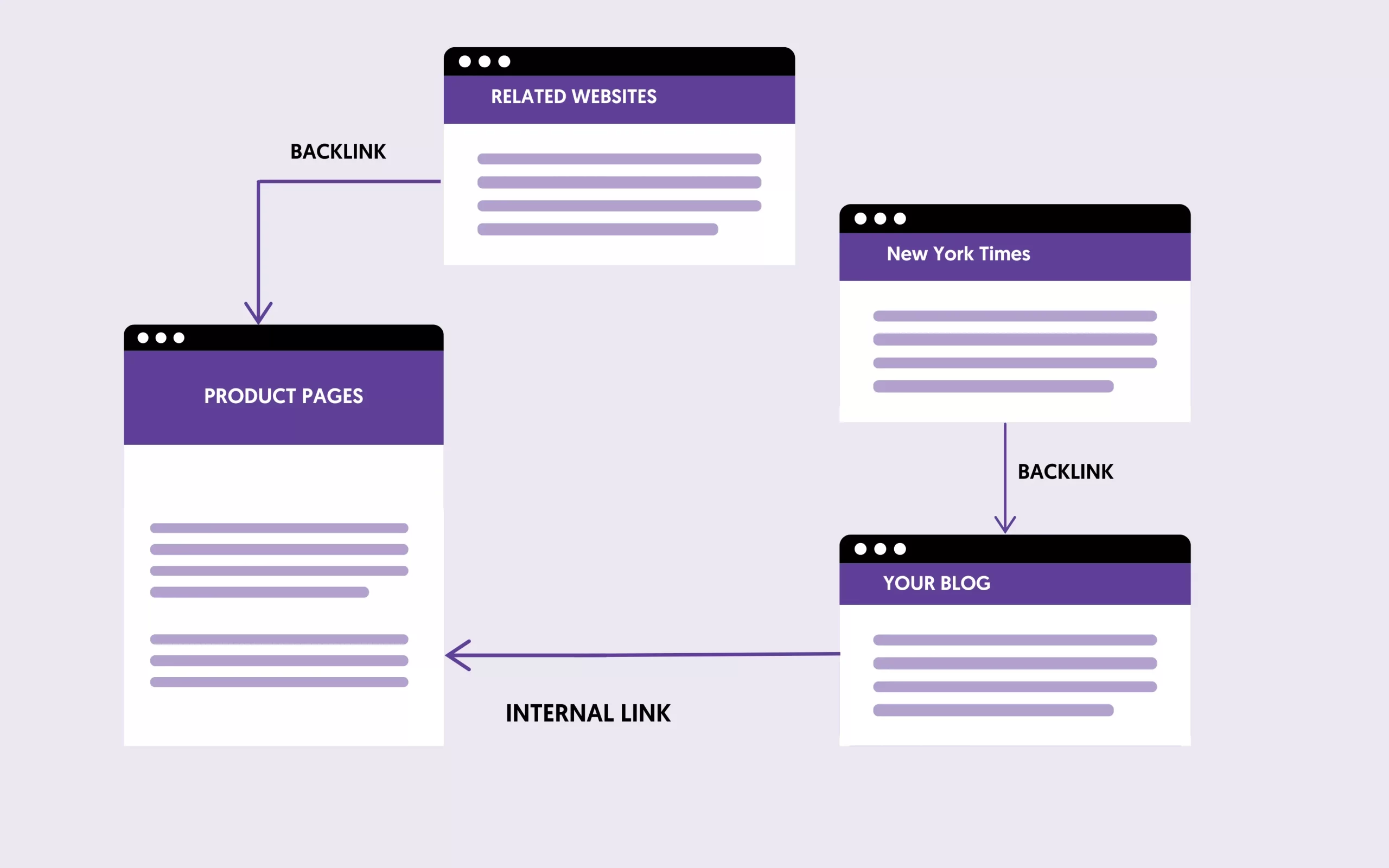
The whole process is challenging and takes time. Website owners are more reluctant to link to a blog that is part of an ecommerce website, but it’s a tactic that can get you strong links from related websites.
2. Get Links from the Manufacturers Site
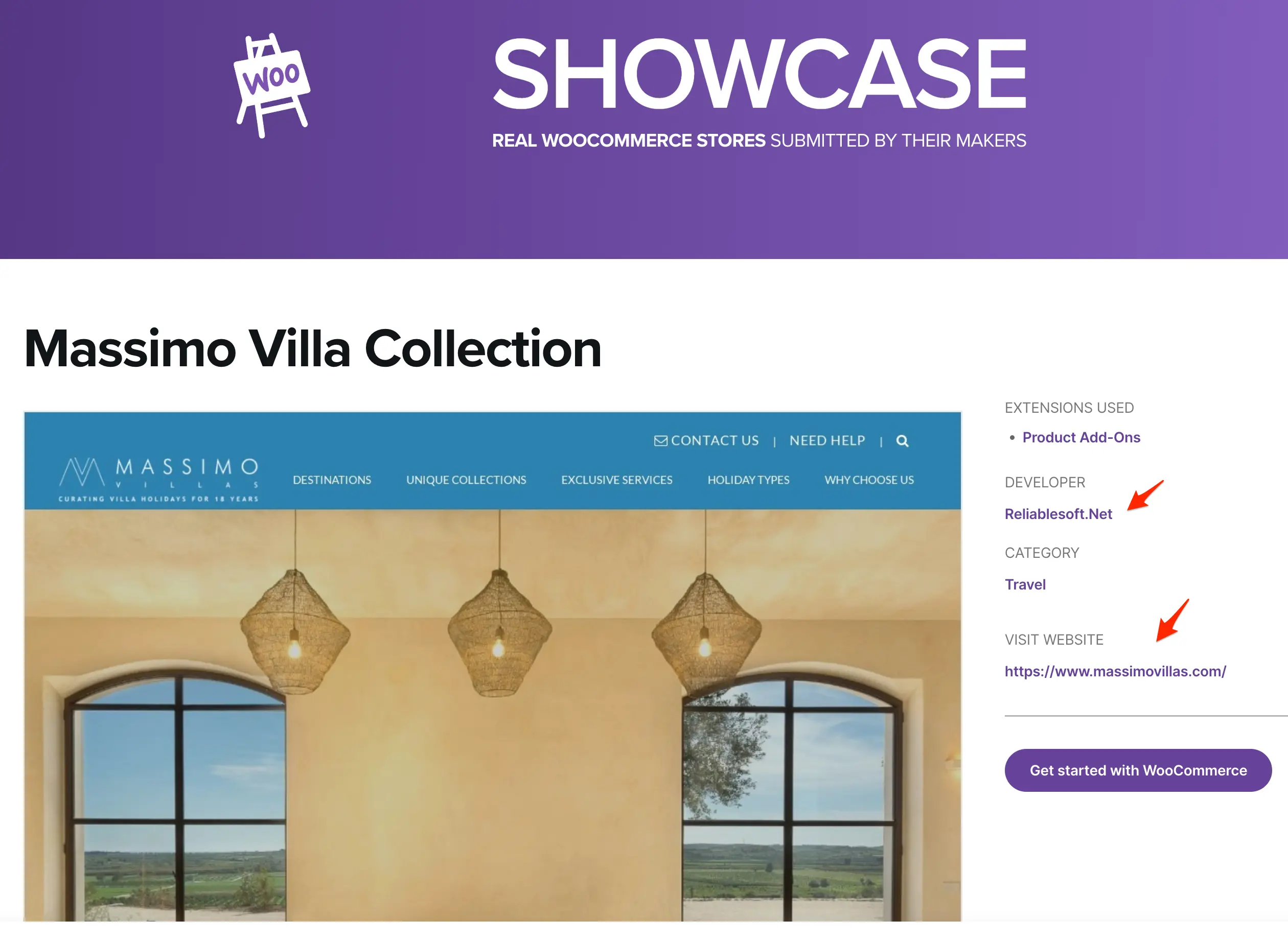
An ecommerce shop is likely to sell products from manufacturers or partners. See below a screenshot of how we managed to get a link for our client and our website from woocoommerce.com. We submitted for their showcase section a website we developed using woo commerce. There are several ways to get links from these websites:
- Visit their websites and see if they have a section with links to their retailers.
- If not, email them and ask them how you can get featured on their website.
- If they have a blog, ask them to contribute an article.
- If they have a showcase section (most suited for service providers), submit your entry.
3. Guest Posting On High-Quality Websites
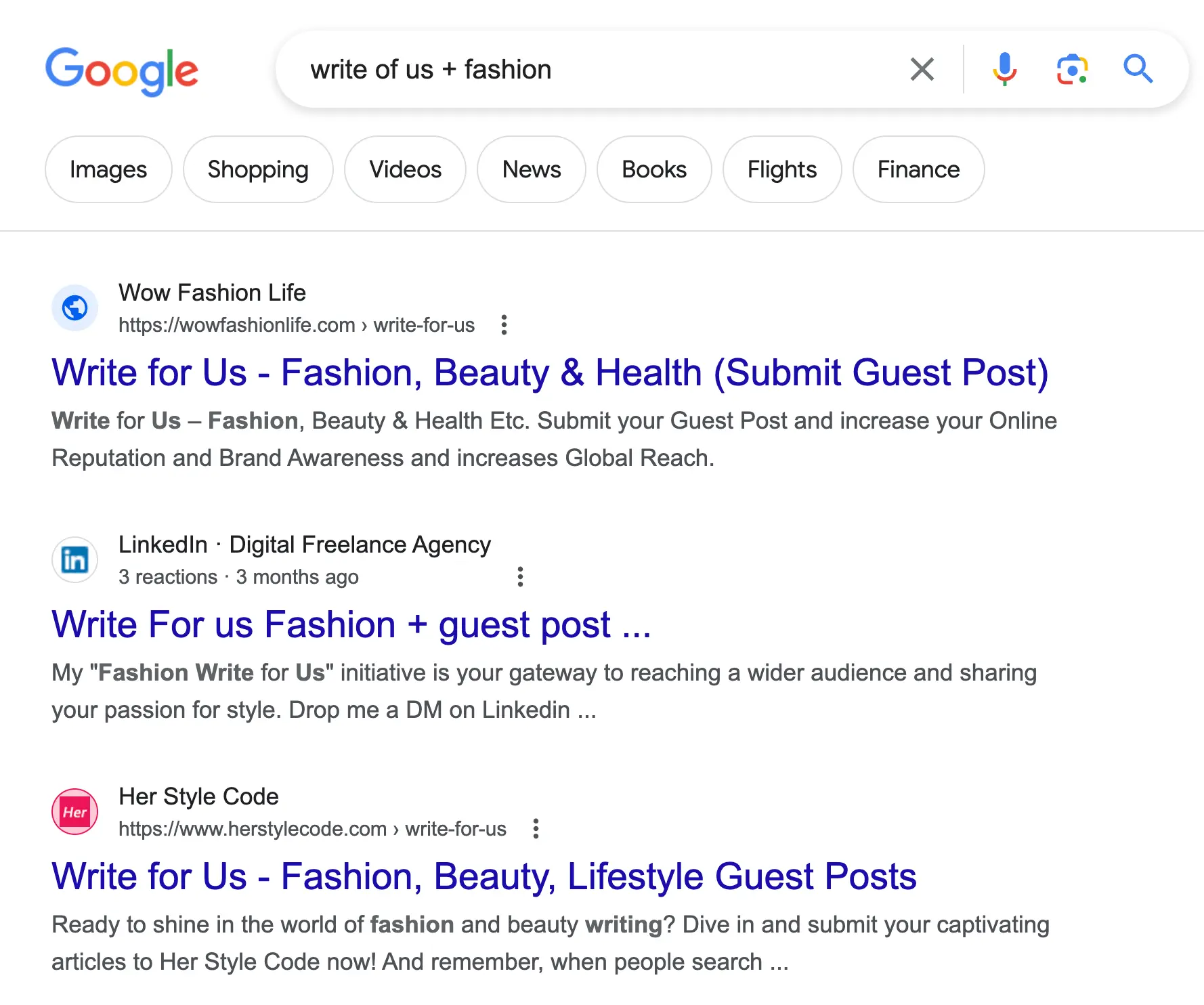
Guest posting is among the most popular ways to get links from other websites. The way it works is the following:
- Find websites related to your niche that are actively looking for guest writers.
- Read their publishing guidelines.
- Write a good quality post that includes links to your website.
- The post is published, and you get a link.
It sounds like a straightforward process, but it’s not always easy. The first challenge is to find websites that:
- Are in the same niche.
- Accept guest posts.
- Are considered by Google to be of high quality.
- Allow dofollow links in the body of the article.
4. Start An Affiliate Program
Google officially recommends that any affiliate links or links on ads should be no follow. No follow links don’t pass any PageRank, and they don’t influence rankings. Nevertheless, you can still use an affiliate program to boost your link-building efforts indirectly. Here’s how:
Brand Awareness and Organic Mentions: A successful affiliate program increases your brand’s visibility. Affiliates often create content about your products or services, leading to organic mentions. Over time, these mentions can result in natural links from various sources, not just your affiliates.
Content Collaboration: Engage with your top affiliates by offering to collaborate on content. This could be co-authored blog posts, interviews, or joint webinars. These content pieces can naturally attract backlinks and are not directly linked to the affiliate transaction. Hence, they don’t need to be no follow.
Leverage Affiliate Success Stories: Showcase successful case studies of your affiliates on your blog. This motivates current affiliates and attracts potential link opportunities from industry blogs, news sites, or business case study sites interested in covering unique success stories.
5. Connect With Reporters Using Haro
it’s a service that brings journalists and bloggers together. You can use HARO and answer questions posted by Journalists. In exchange, you get a reference (link) from a media site. Journalists post questions about different topics and want to get answers from industry experts. In many cases, they specify exactly what kind of answers they need and from what kind of people. When your pitch is accepted, the journalist will publish the story referencing your name and website.
- Monitor the questions and reply as fast as you can. They get a lot of emails for each query, so you have to beat the queue.
- Be specific, read their question carefully, and answer it in their desired format.
- Give them your contact details for follow-up questions.
6. Reach Out To Influencers
Collaborating with the right influencers can increase brand awareness and sales, but the right approach can also aid your link-building efforts.
Here are the steps to follow:
- Find influencers in your niche that maintain an active blog.
- Before making any requests, engage with their content. Share their content, comment on their social media posts, and become a part of their community.
- Reach out and propose a collaboration that is beneficial for both parties. This could be sending them products for review or custom discount codes for their followers.
- Suggest content ideas that naturally incorporate your products. This could be a tutorial or a product review. When influencers create content around your products, they are likelier to include a link to your site.
7. Publish Link Magnets
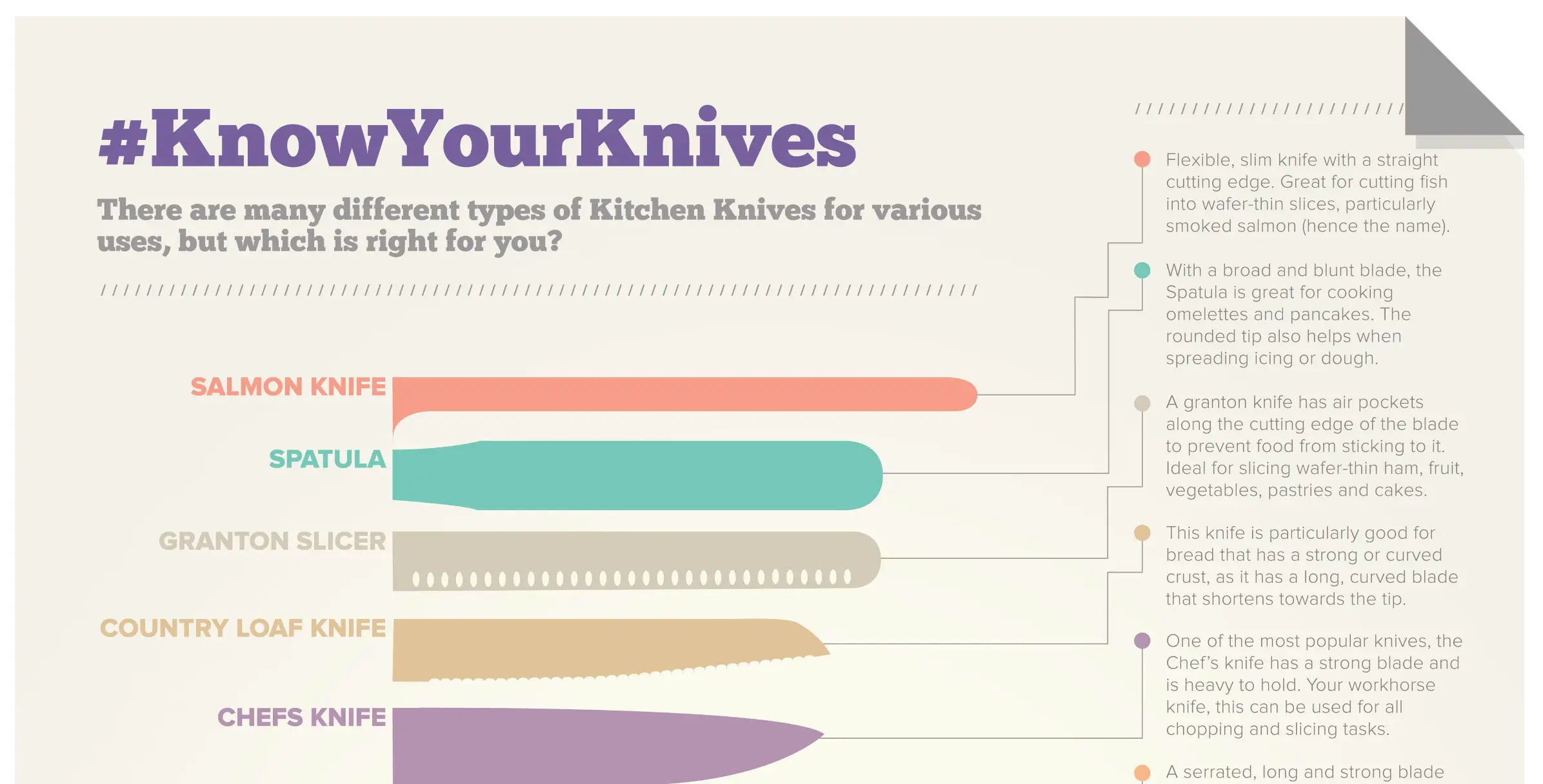
Link magnet is a term that describes content that can go viral and naturally attract links from other websites. What kind of content is that? Infographics, or other visuals, are a good way to present data differently than text or plain images. It’s attractive and can be easily linked to. Here is an example of an infographic about a boring topic (Knives) that got several backlinks for the ecommerce website that published it.
8. Steal Competitor Links
The most effective way to build links to your ecommerce website is to analyze your competitors’ backlink profiles and see where they get links. Your goal is to find:
- Link opportunities – Websites that link to them and not link to you.
- Broken links – links pointing to them that are not working.
- Brand mentions without links – mentions of their brand that don’t contain links.
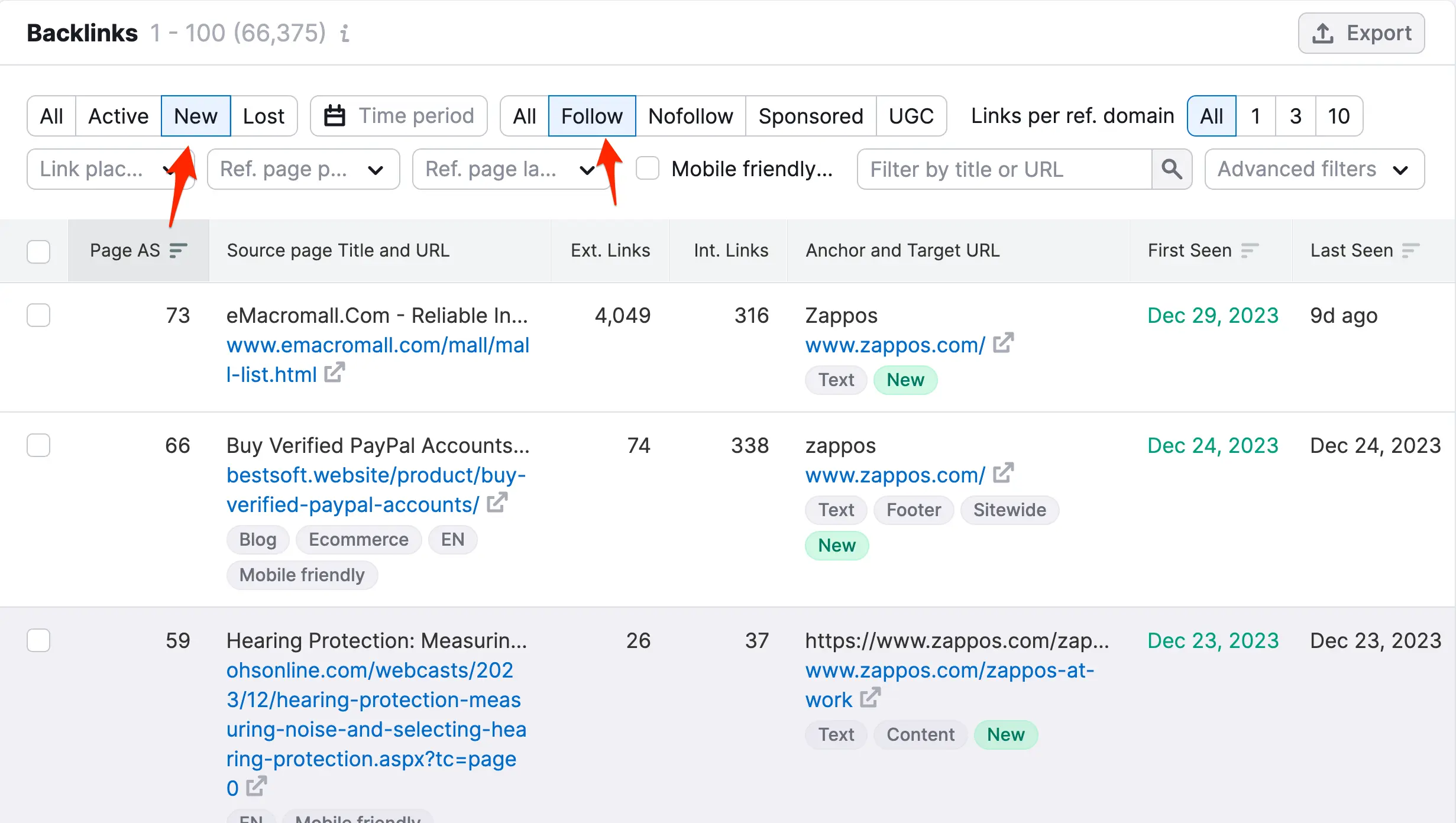
You can repeat the above process to find broken links and compare your link profile with competitors to get new link opportunities. Once you get a list of possible websites, you need to contact them to explore ways you can cooperate.
9. Digital PR
Digital PR is an effective strategy for eCommerce link building as it combines traditional PR tactics with online marketing strategies. Here’s a detailed example of how you might use digital PR to build links for an eCommerce website specializing in eco-friendly home products:
- Identify your target audience (Environmentally conscious homeowners)
- Create a list of journalists, publications, influencers, and bloggers who cover topics like sustainability, eco-friendly products, and green living.
- Conduct a survey on a related topic. For example, “Homeowners’ Attitudes Towards Eco-Friendly Home Products”.
Compile the survey data into an insightful report, highlighting trends, key statistics, and interesting findings. - Develop an engaging infographic that visually represents the survey data.
- Write a press release about the survey findings, emphasizing any surprising trends or statistics that would capture the interest of your target audience and the media.
- Send the press release and the infographic to your targeted journalists, bloggers, and influencers list.
- Use paid social media ads to promote your survey to your target audience.