Many website owners often stay concerned about organic link building. If the links to your website are not natural, Google may penalize your website. This can lead to lower SERP rankings, therefore driving lesser traffic. But there is a way out! You will be able to develop natural and high-quality links by following the proper steps. In this post, we will explore 6 Simple Steps to Organic Link Building in 2025. These steps are simple to follow and will keep your site safe while growing its authority.
What are Organic Links?
Organic links are the links that you earn when your content is truly valuable and relevant. When you create something worthy of mention, other websites start linking to it organically. These organic links are favored by search engines because they prove that your content offers real value. This, in turn, helps boost your website’s authority and improve your search rankings.
6 Simple Steps to Organic Link Building in 2025
Organic link building boosts your website’s authority and rankings. Follow these six steps to get it right in 2025.
1: Identify Your Content Competitors
To succeed in organic link building, you first need to know who your content competitors are. This helps you understand what’s working in your niche and where you can improve.
1.1 Google Your Main Keywords
Start by typing your main keywords into Google. The websites that appear on the first page are your key competitors. For instance, if you search for “best email marketing tools,” those top results are who you’re competing with.
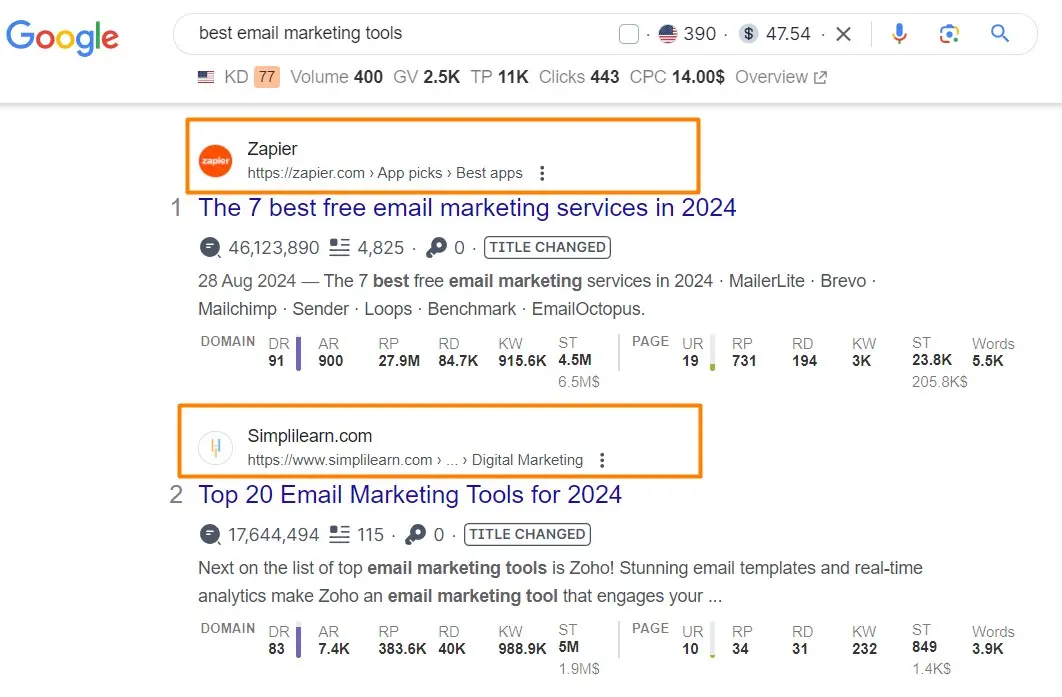
1.2 Use SEO Tools to Spot Competitors
Next, use tools like Ahrefs, SEMrush, or Moz to get more details. These tools let you enter your keyword and see which sites are ranking well and where they’re getting their backlinks. This gives you a clearer picture of who you’re up against.
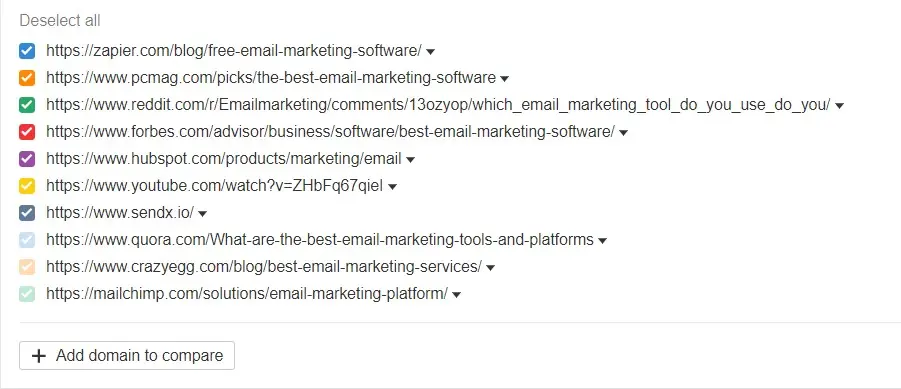
1.3 Check Out Their Content
Look at what your competitors are publishing. See what topics they cover and how in-depth their articles are. For example, if they rank well with an article on “email marketing tips,” check if they’re adding something unique, like free resources or useful visuals.
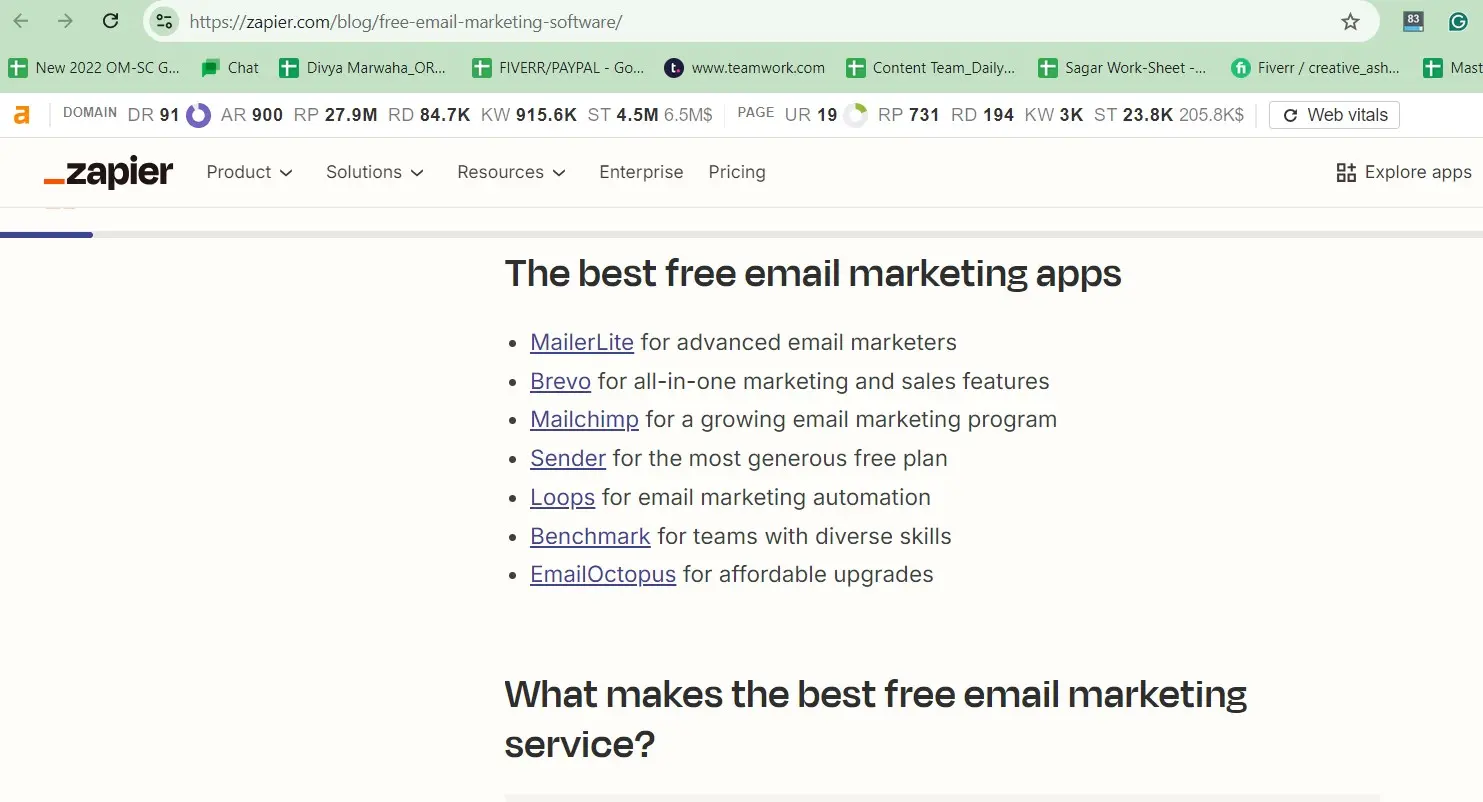
1.4 Review Their Backlinks
Finally, see where your competitors are getting their backlinks. Tools like Ahrefs can show you which sites are linking to them. This can help you find similar opportunities for your own site.
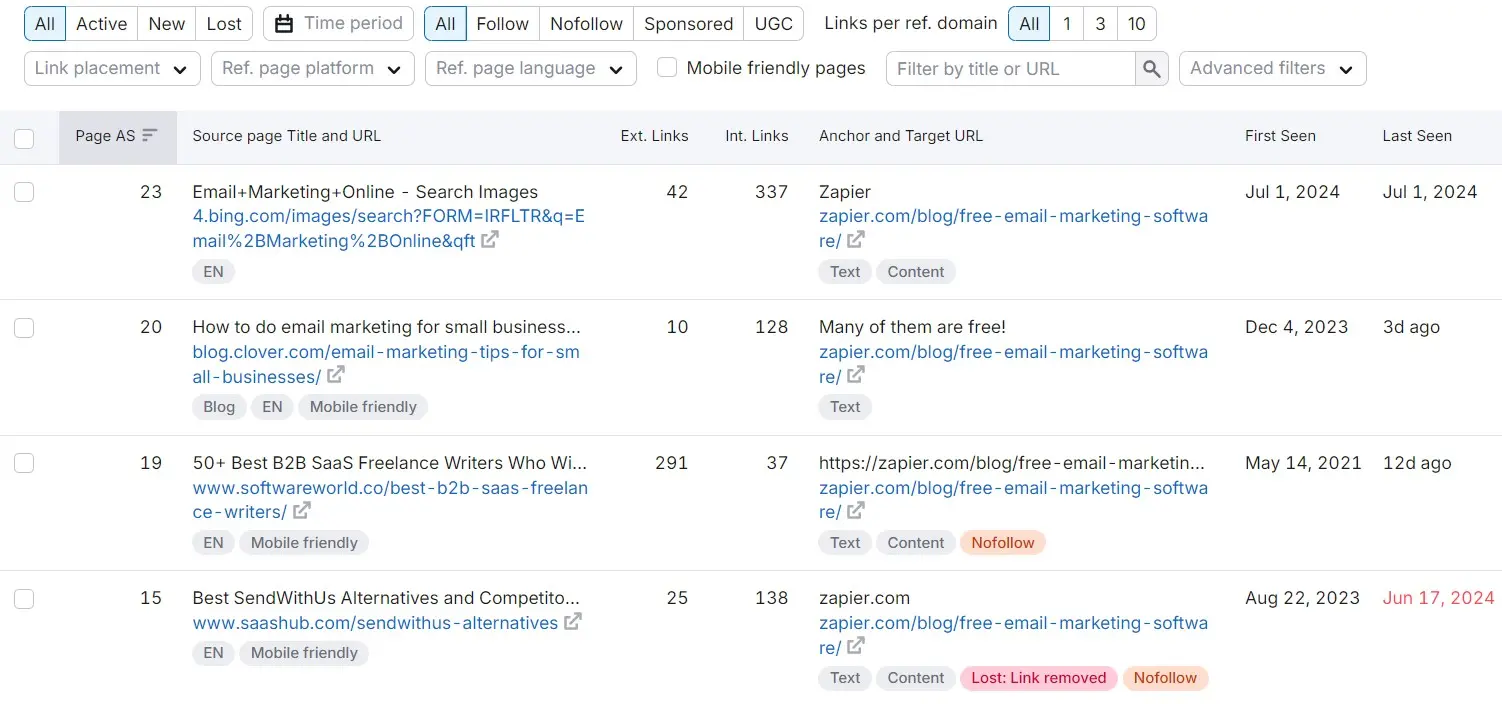
Step 2: Create Valuable Content
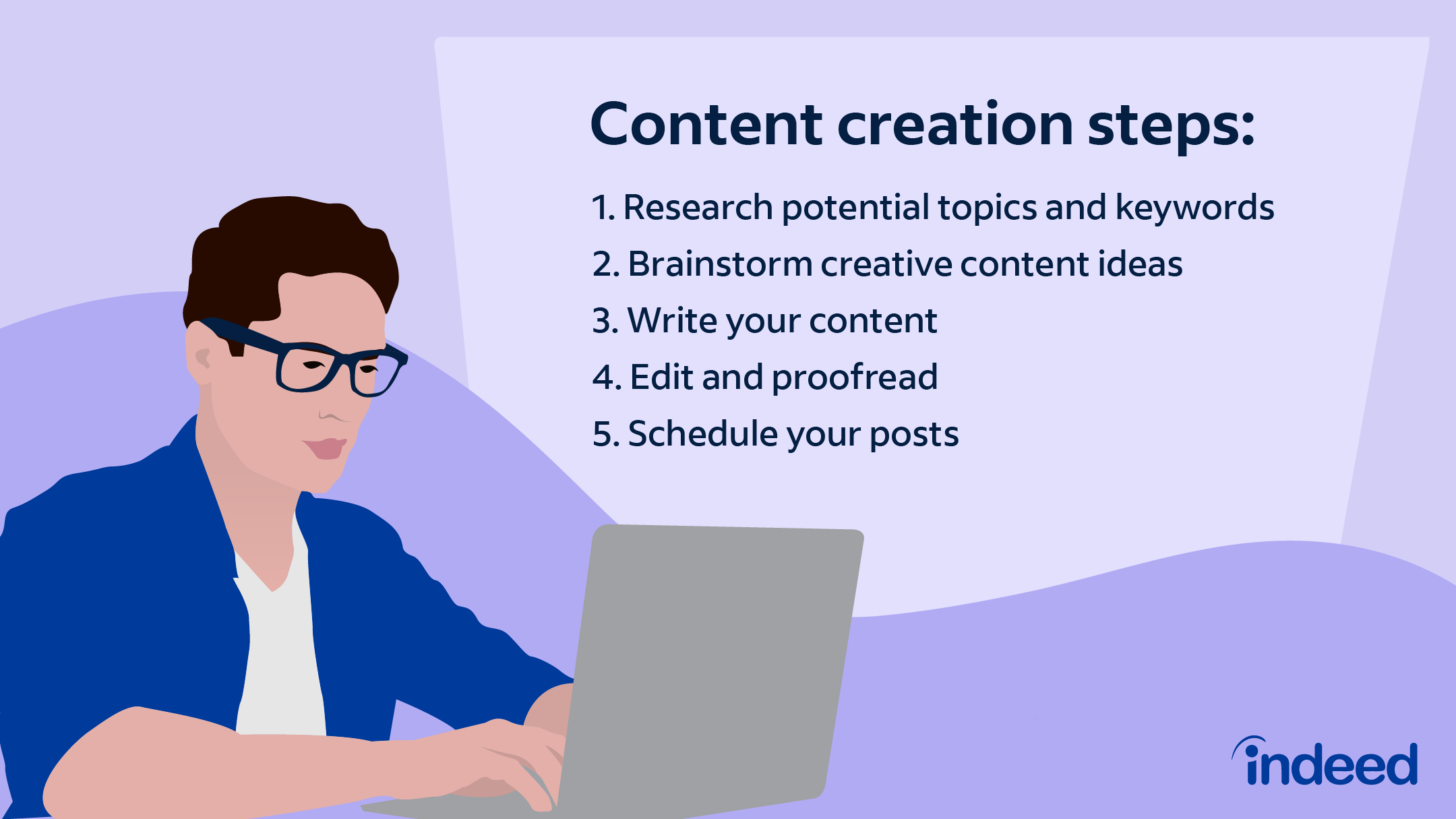
Creating valuable content is essential. It requires understanding your audience, using clear language, and adding your unique perspective.
- Know Your Audience: Focus on what they need. Do they want how-to guides, industry insights, or tips? Craft content that answers their questions and solves their problems, while also offering creative ways to build organic links.
- Keep It Simple: Use straightforward, clear language. Break your content into easy-to-read sections.
- Add Your Unique Touch: Share your voice and experiences. This not only makes your content stand out but also offers natural backlink ideas others might want to share.
- Use Visuals: Adding images, infographics, or videos to your content boosts engagement and supports infographic link building. When your visuals are valuable, others will naturally link back to your content.
- Stay Up to Date: Keep new content by following the latest trends and news in your industry.
Step 3: Optimize Your Pages
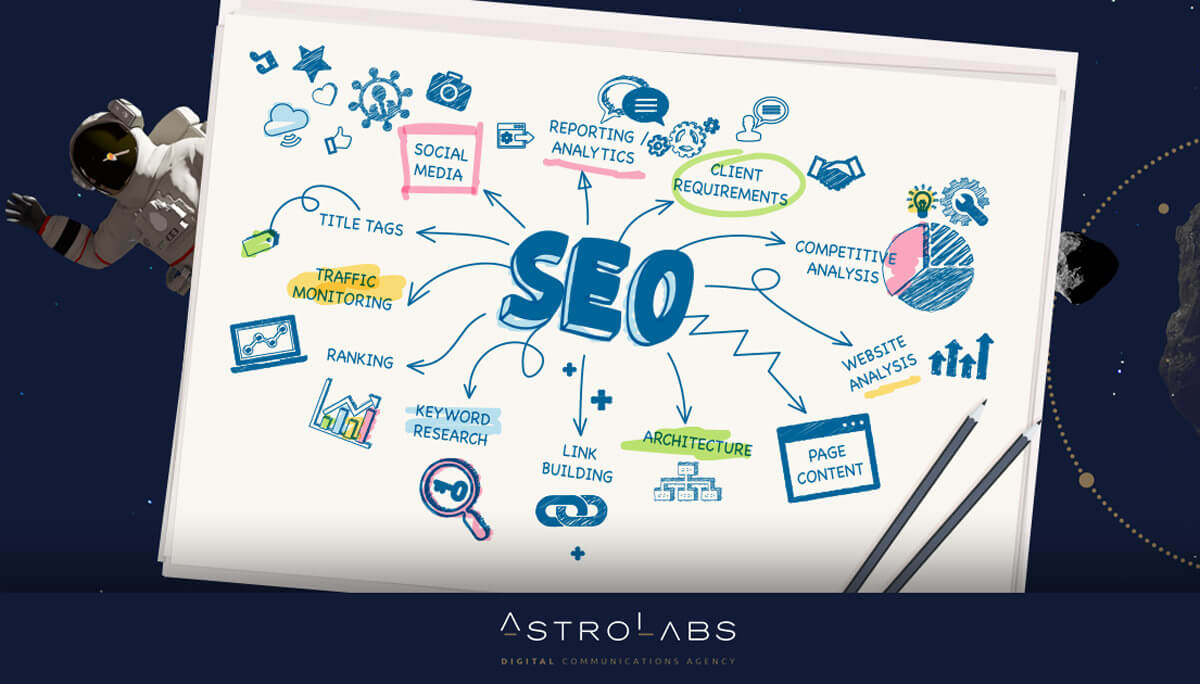
To make your content work well, it’s important that search engines can easily find and understand it. This is essential for creating trustworthy links and improving your overall SEO.
- Make Your Content Accessible: Make sure search engines can crawl and index your pages. Use simple URLs, send a sitemap, and correct any errors that may stop search engines from accessing your content.
- Use Keywords Effectively: Insert essential keywords in titles, meta descriptions, and headings. That helps search engines better understand what your page is about and increases your chances of possibly receiving a higher rank, which is important for organic backlinking.
- Internal Linking: Connect related content on your site with internal links. This helps users find more information and signals to search engines how your pages relate, which supports building credible organic links.
Step 4: Write Guest Posts

Writing guest posts is a great way to build credible organic links and boost your website’s authority. Here’s how to do it:
- Find Relevant Blogs and Websites: Look for blogs and websites in your industry that accept guest posts. Focus on websites that have wide recognition, high domain authority, and audiences interested in the topic. To find such opportunities, you can use tools like Ahrefs or simply Google. These organic link building tips will ensure you target the right platforms.
- Create Valuable Content: The guest post should be helpful to the readers. Make it informative, interesting, and relevant to the audience of the site. Do not forget to include links back to your site naturally in the content, where they fit, not in the bio only.
- Reach Out with Personalized Emails: Once you’ve written your guest post, contact the site owners with a personalized email. Explain why your content is suitable for their audience and how it actually benefits them. The personal touch in outreach demonstrates research and enhances the likelihood of getting your post accepted.
Step 5: Share Your Content on Social Media

Sharing your content on social media is a great way to reach more people and engage with your audience. Here’s how to do it effectively:
- Post Regularly: Share your blog posts, articles, and other helpful content on platforms like Facebook, LinkedIn, Twitter, and Instagram. This consistent sharing helps you reach a wider audience and supports ethical link building by encouraging genuine engagement.
- Engage with Your Audience: Don’t just post and leave. Invest some time in conversing with your audience—respond to comments, answer questions, and initiate discussions. This will not only raise the level of engagement but also increase visibility, which in turn will help in long-term link building.
- Encourage Sharing: Ask your audience to share your content with their friends. The more it’s shared, the better your chances are at building trustworthy organic links. If there’s a helpful resource or a tip you could provide, people will tell others, which goes a long way in improving your ethical link building efforts.
- Connect with Potential Partners: Use social media to connect with influencers, bloggers, and industry professionals. Engage with their content and build relationships that could lead to sustainable link building opportunities.
Step 6: Track Your Results
Once you’ve started building links, it’s important to see how well they’re working. Here’s how you can track your progress:
- Use Analytics Tools: Tools like Google Analytics and Ahrefs are great for checking how your links are performing. They show you where your traffic is coming from and which links are bringing in the most engagement, especially when using natural backlinks ideas.
- Monitor Site Authority and Rankings: Keep an eye on your site’s domain authority and search rankings. These will help you understand how your natural link-building efforts are improving your site’s visibility.
- Adjust Your Strategy: Based on what the data shows, be ready to make changes. If some links or tactics are working better than others, focus more on those. If something isn’t delivering results, adjust your approach to keep improving.