PPC campaigns give sellers the opportunity to keep an agile pace when building a marketing strategy that boosts conversions on Amazon. An effective marketing strategy continuously pushes you forward in a marketplace that is constantly growing. But as beginners or fairly new sellers competing with millions of other sellers, what can you do to put your store on the digital map and increase your visibility. That’s where PPC campaigns come into play. Here we discuss 4 Beginner Tips for Structuring Your PPC Campaigns.
What are Pay-Per-Click (PPC) Campaigns
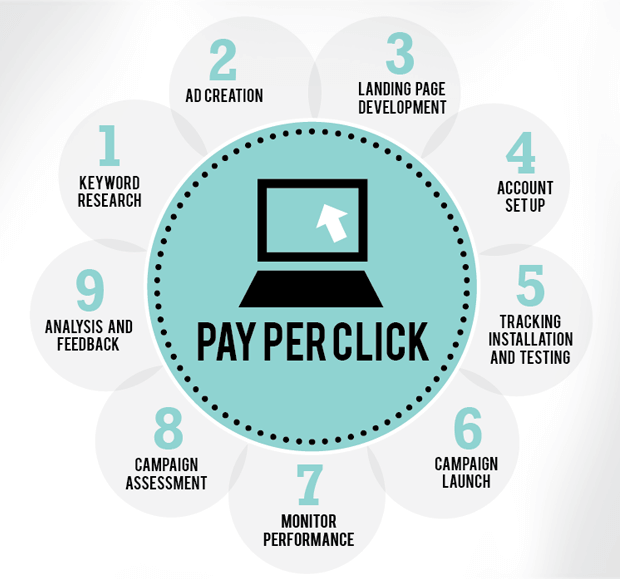
PPC campaigns are advertising campaigns that improve visibility by targeting customers using relevant short to long-tail keywords. The process starts with conducting extensive keyword research based on your audience’s searches and interests, then bidding on keywords that would likely catch the attention of more potential shoppers.
PPC campaigns on Amazon not only increase brand awareness for your business but also is one of the most cost-effective ways to widen your market reach. It’s called pay-per-click advertising because you only pay a fee when a customer clicks on your ad. This tool is one of the most powerful options in your marketing arsenal that can boost your listing’s discoverability and skyrocket sales.
A Beginner’s Guide to PPC Campaigns
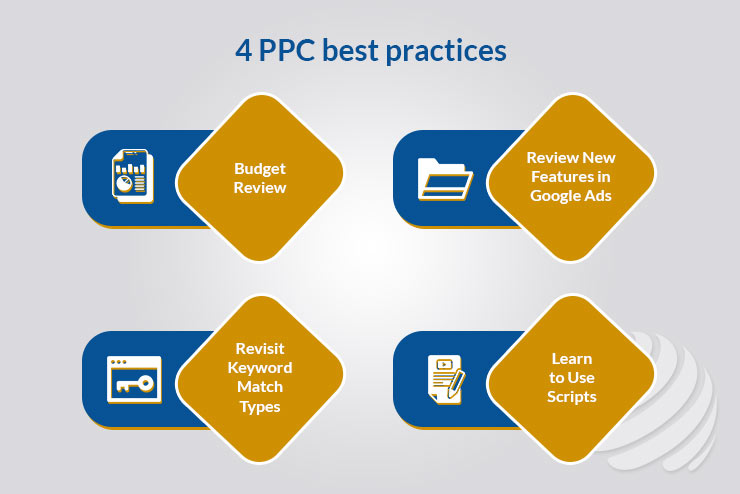
Tips 1: Start by Matching the Best Keywords for Your Product Listing
PPC is all about using relevant keywords to make your listing stand out amidst the competitive search results, so the best way to move your campaign forward in the right direction is to know your options when matching keywords to your ads. There are three match keyword types every seller can utilize depending on the type of PPC campaign:
Broad Match:
As the name suggests, a broad match uses general keywords that likely have strong matches with your audience. It uses common terms to increase your traffic exposure. This is best used to target a wide subset of shoppers and expand your keyword coverage, making it a great starting point for beginners who aim to display views for your campaign.
Phrase Match:
Phrase match keywords contain a sequence of words that optimizes your targeting strategy since it reaches more potential shoppers. It’s one of the match types that promise relevant placements for your Amazon ads since it considers variations and how your keywords interact with different searches, but keep in mind it can also be restrictive.
Exact Match:
For increasing exposure on your niche products, exact match type is the way to go for your PPC campaigns. It’s a more controlled effort that taps into the most high-intent shoppers searching for products relevant to your listings, so it’s the most cost-effective choice since all clicks are likely done deliberately compared to broad matches.

Tip #2: Choose the Best Ad Types for Your PPC Campaigns
![How to Build Pay-per-Click Marketing Campaigns [+ Best PPC Platforms, Tools, and Software]](https://www.hubspot.com/hs-fs/hubfs/PPC%20Tips.png?width=650&height=433&name=PPC%20Tips.png)
Now that you know what match types you can play around with when fine-tuning your keyword bids, it’s time to solidify your campaign by choosing the right ad type that would best suit your marketing goals. There are three ad types to explore:
Sponsored Products
When putting attention on your product listings, Sponsored Products can ace the job. Since the structure aims to promote your individual products depending. It depends on the search terms your market uses. They’re keyword- and ASIN-targeted ads that mostly appear within search results and product detail pages. That’s why it’s the perennial choice for driving traffic to your listings.
Sponsored Brands
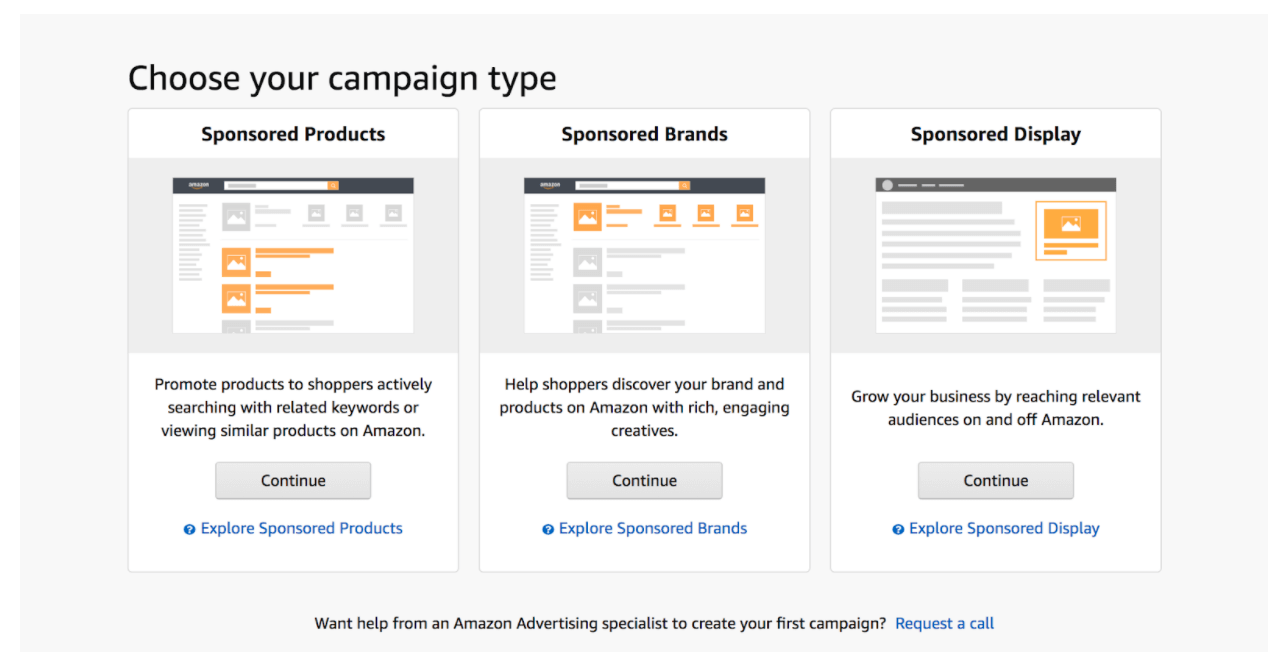
Amazon businesses that want to build stronger brand awareness can use Sponsored Brands. Which allow sellers to customize their headline and logo and display three of their best-selling products. The number one spot of search results. It’s also the best structure for sellers who want to stay on top of their performance. So, it is a high conversion rate isn’t necessarily the primary objective of a Sponsored Brand campaign.
Sponsored Brands aim to introduce the best store in the market, which means its ads often come with a tailor-made headline, brand logo, and relevant copy to boost the newcomers’ awareness. Therefore, Sponsored Brands are the right way to go for stores aiming to create a branded shopping experience.
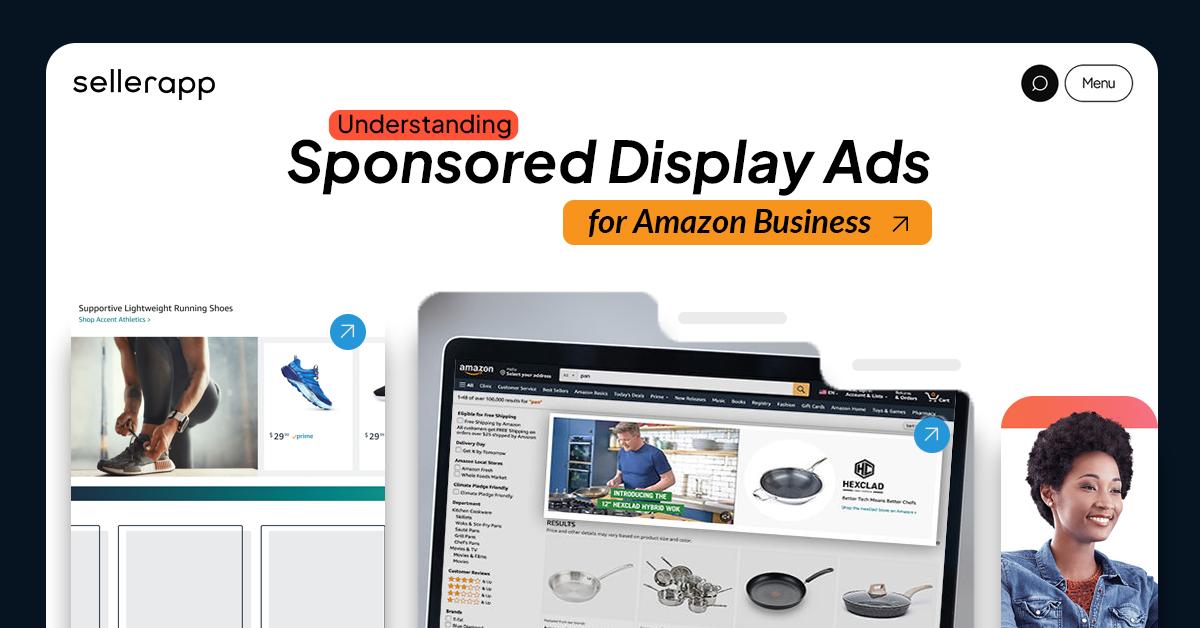
Amazon now includes the option of Sponsored Display Ads, which is a more advanced PPC strategy. So, it allows sellers to hyper-target their audience using category targeting. It showcases your ads to customers who have previously viewed or purchased your products, which is an excellent tactic for solidifying your awareness to an audience with passive intent.
Tip #3: Develop Your PPC Campaigns Using the Ideal Structure
Not all campaigns run the same as for every product ASIN; there are different ways to manage your PPC campaigns. Here are two ways you can approach it:
Automatic Campaigns

Beginners who don’t want to do extensive keyword research can supercharge their Amazon PPC ads with Automatic Campaigns. So, this option gives Amazon most of your ad’s legwork since it activates your PPC campaigns by matching. Its relevant search terms with the keywords in your title, description, and other areas in your product listing.
How to Run Automatic PPC Campaigns?
Step 1: Log in to Amazon Seller Central and select Advertising > Campaign Manager.
Step 2: Scroll below the graphs and click on the “Create campaign” button.
Step 3: Choose the gray Sponsored Products ad “Create” button.
Step 4: Fill in the information on the Settings section of the Create campaign page.
Setting up an automatic campaign is relatively simple since you only have to let it run for one to two weeks. So, that timeframe is enough to collect valuable data that delivers insights for your Search Term Report, which can help you identify your high-converting keywords. These high-converting keywords are invaluable as you routinely optimize your Amazon listings.
Manual Campaigns
On the opposite end of the spectrum is Manual Campaign, which requires sellers to tailor their keyword bids to promote accurate targeting. So, manually identifying relevant keywords means you can tap into specific audiences with a higher intent to shop your products, making it great for attaining better value and ramping up your sales.
How to Run Manual Campaigns?

Seasoned sellers who know more about Amazon PPC campaigns can move forward with Manual Campaigns. You can start by creating three ad groups for each keyword match type: Broad Match, Phrase Match, and Exact Match.
From there, you set the duration, budget, and daily bid for your manual campaign. As a beginner, it’s best to start with a smaller bid and keep the duration indefinite so you can track your performance. This leaves you more room to make necessary adjustments with your manual campaigns.
Tip #4: Optimize Your Cost-Per-Click (CPC) Bids

Once you know the best match type, ad type, and structure for your PPC campaigns. It’s time to maximize your efforts by learning how to optimize your CPC bids. You can end up spending more on irrelevant keywords that have little-to-no chances of converting customers for you. So,, it’s crucial to test your bids to ensure you’re paying for keywords that are performing well.
In CPC optimization, a general rule of thumb is to calculate your target Return on Ad Spend (ROAS) and compare it to your actual ROAS, which should reveal your ad’s performance. This can help you determine whether to lower or increase your ads depending on how your keywords effectively work towards your goal profit margin.
Related post: Types of PPC and Its Significance Need to Know in 2025