Backlinks make the SEO world go around. They have been one of the most important rank factors since Google began. But over two decades, a lot has changed. Google has updated their ranking algorithms to focus more on link relevance and backlink quality. The internet itself has also changed: by growing and becoming more sophisticated and more diverse. Now there are more kinds of websites, giving different opportunities to earn or buy backlinks from. Here we discuss 15 Types of Backlinks You Need for SEO.
15 Types of Backlinks
Editorial Backlinks

Editorial links are some of the best types of backlinks you can get. They happen when an authoritative website links back to a piece of your content as a source to support their own work. The best way to earn editorial links is to focus on writing high quality content on popular topics that people find interesting. It makes any outreach or content marketing you do much easier when your content can sell itself.
Here are some of the different ways you can get an editorial backlink:
- Someone cites your website as a source for their own content
- Someone refers to your website as a general source of good information
- Someone cites your website as the source of an infographic, video, or other visual content
- Someone cites your website in a link roundup of interesting content or resources
- Someone interviews a person associated with your website and includes a link
Relationship-Based Backlinks
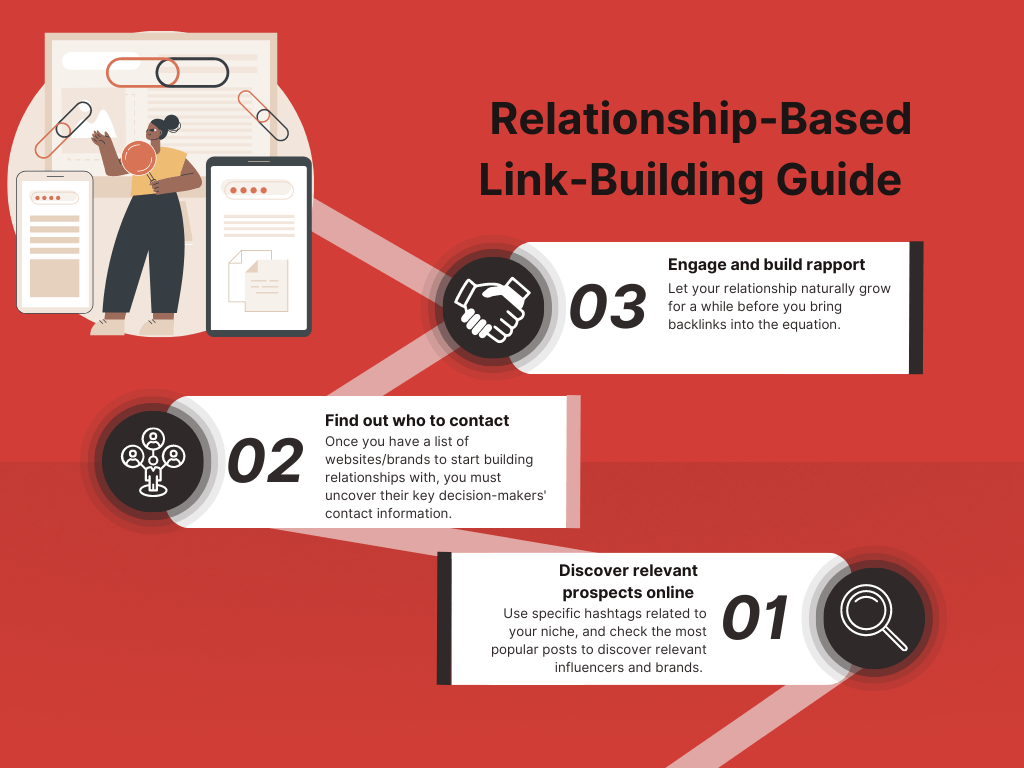
Relationship-based links are a variation on editorial links. They happen when you establish a relationship with a journalist or website content creator. When they start to regularly use you as a source when writing about a topic that touches on your area of expertise, that’s a relationship-based link. What makes these so valuable is that you can get multiple links over time after establishing the relationship. It isn’t just a one-time thing. It is possible to turn a first-time editorial link into a relationship if you reach out to the website that used you as a source.
Guest Blogging
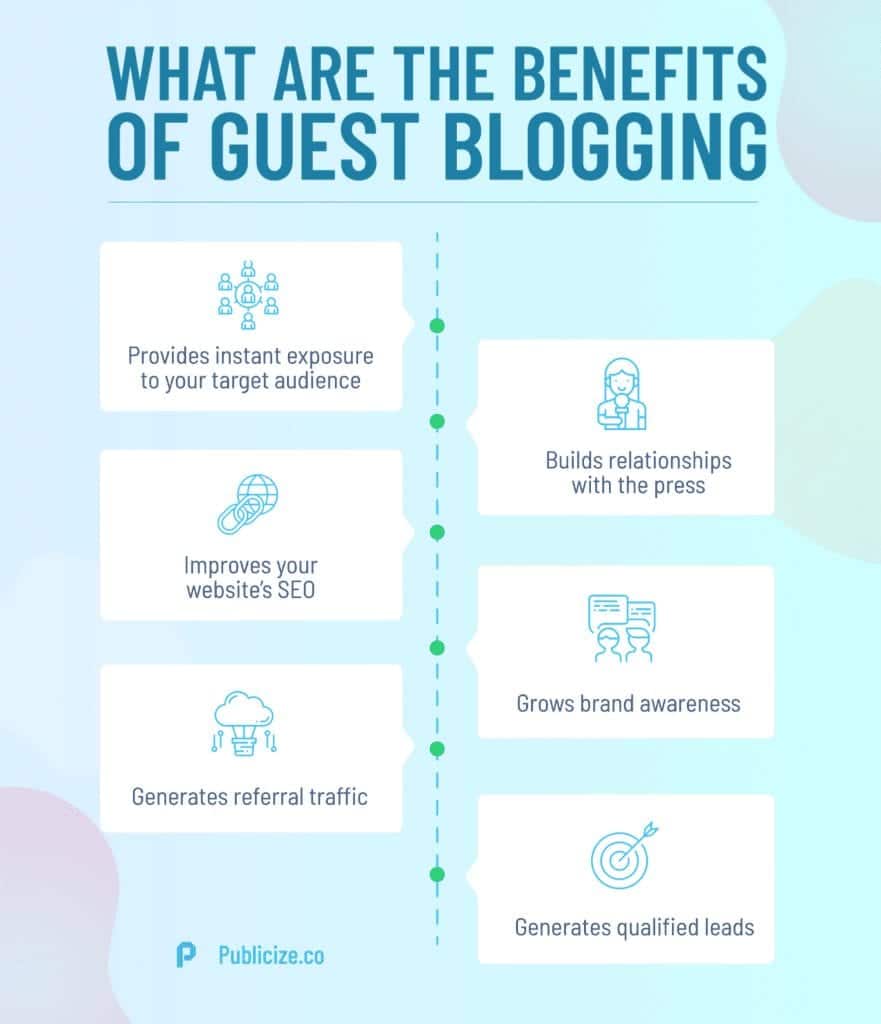
Guest blogging has been around a long time, but it’s important to know how to do it properly. Google officially doesn’t really like links from guest blogs, but they do tolerate them to some extent. The caveat is that they need to be relevant to the topic of your website and provide good quality content for the other website you write for. The good part is that when you establish a good relationship with a relevant and authoritative website, it can be a recurring source of links. It can take a lot of time to build a list of guests posting relationships, but worth the effort.
General Directories
![Business Directories for Backlinks [Updated 2023] - Havoc Digital](https://havoc.digital/wp-content/uploads/2017/07/Directories-for-Backlinks.jpg)
Links from general directories are one of the easiest types to get. You typically just have to submit your website through an automated process and some basic information — that’s it. These are websites that accept links from any website regardless of the topic, industry, quality of the website, and so on. That’s why it can be dangerous to overdo it. Google doesn’t like directories that just accept links from anyone and everyone, because of their issue with relevance. You can still build some general directory links but stick to only getting them from high authority directory websites.
Niche Directories
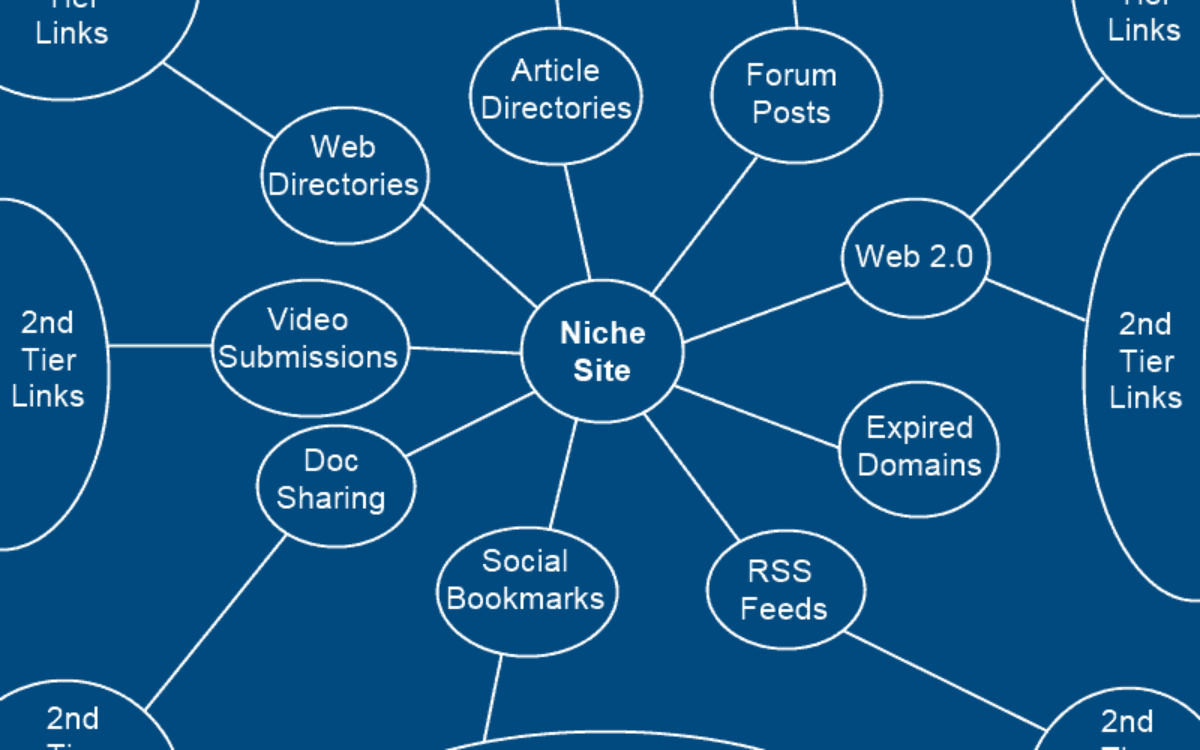
Links from niche directories are much better to build for your business. Unlike general directories, they have a relevant theme and are more useful to users. They are built according to a specific industry, topic, type of business, and so on. They can be more difficult to find and not as authoritative as general directories, but they are still more valuable. You can also build more links to them as long as the directory is relevant. To build links on niche directories, you can save a lot of time if you outsource link building for them.
Header, Footer, and Sidebar Links
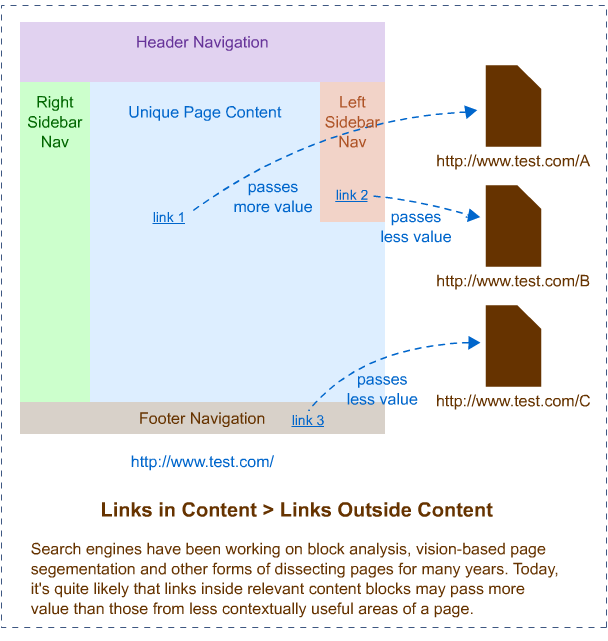
Also known as “sitewide links” because they appear on every page on a website, these are not valuable links. Google has learned to assess the value and relevance of a link based on where it is positioned on a page. A link embedded in content is valuable because it has a use and context, it helps support content meant to help your users. Links that are just added to the header, footer, or sidebar on a website has no context and little relevance. When you reach out to websites to add links back to your site, try to avoid having them add sitewide links like these.
Paid Links
In general, it’s a bad idea to pay for other publishers or websites to link to your website. It breaks one of Google’s biggest taboos and can lead to getting penalized. However, there are some reasons why you may consider it. Basically, the only way to pay for links and avoid Google’s ire is to make it look as natural as you can. You should also follow the rest of their guidelines to the letter.
Here is a quick summary of how do it the right way:
- Focus on getting links to your high-quality content
- Make sure the website linking to you is still relevant
- Paying for guest posts is the easiest way to pay for links that take the above two points into account
Business Profile Backlinks
As you create on various online accounts for your business, you can add a link in your profile back to your website. This can be on social media or local citation profiles, industry directories, and so on. Building them is simple: you just need to have an account on these types of websites that are authoritative and relevant. When you create your profile, just look where you can add a link. Many of them, like Yelp, Yellow Pages, and Facebook.
Webinar Links
As we’ve mentioned above, creating a valuable resource for others to reference is a great way to get links. Running webinars is one very popular type of resource to earn links, especially if you create recordings for future use. You can get more links when you post the recordings onto your blog. Try writing out a transcript for people to reach, and for better organic SEO. These webinars can attract others to link to them, and you can use them for future guest blog outreach as well.
Free Tool Links

People love free things. Resources and tools are some of the best ways to get links naturally. So why not put the two together? Take a paid tool or resource that you currently offer and scale it down. Make sure it’s still useful enough that people will want it, so they get a taste of what the full version can provide. You can then search on Google or using SEO tools to find an audience who would be most interested in your tool. You can reach out to them to pitch your tool or have them write a feature about it.
Sponsorship/Acknowledgment Backlinks
Sponsorships are a great marketing strategy in general. You get exposure in your community, and for SEO you can ask for a link back to your website. Most organizations that accept sponsorships will have a page acknowledging their sponsors. The best way to get quality backlinks for sponsorships is to choose good sponsorship opportunities. Pick something that is in your community, has a good local profile, and has an acknowledgment page already. That will make asking for a link easier.
Badge Backlinks

A clever and underutilized way to earn backlinks is by creating a branded “badge”. Come up with an award or ranking to give out to other websites as a status symbol. Give the award to certain websites that win your award or reach a top tier and send them the badge to put on their website. The other website can take that as an opportunity to promote the quality of their website with the badge. It can take some work to promote your badge as something of value in your niche. But if you succeed, you can get a lot of traffic and attention to your awards every year. The Better Business Bureau accredited business badge is a great example of this.
Press Release Backlinks

Press releases are a bit of a lost art these days, but they can be a very useful tool for marketing and SEO. You can use them to gain backlinks from media outlets when you create a newsworthy press release about your business. Whenever you have news of these types, look at publishing press releases on PR websites like PRWeb. You may get some links from media outlets naturally, which is the best result. But you can also try reaching out to local outlets to see if they want to write something themselves and link back to you.
The best types of press releases can alert customers and news outlets of the following:
- A new product or line of products
- A new location opening
- A new partnership or sponsorship you formed with another business
- A rebranding your business with a new name
Comment Backlinks

If you read other blogs to get news and information related to your field, you can look into commenting. Websites that let you comment may also allow you to link back to your website. It’s a good way to add insights to comments to gain traffic from people clicking on your profile. This is another strategy you should avoid over-using. You should only add links to comment profiles on high authority and relevant websites to avoid Google thinking you’re a spammer. Make sure your comments are useful for other readers so more of them come to see you as an authority. They’re more likely to link to your website as well.
Forum Links
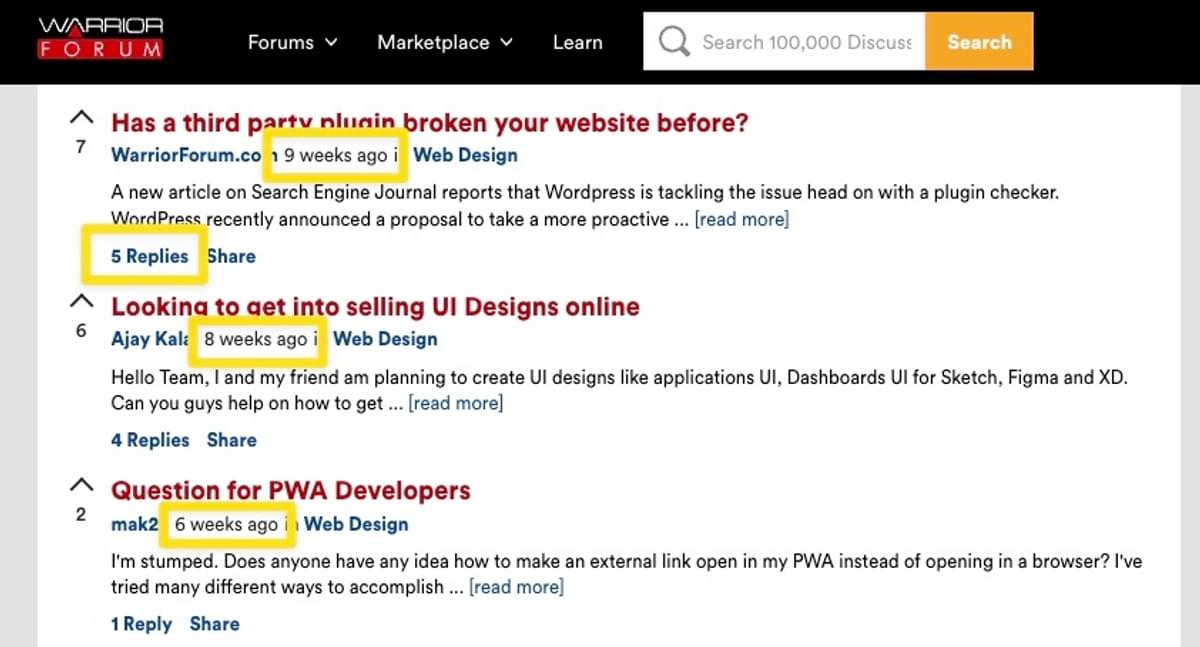
You may see some recommendations to join internet forums and link to yourself in your posts and replies. This is another type of link to be careful with. It has been abused in the past by spammers, and Google doesn’t view them favorably as a result. As with other examples, you can still use this strategy if you’re careful. Make sure you add links on high quality and relevant forums and only add links where they would provide value to readers.