Content promotion is the process of promoting blog posts and other content to reach a larger audience via digital marketing channels, such as email marketing, digital PR, paid ads, influencer marketing, and social media marketing. The goal of content promotion is to drive traffic, engagement, and conversions by strategically placing your content where your target audience is most active. Here we explore 10 Content Promotion Strategies.
Strategy 1: Use Email Marketing
The first method is to email your subscribers and inform them about your new content. People subscribing to your list are likelier to engage with your content through social shares, comments, and links. If this step does not apply to you because you don’t have an email list yet, then you are making a huge mistake. Email marketing applies to ALL kinds of businesses, and starting an email list is an essential first step. If you already have an email list, follow these tips when sending out emails to promote your content.
- Keep your email short and to the point. Explain briefly how your subscribers can benefit by reading your post, watching your video, etc.
- Make it super easy for users to spot in the email the link/button to click to visit your site. Adding more than one way is proven to help (see screenshot below).
- Don’t hesitate to ask your subscribers to share your post on their social media channels. There is nothing wrong with reminding them about this.
Strategy 2: Share Your Content on Social Media

Sharing your content on your social media networks has several benefits. While it is true that organic reach in all networks is decreasing over time, there are still some good reasons to go through this process.
The most important are:
- It’s a great way to keep your social media pages fresh with updated content
- Regularly posting to your social media pages helps them rank on the first page of Google for brand-related queries
- Before making a buying decision, people tend to check social media pages, and having updated content is much better than a desert island.
Here is the process to follow to promote your content on your social media pages:
- Publish to your Facebook business page.
- Share the post (from your business page) using your personal Facebook account.
- Share the post on Twitter multiple times. Use a social media scheduling tool like Buffer to create multiple tweets of the same post and schedule them to go live on different dates/times. This method has been proven to work great on Twitter.
- Make use of the correct number and type of hashtags
- Share the post on your LinkedIn network like you did with Facebook, i.e., add to your business page first and share the post using your personal account.
- Share the post on Instagram, Pinterest, and other social networks where you are active.
Strategy 3: Strategically Mention Big Brands

A great way to promote your content to a bigger audience (without paying) is to have other websites or companies promote it on their channels and audiences. To achieve this, you must strategically mention or link to websites with social media influence in your content and then tag them on Facebook, Twitter, and Instagram to inform them about it. This method is very easy to execute and can produce great results. Let me give you a real example to understand how this works:
Strategy 4: Make Connections with Other Websites
![17 Link Building Strategies Proven to Succeed [With Outreach Templates]](https://www.siegemedia.com/wp-content/uploads/2022/11/beginner-link-building-strategies-v2.webp)
This method is similar to the above, with the difference that instead of strategically linking to big companies, you link to other bloggers in your niche. When researching to find content topic ideas, you’ll probably come across articles written by other bloggers who are the ‘influencers’ in your niche. You can add a link to their articles, and once the post is published, email them to let them know about it. You may have to research to find their contact details, but it is worth the effort.
- Promote the post on my social media
- Follow the blogger on social media
- Add the blogger to my list of people to contact (more on this below in step 10)
- Visit their website and have it in mind when writing similar posts. If there is an opportunity, I will link them as well.
Strategy 5: Use Retargeting
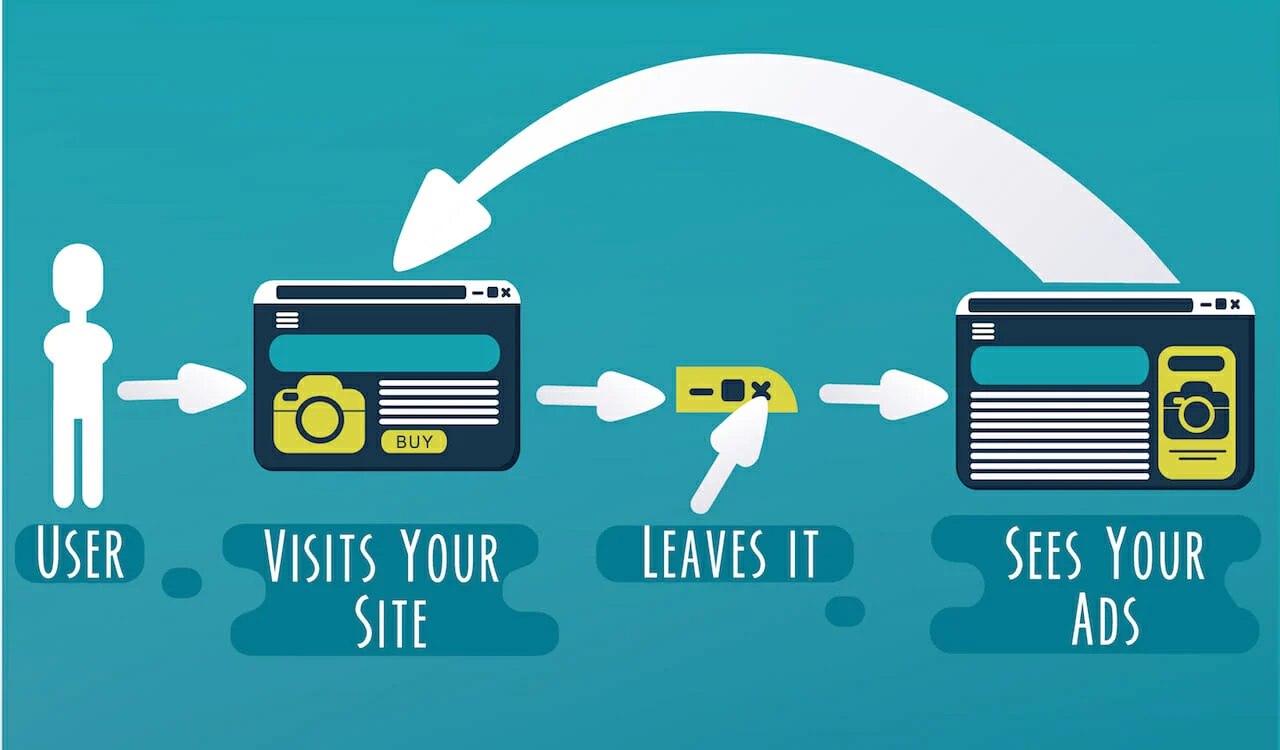
The next method is to promote your content to your EXISTING audience using Facebook retargeting ads. Facebook offers several options for content promotion, and retargeting is one of the most effective in terms of post interactions and cost. You can use retargeting to promote your content and pay as little as $0.10 per site visit, which is very low compared to what you normally pay for ‘boost post’ ads. To be able to do that, you first need to set up your retargeting audiences on Facebook and, in particular, create custom audiences for:
- People who have already interacted with one of your previous ads
- People who have subscribed to your email list (there are ways to export your data from your email CRM to FB. If you’re using MailChimp, this is very easy to do).
- People who have visited your website before and have a FB account (you need to have the FB pixel installed on your website for this to work),
- People who have already purchased a product from your website.
Strategy 6: Use Facebook Ads
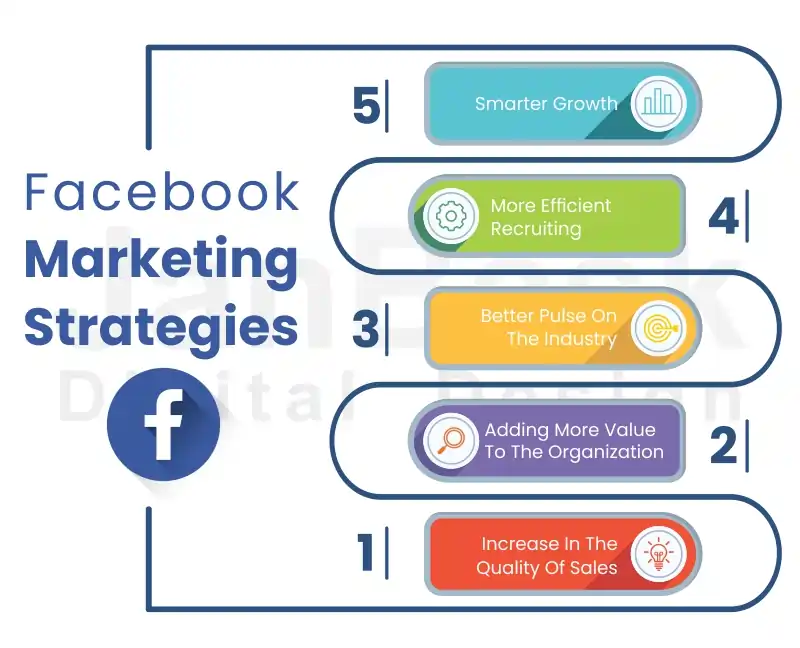
Parallel to retargeting, you can also set up Facebook Ads to position your post in the FB feed of a new audience. This method is not as effective (cost-wise) as the retargeting method, but you still have to do it because:
- It helps you promote your content to new audiences
- It enables you to grow your retargeting audience
- It’s a great way to make your brand known to more people
Strategy 7: Add New Content on Your Homepage
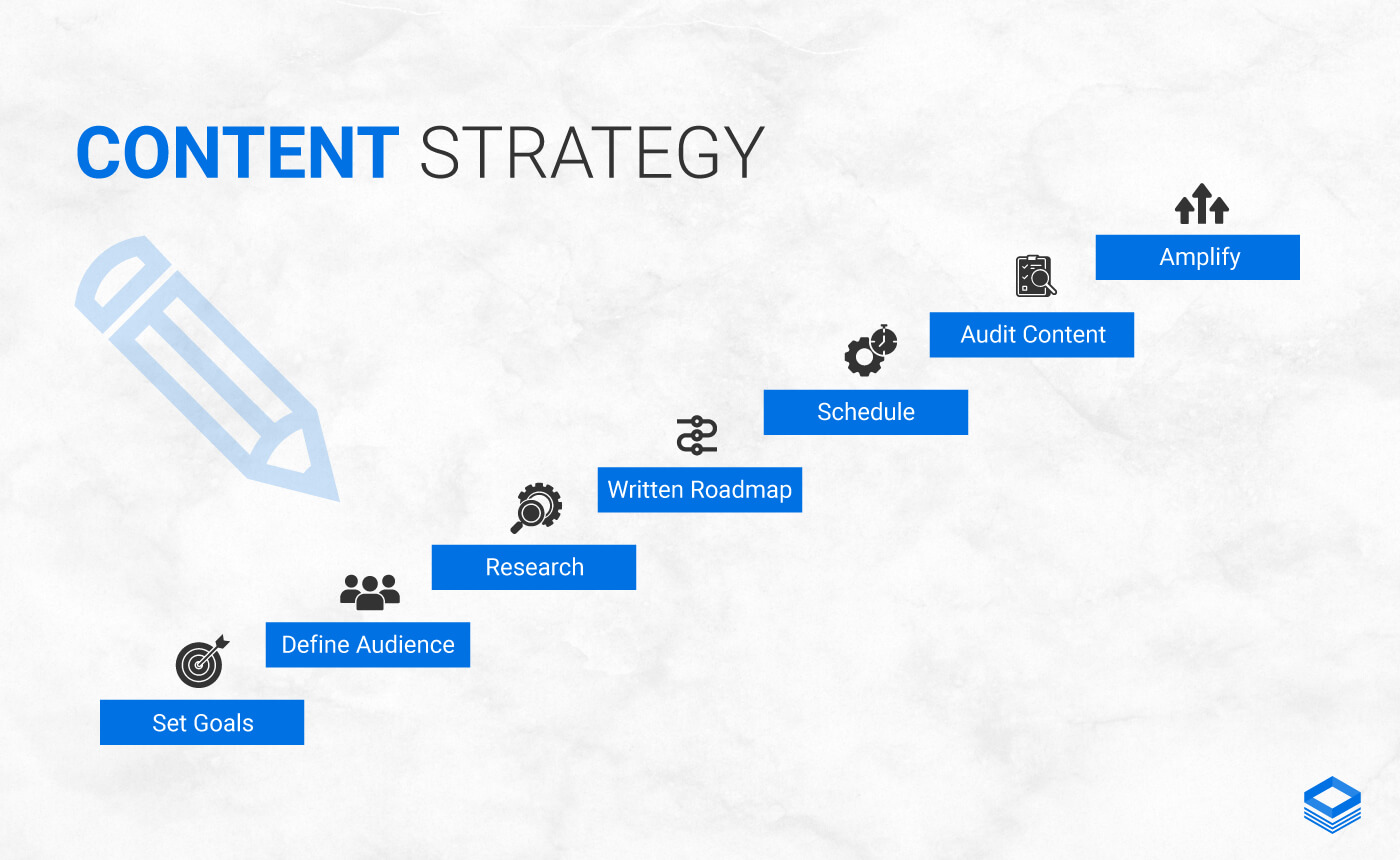
Once you’re done with the above methods, which are proven to work better than all the other methods, it is time to do some work to promote your content internally, i.e., on your website. From my experience, this is a step many people ignore, but this is a big mistake, and I’ll explain why below. When you publish new content, you need to:
Add a link from your homepage – You must do this for many reasons. First, a website’s crawling starts from the homepage. Crawlers monitor and can quickly spot new links on the homepage, speeding up the time it takes to index your content.
Help direct visits find your content – If you already have traffic on your site and check your Google Analytics reports, you’ll notice that you have ‘Direct’ visits. These people visit your site to check for new content, and most of them (you can confirm this by looking at the ‘Landing Page’ report) land on your homepage.
Strategy 8: Promote Content with Internal Links
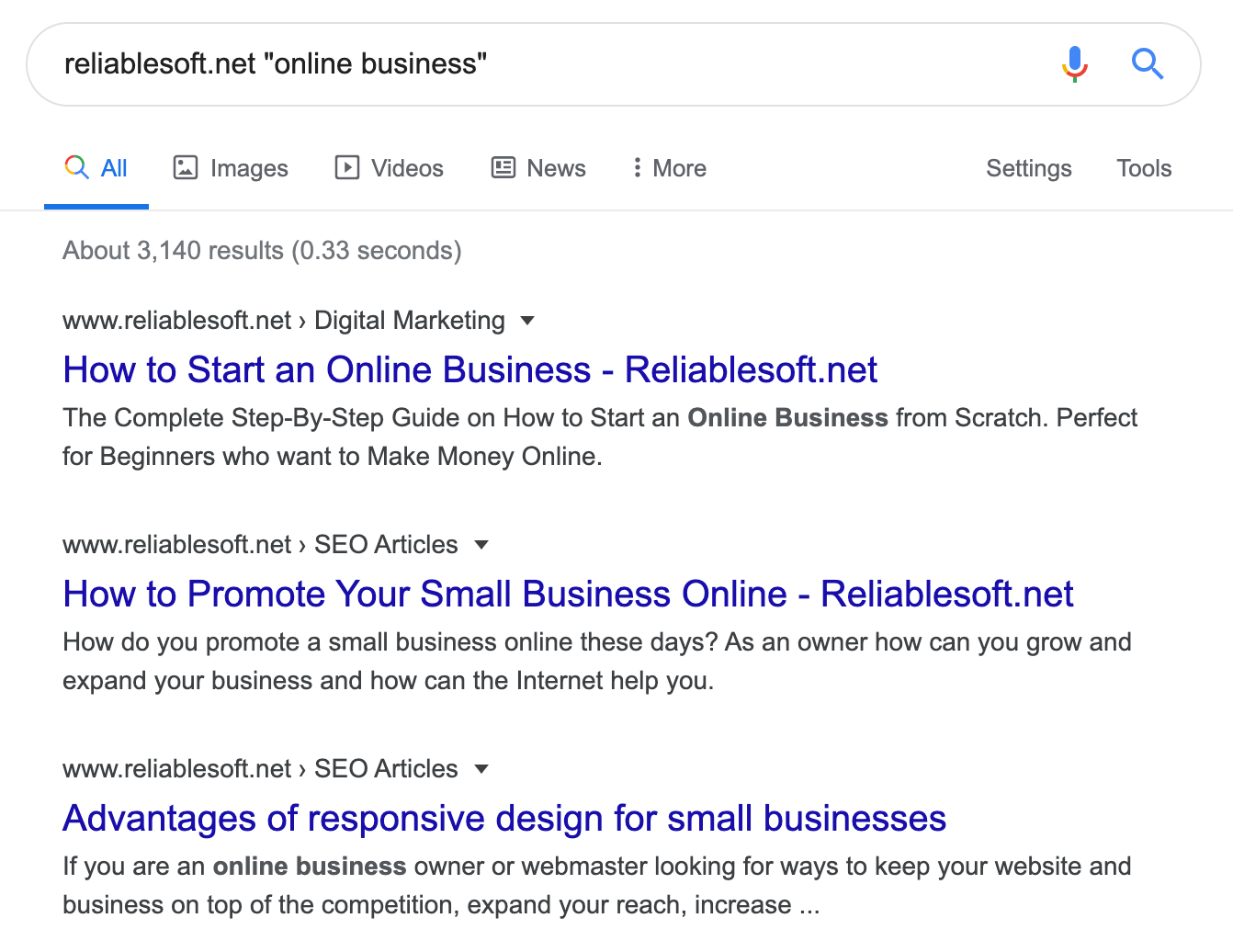
An optimized internal link structure can help your SEO in many ways. It helps search engines and users find the content they need on your site. When you publish a new post, go to Google and search for your site name + “keywords targeting in your post”. The next step is broken down into two parts:
- First, find related articles on your site and add internal links to your new content.
- Second, find the high-authority pages of your site and link them to your new content.
Strategy 9: Use Guest Posting
I know in advance that this step will be followed by a very small percentage of content creators, but it’s a highly effective method of promoting your new content. This step is more difficult than the other methods because you need to do some work and send a few emails to find websites on which to guest post and promote your work. To make you feel better, if this step is too hard for you to follow, then don’t do it for every new piece of content you publish but for your best content.
Strategy 10: Connect With Influencers

When you make a one-to-one conversation (through email or Skype) with other bloggers in your industry, it’s like building business relationships. You both have common goals and can greatly help each other in many ways. This differs from mass-emailing unknown contacts begging for links (a complete waste of time and often irritating method). The best way to start a conversation with an influencer or another blogger is to give them value and then ask.