Keyword value is all about attracting the right audience, not just any audience. It’s based on the basic premise that sure, targeting a high search volume keyword sounds good in theory, but what about ROI. Is there any value to the type of site visitors the targeted keyword attracts. The thing is, though, targeting such a keyword is a high-stakes gamble. If it pays off, it has the potential to draw a lot of organic traffic, mmm-but the competition for such a broad phrase is HOT, and the audience may not necessarily be paying clients. Not to mention, if you aren’t Forbes or some other high-authority site that (allegedly) gets special treatment from Google, man, good luck ranking. In this article I will explore how to Understand Keyword Value for SEO Strategy.
Related post: 10 Free Tools to Find Competitor’s Keywords
How to Calculate SEO Keyword Value

Let’s ditch the idea that the highest search volume automatically equals the most valuable keyword. Calculating true keyword value is a bit more nuanced. To calculate the real potential of a keyword, you’ll need to consider several factors:
- Search volume: The average number of times people search for that keyword per month. It’s a starting point, but don’t put all your faith in big numbers alone.
- Conversion rate: The percentage of searchers who take a desired action on your site (buying or subscribing).
- Retail price: The price point of your product or service.
- Cost of goods sold (COGS): All the costs involved in creating or sourcing your product.
- Keyword difficulty: How tough it is to rank on the first page for that keyword.
- Search intent: Navigational, informational, commercial, or transactional?
Here’s how to calculate SEO keyword value. Think of it as your keyword value calculator—a formula you can return to that’ll help you discern whether a keyword is truly worth targeting:
Keyword Value (KV) = (Search Volume) x (Conversion Rate) x (Retail Price−COGS) x Intent Multiplier / Keyword Difficulty
Interpreting Search Intent for High-Value Keywords
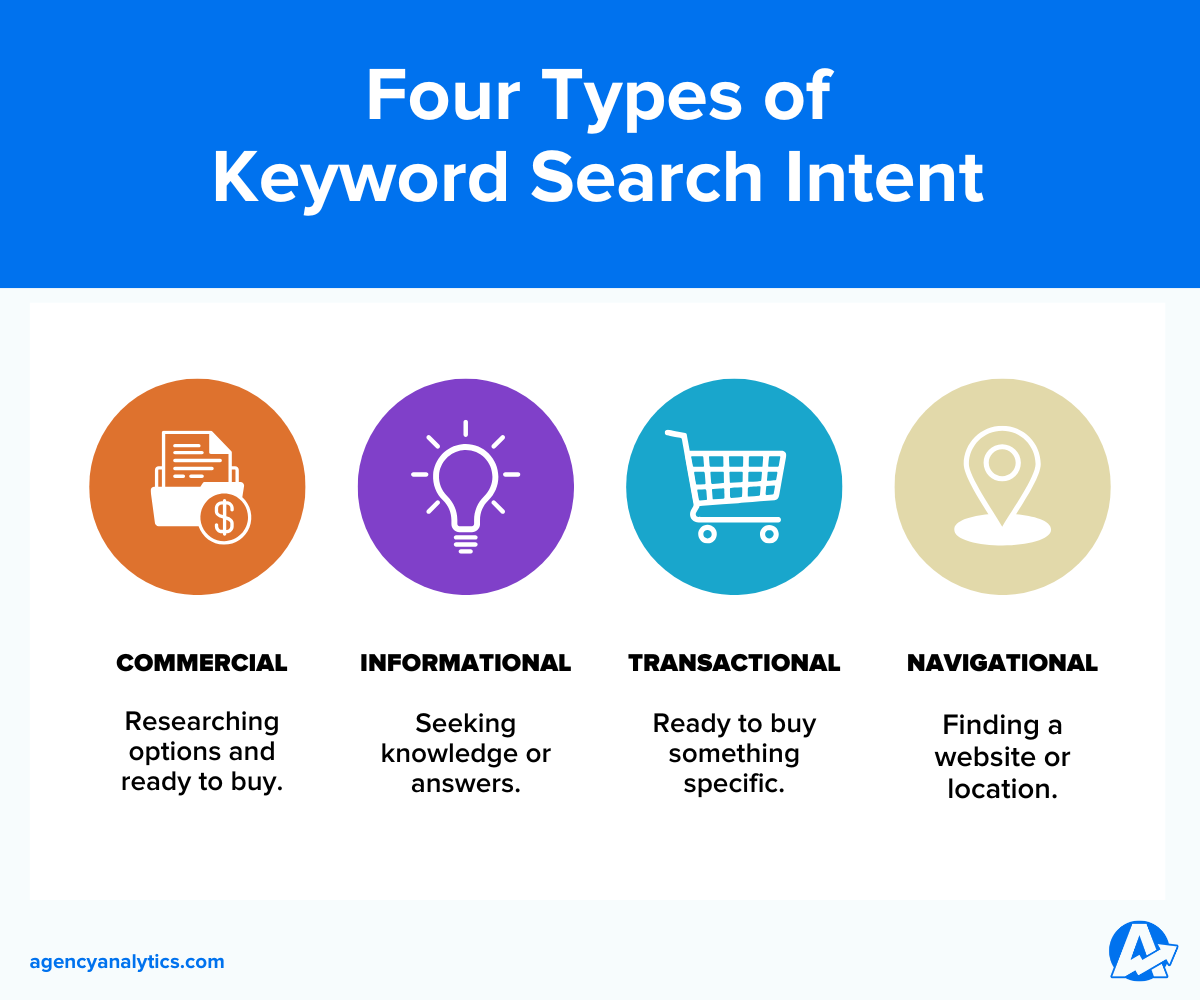
Think of search intent as the “why” behind the keyword. Understanding what the person searching truly wants is key to finding lucrative keywords. Here’s a definition of the four different search intents I mentioned earlier:
- Navigational: They want to reach a specific site or page (“Sennheiser”)
- Informational: The searcher is looking for answers or knowledge (“which Sennheiser’s headphones have noise-calling”)
- Commercial: They’re researching products or services with the intention of buying (“best Sennheiser noise-canceling for remote work”).
- Transactional: They’re ready to buy (“Sennheiser had 458bt”)
Using Keyword Value to Guide Your Content Creation

So, how can your keyword value calculations help with content creation? Here’s how to apply your findings:
- Look beyond search volume alone. Seek out keywords with that balance of realistic search volume, the right intent for your business goals, and potential profitability based on your profit margins.
- If you have limited resources, create content around the keywords with the highest potential KV score first. However, don’t neglect those mid-tier terms—they might be easier wins.
- Are people browsing, or are they ready to buy? If your KV calculations hinge on conversions, focus on keywords with transactional intent and tailor your content to nudge them toward a purchase.
- Monitor which content ranks well, but also what drives actual sales or leads. This helps you refine your KV formula—maybe certain intents are worth more than you initially estimated.
Keyword Value as a Competitive Advantage

Think your competitors have all the good keywords locked down? Think again. Strategic keyword value analysis lets you outsmart them, not just chase the same targets. Start with a gap analysis, using tools to compare where they rank well, and you don’t. These tools will help:
- SEMrush and Ahrefs offer robust competitor analysis features. See where your competitors rank and you don’t. Filter by search volume, intent indicators, and even estimated difficulty to find those overlooked gems.
- While less in-depth, tools like Uber suggest, Google SERP API, or Google’s Keyword Planner can still reveal gaps. Look for their “People Also Ask” sections for untapped terms related to your competitor’s keywords.