Backlinks are among the most critical SEO ranking factors, but not the only ones. In the past, you could rank in the top positions of Google by getting more links than your competitors. But things have changed, and other factors are equally (or more) important than backlinks for rankings. Nevertheless, for many people, it makes sense to have a number to target, and in this post, I will explain how Many Backlinks Do I Need to Rank High on Google?
How Does Google Rank Websites?
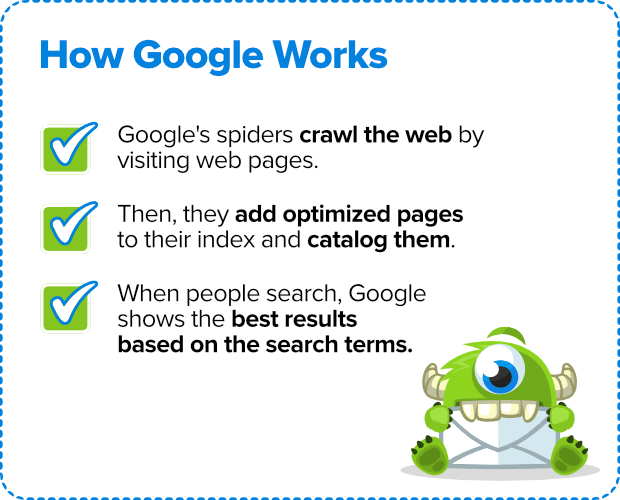
To understand the role of backlinks in ranking, you need to know how Google ranks websites in the search results. In other words, when a user enters a search query. its help to ranking algorithm decide which websites should be shown in the top positions.
Here is a simplified overview:
Search Intent – Google prioritizes content that best matches what the user is looking for. It analyzes the words in the query and tries to understand the user’s intent behind those words.
Content Quality – Google evaluates the usefulness and relevance of your content. High-quality content is well-researched, informative, and addresses the needs of your audience.
Domain Authority – Google looks at a website’s overall strength and credibility. This is built over time through high-quality content and a good user experience.
How To Estimate How Many Links You Will Need?
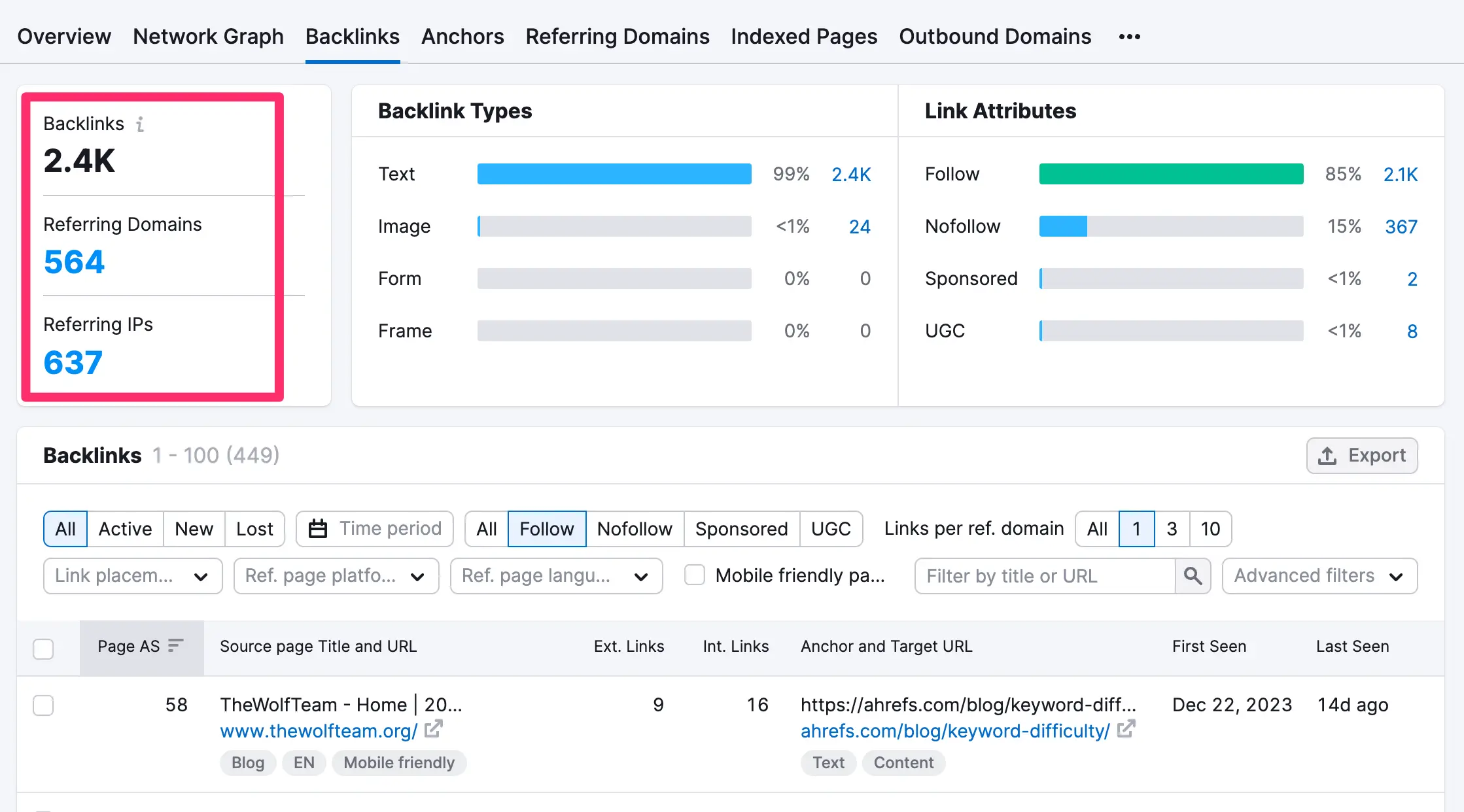
So, links can help surface your best content to Google to make it eligible to appear in the results. What’s an easy way to calculate how many links you need? The answer is to do a link gap analysis to compare your link profile with your competitors. That’s why no definite answer exists on how many links you must build. What you read online about needing 50-100 backlinks is wrong. The number of links you need depends on the query, domain authority, and competitor’s domain authority.
Let’s look at the steps to get a rough estimate.
- Search for your target keyword on Google.
- Take note of the URLs of the top 3 organic results.
- Use a backlink checker tool to view the backlink profile of those domains.
- Use a backlink checker tool to analyze the links for the particular URLs.
What Are Good Backlinks and How Do You Get Them?
Despite doing the above calculations, link building is not exactly a number game. Your analysis may indicate that your main competitor has 200 links, but if these come from low-quality websites, you don’t need that many. What is more important than quantity is the quality of the links.
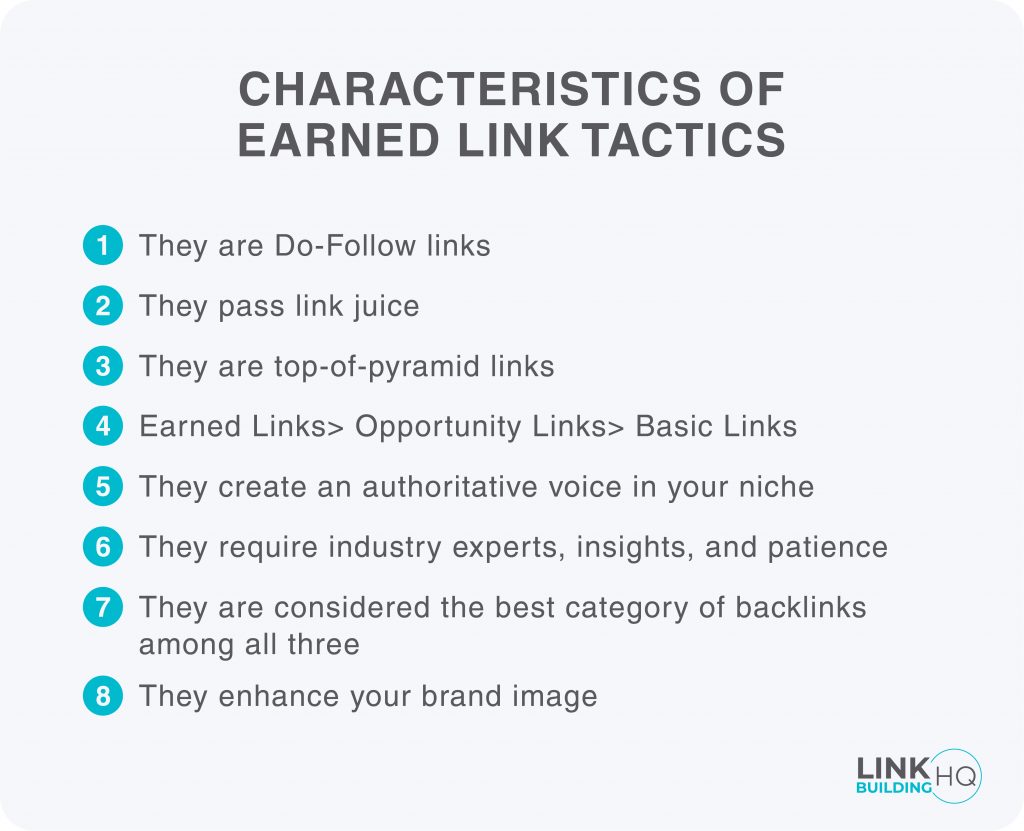
What are the characteristics of good backlinks?
1. Relevant to your content: The backlink should come from a website relevant to your niche or industry. For example, if you run a travel blog, links from other travel-related sites or blogs are more valuable than those from unrelated sites.
2. Higher domain authority: Links from websites with a higher domain authority than yours carry more weight. These are sites trusted and respected in their industry. Examples include well-known news outlets like the New York Times, industry leaders, and popular blogs.
3. Links from different domains: Having more than one link from the same domain is not helpful. It’s better to have backlinks from various websites rather than many links from the same site. This shows Google that your content is widely recognized and valued. When doing your analysis, use the number of unique domains as your main metric, not the total number of links.
4. Not part of a link exchange or paid for: It goes without saying, but any backlinks should be given freely by site owners because they genuinely find your content valuable and not paid or exchanged links
5. Relevant anchor text: The clickable text of the backlink (anchor text) should be relevant to the content it links to. However, it should not be over-optimized with exact-match keywords, as this can appear spammy to Google.
How do you build links?
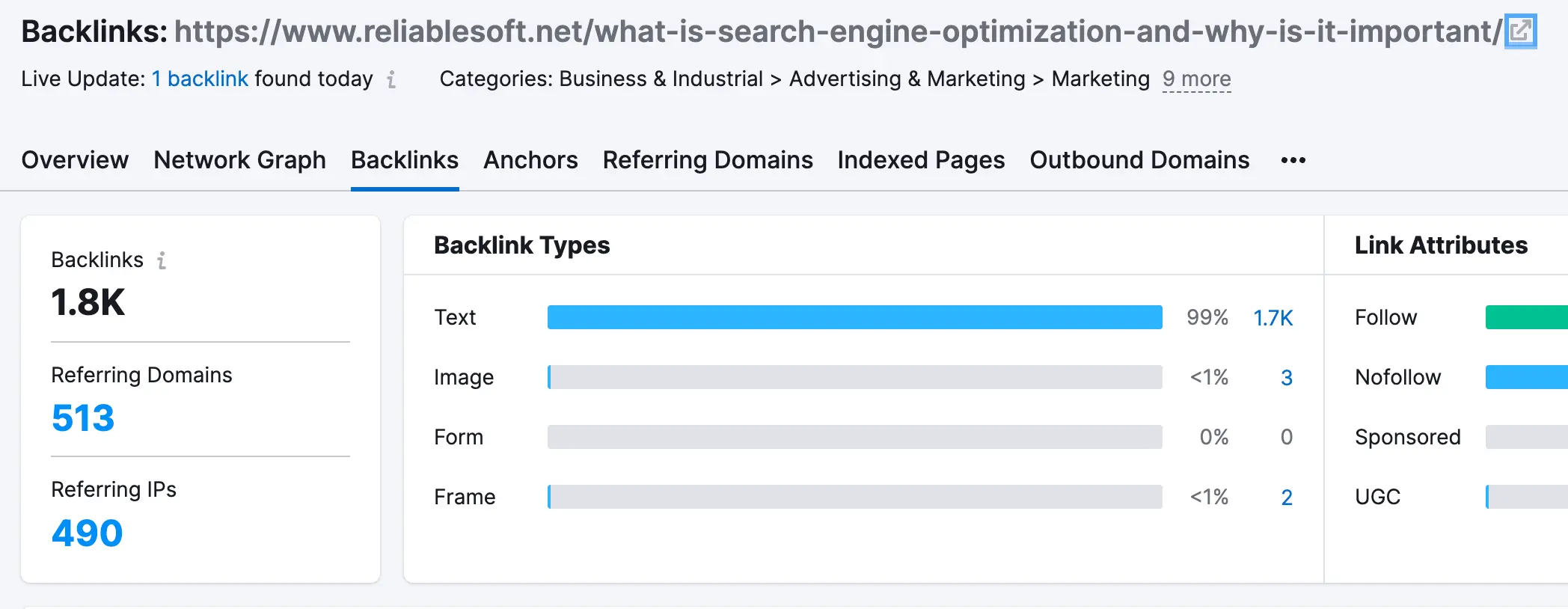
We have dedicated guides on how to build high-quality links for your website (see below). The most important techniques are:
1. Create linkable assets: Create valuable, shareable content that others naturally want to link to. This could be blogging posts, studies, research, or comprehensive guides.
2. Get links from partners: Look for resource pages in your industry and suggest adding your content to these lists. Resource pages are designed to provide valuable links to readers, making them a great opportunity for backlinks.
3. Guest blogging on reputable websites: Guest posting can negatively impact your rankings when done wrong, but when executed correctly, it is a good way to build links to your website. The secret is not to guest post on any website but only on highly authoritative websites relevant to your niche. It’s not easy to do, but it’s not impossible either.
4. Broken link building: This is time-consuming but can work because it offers value to other websites find broken links on relevant websites and offer your content as a replacement. This helps the site owner fix their broken links and earns you a backlink.
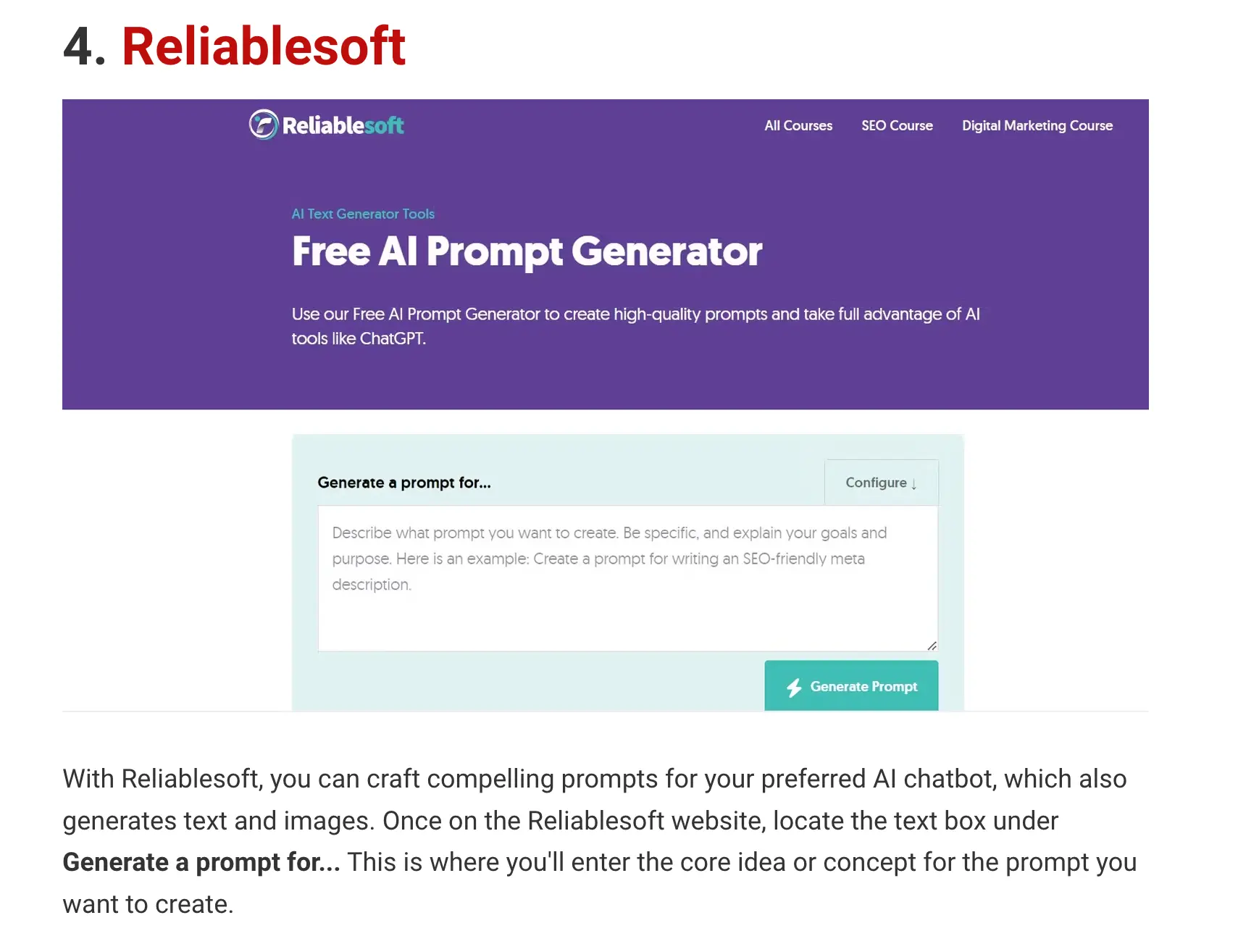
5. Create free tools: Creating free tools related to your industry is a great way to get traffic, brand mentions, and links. A nice example is our AI Text Generator Tools. We created a suite of AI tools that help users with writing tasks. Many of the tools rank high on Google and get links from reputable websites.
6. Social Media: Promote your content on social media platforms to increase visibility and encourage others to link to it. The more your content is seen, the higher the chances of earning backlinks