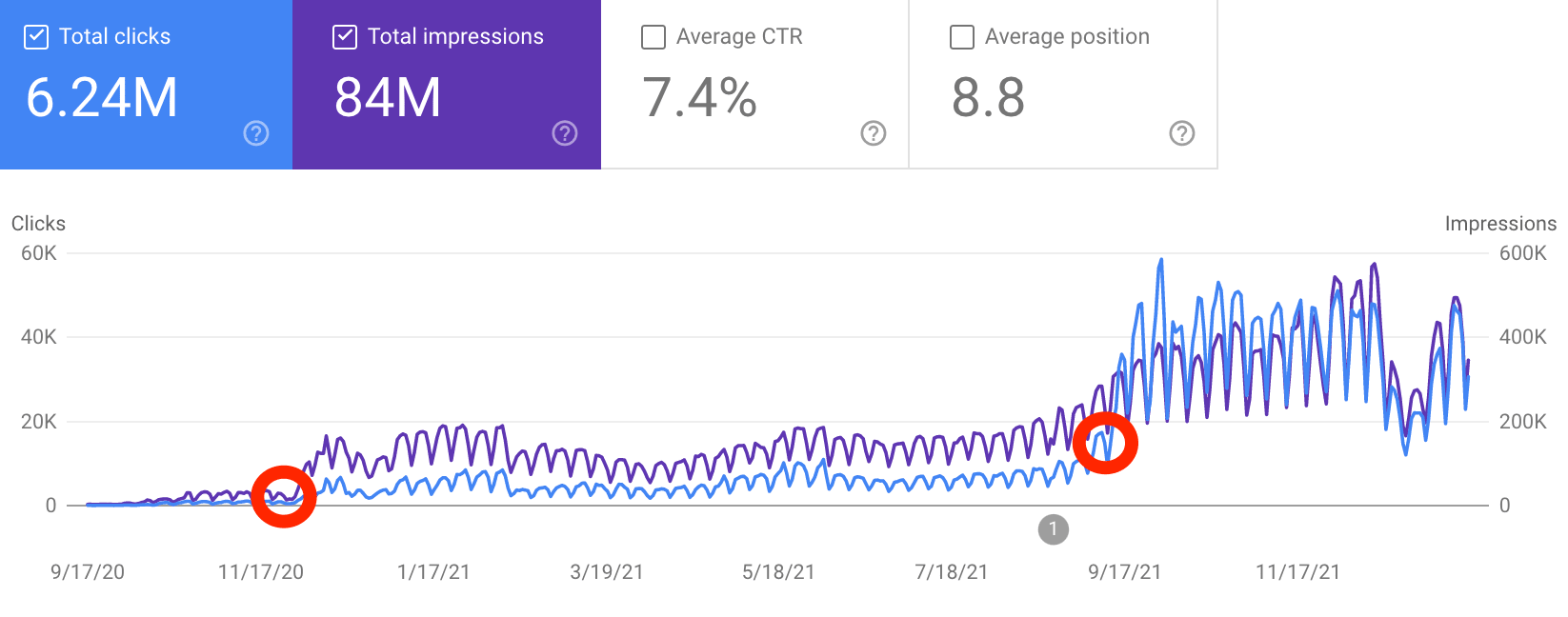
If you’re anything like me, link building makes you cringe. I hate digging up random email addresses and creating “personalized” outreach messages begging for backlinks. After a few failed attempts, I knew I needed to find a way around link building. This is my complete guide to SEO without backlinks. Using the below strategies is one of the main ways I’ve gotten one URL to more than 3.9 million clicks in the last 16 months without a second spent on link building. Here we discuss how to Rank Without Backlinks.
10 ways to rank without backlinks in 2025
1. Start with an expert writer
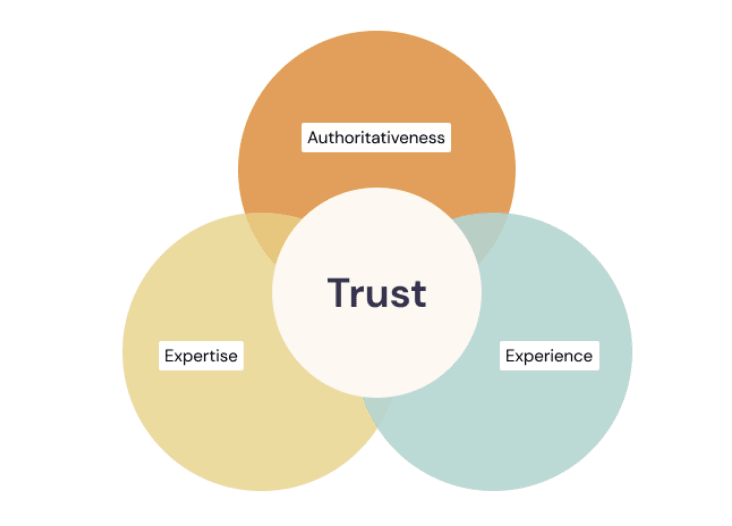
An expert writer is not going to give you a killer draft. They will also help you rank without building backlinks. Why? Four letters: E-E-A-T (experience, expertise, authoritativeness, and trustworthiness). E-E-A-T is part of Google’s Search Quality Rater Guidelines. It’s the playbook people use to evaluate the quality of search results. Quality Raters give Google feedback to help the algorithm provide better results.
Experience
The writer has firsthand experience with the subject matter. This proves that their suggestions are tried and true. For example, a writer can speak from personal experience and show photos that prove it.
Expertise
Quality Raters also look at a writer’s topical expertise. Do they have the knowledge and qualifications to offer reliable information? Expertise and experience are similar, but they’re not the same thing. Think of the topic of investing. People will want advice from an accredited professional. That’s expertise.
Authoritativeness
Authoritativeness refers to the writer’s reputation in their industry. Quality Raters have to look at the creator, the content, and the website to determine authority. Writers who are authoritative are seen as a good source of information. This can help you rank higher in search engines without doing link building.
- Investopedia is a reputable website for investing advice
- The authors are trading professionals
- Two experts review and fact check the content for accuracy
Trustworthiness
Being trustworthy is the most important part of E-E-A-T. Quality Raters will take the writer and website into account to determine trustworthiness. Be open about who wrote and reviewed your content, edit for accuracy, cite your sources, and don’t hide content behind ads.
2. Go for low competition, long-tail keywords
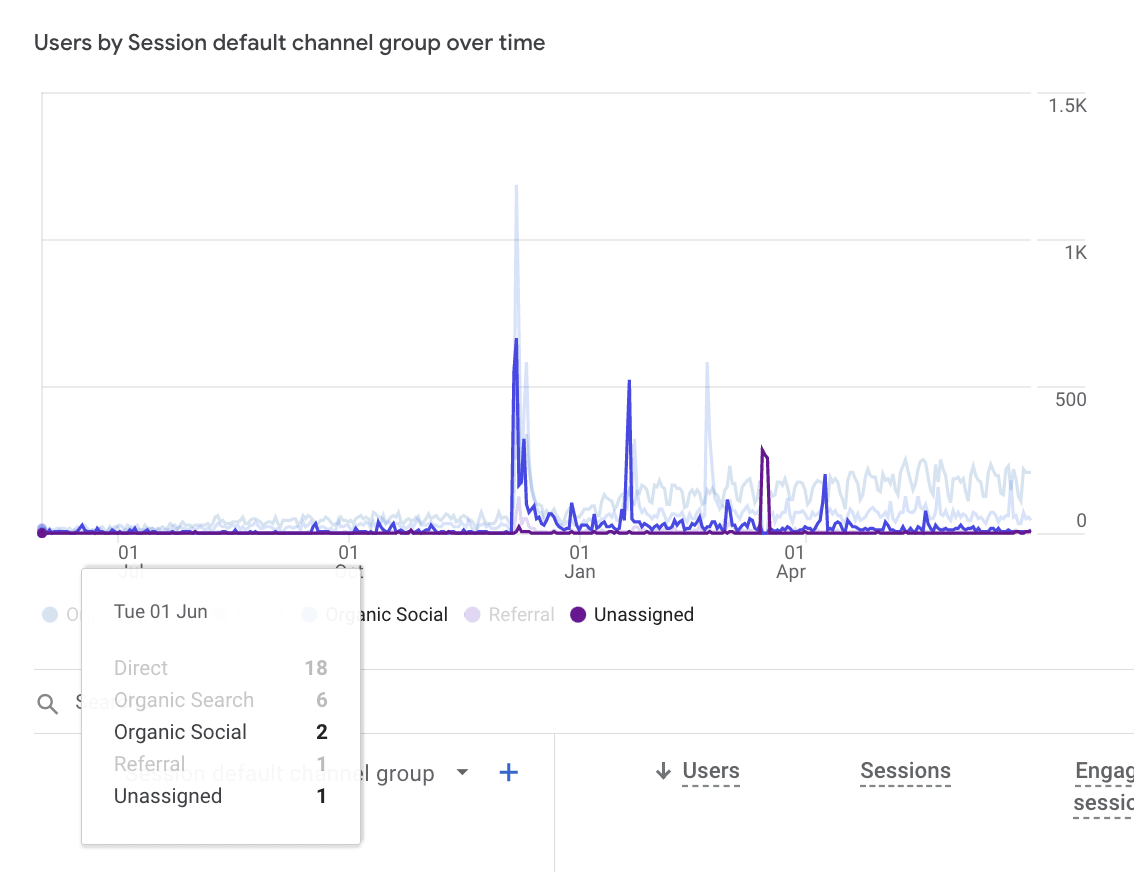
Low competition keywords are search queries that have fewer websites trying to rank for them. They are great for ranking without backlinks because, well, they’re easier to rank for. There is an idealized version of “high search volume, low competition” keywords. But these are extremely rare to come by. The goal here is to find low competition keywords within your niche. As you rank for more of them, you can build credibility and eventually rank for tougher keywords.
3. Create valuable content
You’ve got your expert writer and your list of juicy keywords to go after. Now the fun part: creating the content to rank. Well-researched, well-written, and optimized content is key. Search engines aim to prove the best possible results for users. If your content provides valuable information, people are more likely to:
- Stay on your page longer
- Share your content
- Return to your site
4. Tidy up you’re on-page SEO
Guarantee your on-page SEO is in shape before publishing the content. This may feel a little basic, but it’s a good idea to run through the following checklist, whether for a blog post or landing page:
- Optimize your title tags: Your title tag is the first thing users and search engines see. It should be enticing and include your main keyword.
- Use meta descriptions: Provide a brief summary of your page content. Make sure it’s appealing and includes your primary and secondary keywords.
- Improve URL structure: Make URLs SEO-friendly—short, clean, and descriptive, and include the target keyword.
- Use headings and subheadings: H1, H2, and H3 tags make your content easier to read and navigate. They also help search engine bots understand the structure of your content.
- Optimize images: Use relevant images with optimized file sizes to improve page load times. Include descriptive file names and alt text for SEO and accessibility.
- Use reputable external links: Linking to credible high authority sites can improve SEO and provide additional value to your readers.
5. Focus on internal linking
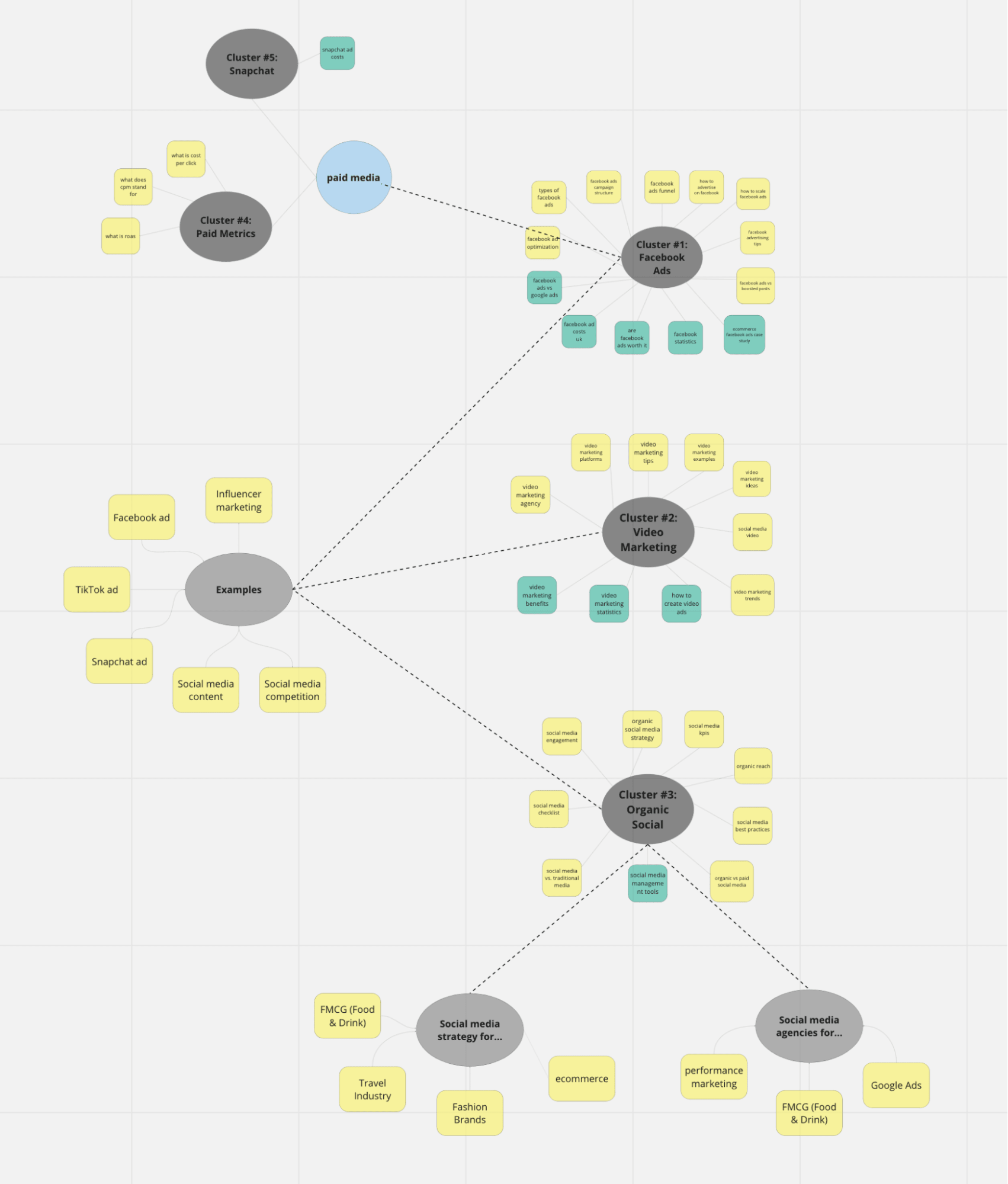
Internal linking refers to linking one page on your website to another. These links help guide visitors through your site and create a good user experience. They also help search engines understand the structure and hierarchy of it. Think of your website as a house. Each page of your site is a room. Internal links are the doors that let you move from one room to another. If you have a new room (page) but no doors (internal links) leading to it, your guests (users and search engines) will struggle to find and reach that room.
- Use descriptive anchor text: The clickable text in a hyperlink is called anchor text. Make sure it’s descriptive and gives an idea about the linked page. This will give you some link juice and tell search engines what the page is about. Avoid over-optimization—using exact-match keywords excessively—which can look spammy to search engines.
- Link deep: Rather than just interlinking your top-level pages (like home, About Us, Contact Us), make sure you’re linking deeper to individual blog posts, product pages, or service pages. These are typically the pages with unique, valuable content.
- Use follow links: Ensure your internal links are “follow” links, meaning that search engines are allowed to follow them and pass link equity.
6. Optimize each page with Clear scope
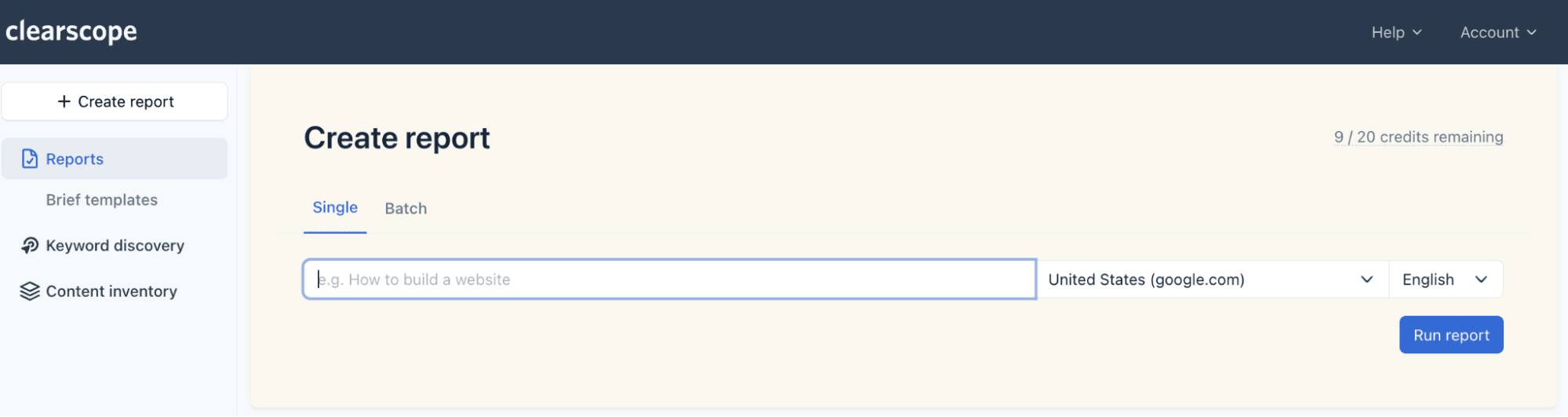
Clear scope is a keyword research and content optimization tool. Its main feature is helping you optimize webpages for search—and it works well. Clear scope grades your content based on content relevance and comprehensiveness. It scans your content for terms Google considers closely related to your target query. Then, Clear scope gives you a letter grade based on how well your content is optimized. Clear scope is also so easy to use. When you login to Clear scope, you end up on the dashboard page. It’s here you run reports.
7. Build research reports
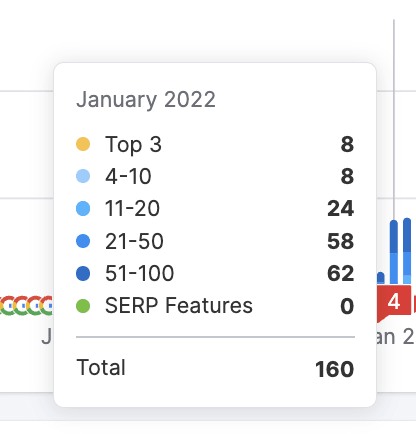
Research reports are a secret SEO technique when it comes to ranking without link building. A research report refers to compiling, analyzing, and presenting data on a specific subject. It’s a fabulous asset for new sites because it’s original and authoritative—two things Google likes. When we launched Peak Freelance’s first writing rates report in December 2021, we didn’t even optimize the report for search engines, and by January 2022, we were already seeing the URL move onto first page for various keywords.
9. Tweak for click-through rate (CTR)
CTR is a metric that looks at the percentage of people who click on your link after seeing it in search engine results. A high CTR means people find your link relevant and interesting, which tells Google you’re worthy of higher placement.
Here are a few practical strategies to maximize your CTR:
- Improve your title tags: Make sure your title tag is enticing, relevant, and includes your target keyword. Use numbers, special characters, or emotional adjectives to make it more appealing.
- Create optimized meta descriptions: Your meta description should provide a concise and enticing summary of what users can expect if they click on your link. Including a clear value proposition can help encourage clicks.
- Use structured data: This can help enhance your search listings with “rich snippets,” which can include things like ratings, images, or prices. These can make your link more eye-catching and informative, which can increase your CTR.
10. Update underperforming content
Got a URL (or a few) that’s hanging around on page 2? Updating underperforming content involves taking those pieces (which could be underperforming in terms of organic traffic, engagement, or conversions) and improving on the content. Content updating is a smart way to improve your Google rankings, as it takes less time and resources than creating new content from scratch. “Freshness” is also a page ranking factor. The Google algorithm aims to provide the latest information for keywords.
Here’s how to update content:
- Identify underperforming content: Use Databox’s Decaying Site Pages & Posts (it’s free) databoard template to identify content that isn’t performing well. This includes content that’s dropped in sessions and ranking.
- Analyze the issue: Understand why the content is underperforming. It might be outdated, off-topic, missing search intent, poorly written, too short, or lacking in SEO optimization. Or, there could be technical issues like slow page load times or broken links.
- Revise and improve: Based on your analysis, revise and improve your content. Update outdated information, expand on underdeveloped points, improve the writing quality, optimize for SEO, and fix technical issues. Hire a Technical SEO specialist on Fiverr if you need the extra help.
- Promote your updated content: Once you’ve updated your content, make sure to promote it. This might involve sharing it on social media, featuring it in your email newsletter, or using other promotional strategies.