Starting off with building a Facebook fan base can seem daunting. However, understanding how to target the audience of your competitors on Facebook is a smart move. Unfortunately, Facebook won’t hand you a list of your competitor’s fans for targeting with organic posts and ads. It’s not that straightforward. Due to strict privacy regulations, Facebook does not allow for the direct targeting of competitors’ audiences. Yet, this doesn’t mean there is no way to reach them. You must put in more effort by utilizing available metadata about your competitor’s audience, such as their interests, demographics, and locations. Here we discuss How to target Competitors’ Audience on Facebook.
Why Target a Competitor’s Audience

The effectiveness of any organic or paid marketing effort on social media is directly tied to the precision of your audience targeting. Aiming at the incorrect audience can lead to squandered resources and lackluster results in both engagement and conversion rates. Conversely, identifying and targeting the right audience with well-crafted content that resonates with their preferences can significantly:
- Boost your follower count
- Unearth more lead opportunities
- Secure a higher rate of conversions
- Enhance the efficiency of your advertising efforts
- Minimize advertising expenditures
2. How to Target competitors’ audience on Facebook
Ideally, you could use data analytics tools to directly target supporters on your competitor’s Facebook page. However, Facebook’s privacy regulations prohibit such activity. As a result, you’ll need to rely on traits like hobbies. If you’re ready to understand how to target a competitor’s Facebook audience, follow these steps.
Define Your Audience

Initiating the process requires the establishment of your ideal target audience. Crafting a detailed customer profile or avatar, representative of the individuals you aim to reach, is an essential first step. This foundational work facilitates the identification of competitors with overlapping target groups, thereby ensuring your efforts are focused on the most relevant adversary audiences. Understanding your ideal customer deeply is also pivotal for demonstrating that your offerings surpass those of your competitors in value.
Find Your Competitors’ Pages
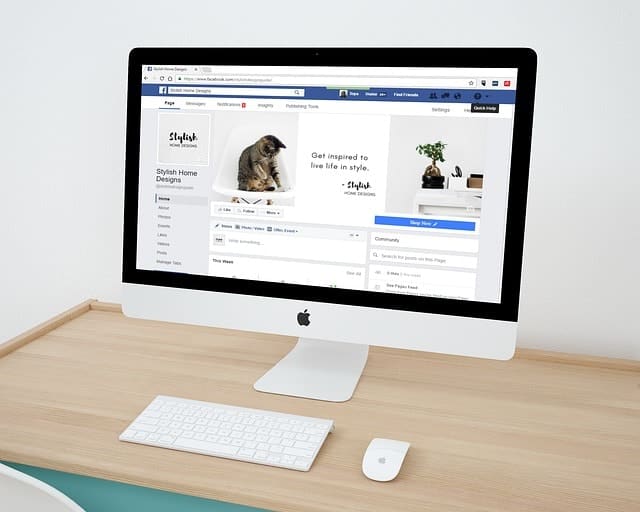
After defining your target audience and identifying your competitors, the next step is to locate the Facebook Pages of the most pertinent competitors. Utilize the following strategies to streamline this process:
- Start by thinking about well-known brands and influencers within your sector.
- Use keywords associated with your target audience for searches on Facebook
- Investigate the Community section of your competitor’s Facebook Page.
3. Use Potential Audience Insights
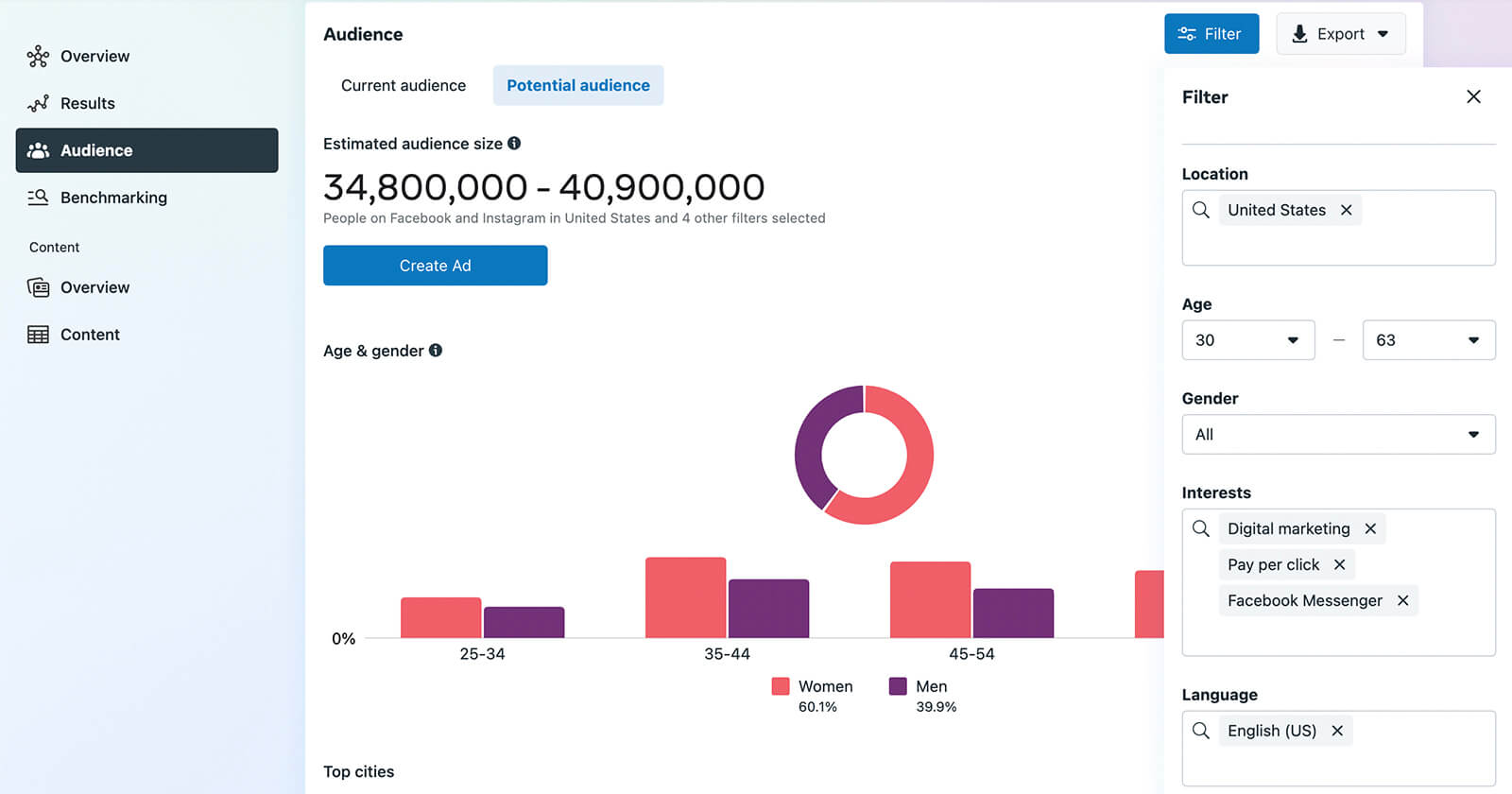
Delving into the Meta Business Suite’s Audience Insights can offer strategic intel on your competition’s Facebook presence, including insights on both your direct competitors and their followers. This exploration allows for the extraction of keen insights by deploying filters to parse through data more relevant to your specified target audience.
Essential aspects to concentrate on include:
- Interests: This encompasses sectors, types of companies, and professions that fans of your competitors have shown an affinity for.
- Demographics: Key demographic data such as age group, gender, lifestyle choices, education levels, relationship status, job roles, and household sizes are vital.
- Location: Identifying the geographical distribution of your competitors’ Facebook Page owners provides a strategic alignment in targeting
Research Individual Pages
Exploring another angle for harnessing your competitor’s audience on Facebook requires dedication; it involves a deep dive into the Facebook Pages of your competitors’ fans. Be prepared to sift through numerous Pages to compile a comprehensive audience profile. Although arduous, this method promises the advantage of identifying high-quality leads for targeting. Begin by engaging with these Pages through Likes and Follows, which prompts Facebook to suggest Friends and Related Pages worth investigating further.
- Likes and follows: Observing who interacts with your competitors’ Pages.
- About sections and Page links: These areas can reveal connections to related sites and further insights.
- Audience metrics: Gaining a sense of scale from follower counts, comment activity, and share volumes.
- Communities: Engaging with these can offer more direct insights into audience preferences.
Create Ads That Resonate
The process illuminated thus far sheds light on the intricate technicalities of attracting a competitor’s audience on Facebook. However, the culmination of your strategy lies in crafting ads that genuinely resonate with the very audience your competitor targets. Whether your choice of ad format leans towards the immersive Instant Experience or the more traditional news feed placements, the crux of your success hinges on content precision.
- apture Immediate Attention: Engage prospects the moment they see your ad.
- Address Pain Points: Directly speak to and offer solutions for their problems, making your ad relevant and compelling.
- Provoke Emotional Engagement: Connect on an emotional level to make your brand and offer memorable.
- Anticipate and Address Objections: Deal with potential hesitations in your ad copy to smooth the path to conversion.
- Differentiate Your Offer: Clearly articulate what sets your product or service apart from your competitors.
Use Detailed Targeting
In tackling the challenge of reaching your competitor’s audience on Facebook, engaging with the Detailed Targeting options becomes imperative. Start by leveraging the search functionality within this section, inputting keywords that encapsulate the essence of your competitor’s brand, their product offerings, and their audience characteristics. This approach, while more expansive and potentially less precise due to Facebook’s stringent privacy regulations, represents a pragmatic pathway to audience outreach.
- Interests: Delve into both the browsing and search functionalities to pinpoint specific interests tied to your competitor’s Facebook Page or products. Direct targeting of a competitor may be off-limits, pushing you towards focusing on product-related interests as a viable alternative.
- Demographics: Employ demographic filters—ranging from age brackets to gender identifiers—drawing on insights from both your own audience analysis and the intel derived from competitor research.
- Behavior: For a focus on individuals who manage or own Facebook Pages, select the Behavior category and specifically target Facebook Page Admins to home in on a niche segment.
- Location: Localize your ad targeting by adding geographical parameters. This can be as precise as targeting by zip codes or as broad as targeting entire countries, with the option to refine by regions or states.
FAQs:
1. What is audience targeting?
Audience targeting is the process of selecting a specific group of people to show your ads to on Facebook. This allows you to reach a more relevant audience and increase the chances of conversion.
2. How do I create a custom audience for my Facebook ad?
To create a custom audience, go to your Ads Manager and click on “Audiences”. Then, click on “Create Audience” and select “Custom Audience”. From there, you can choose from options such as customer file, website traffic, app activity, or engagement on Facebook.
3.Can I target by interests on Facebook?
Yes, you can target users based on their interests and hobbies. This can be especially useful if your product or service caters to a specific interest group.
4.What is lookalike audience targeting?
Lookalike audience targeting allows you to reach new people who are similar to your existing customers or website visitors. This is done by using Facebook’s data and algorithms to find users with similar characteristics and behaviors.