
If you are a small business owner, regardless of your industry, good email marketing strategies will help you foster better relationships with your customer and build a stronger brand to help you keep growing your business. Email marketing is all about sending emails with the right content to the audiences in your email list based on where they are in your marketing funnel. Here we discuss best email marketing strategies for small businesses.
Email Marketing Strategy
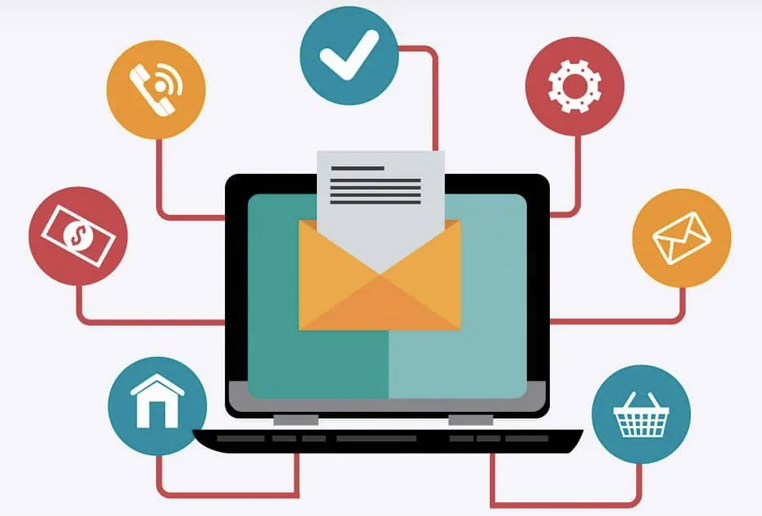
Email marketing strategy is a set of methods used by the marketing team to follow the desired set of marketing goals with email advertising. The plan of action gives the businesses a direct communication channel with leads and customers for brand promotion. A well-planned email strategy in place allows you to set goals and be an easy-to-follow roadmap for a successful email marketing campaign. It also makes it easier for your other business stakeholders to know what they need to do at a given time, ensuring synchronicity while implementing an email campaign.
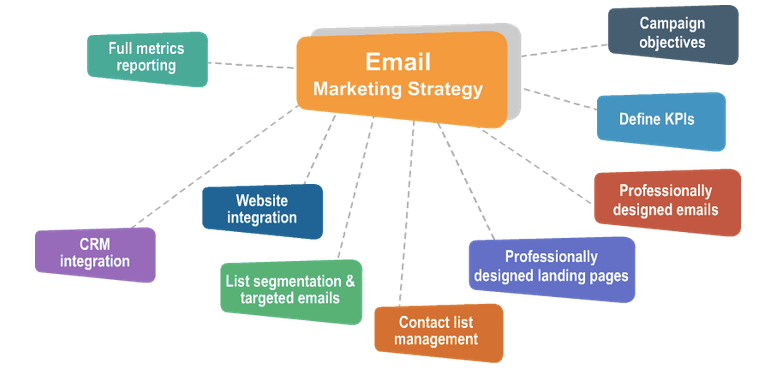
Develop a Good Email Marketing Strategy?
The first thing you need to do when you are developing your marketing strategy plan is – that it should be based on what you are planning to accomplish. Emails should be aimed differently based on what you hope to accomplish and who you are planning to target. When you plan your strategy, you should ask yourself these questions:
- Who are you sending your emails to?
- What is the actual reason for sending the emails?
- What is the type of email you are planning to send?
- What is the type of content are you planning to send?
- How often would you be sending these emails?
- Do you have a good design for your email?
- Have you referred to a good email marketing strategy?
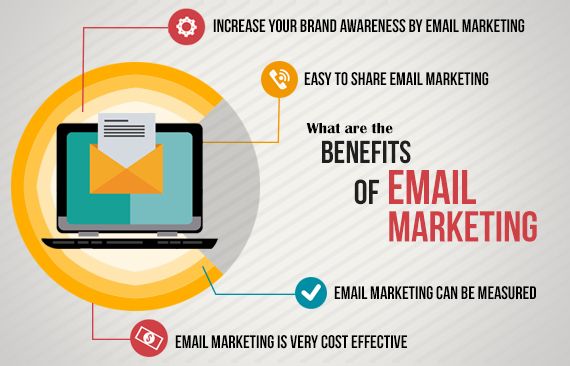
How to Create best Email Marketing Strategy?
Let us look at some of the steps that you should follow to develop good marketing strategies:
1. Set your email marketing goals
Set goals for your email marketing campaigns based on the purpose you are trying to fulfill. Your goals can be to increase customer engagement, increase loyalty, maximize ROI and maintain relationships.
2. Pick your email marketing tools
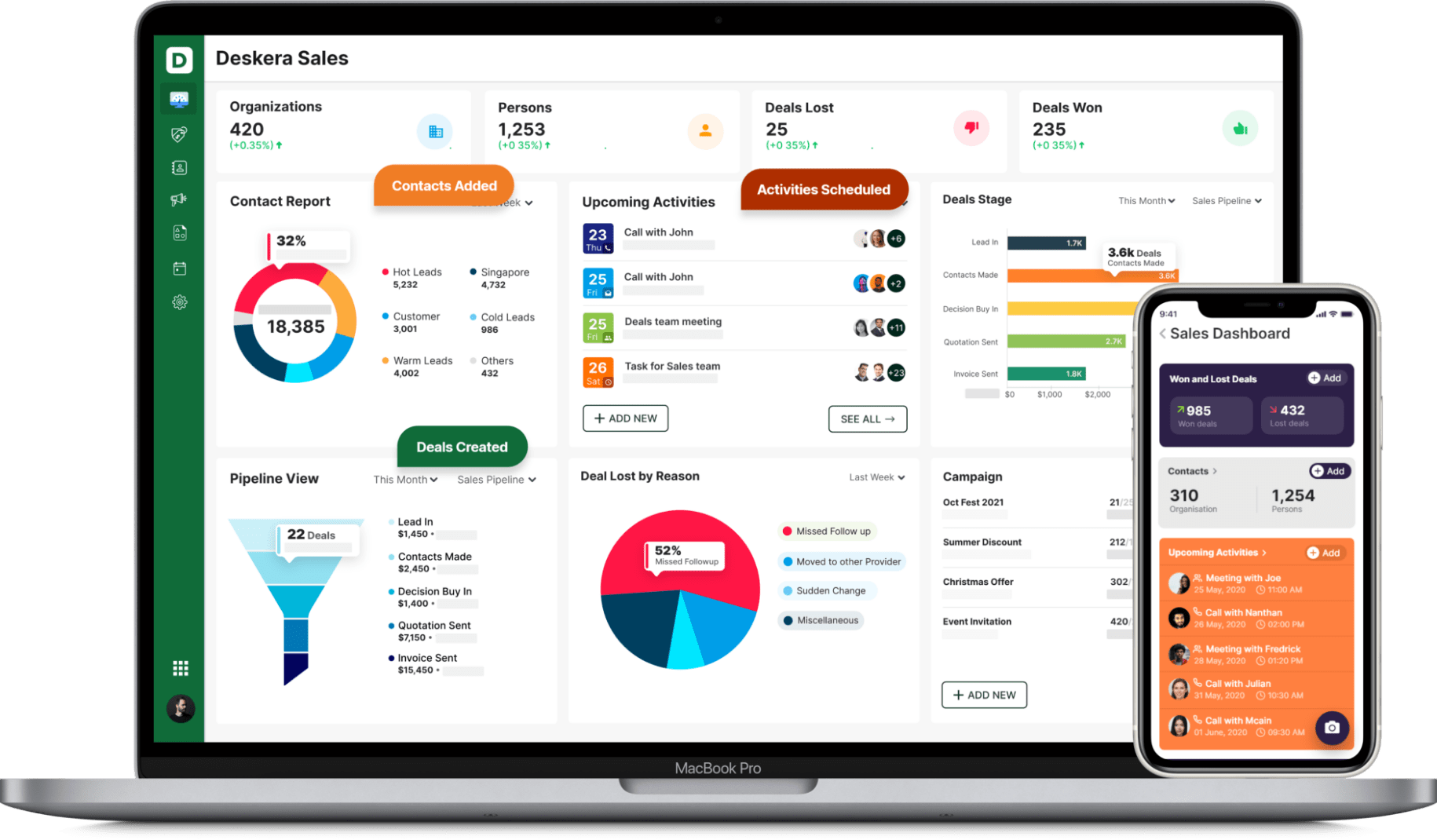
It is necessary to pick a good email marketing tool as per your company budget and your goals. A good ESP or CRM system like Deskera CRM will help you with email marketing automation and with marketing strategy.
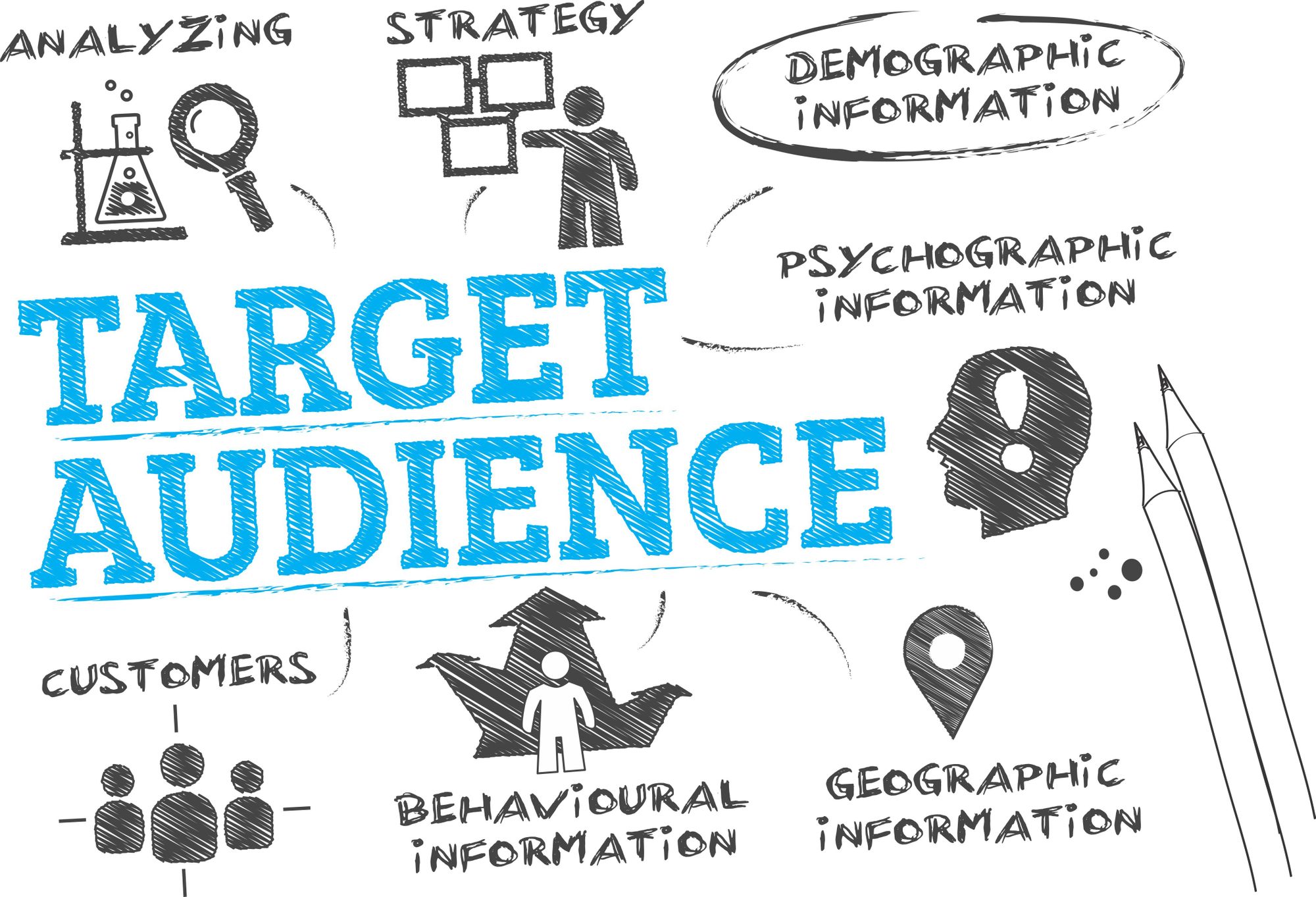
3. Find your target audience
To build an email subscriber list, you need to find the right audience. You need to target people who would use your products and services as per demography, behavior, and gender
4. Pick the right list building tactic
The best way of building a mailing list is through subscriptions. You can add a subscription form to your site or to the high traffic section of your website. Use multiple channels to have subscription sign-up forms.
5. Divide mailing list into segments
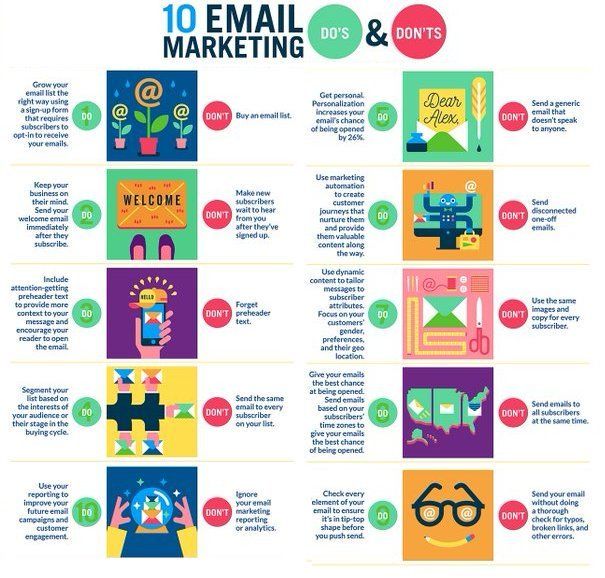
Segment the mailing list based on gender, occupation, age, location, behavior, etc. Segmentation is an effective tactic that allows you to send highly targeted email campaigns.
6. Identify the types of emails to send
There are many different kinds of campaigns based on the goal of the email. The email can be based on different parts of the customer sales cycle to push them along to make a purchase.
7. Create a schedule for sending emails
Sending scheduled emails at the right time as per different needs to the customers like welcome email or discount offers to ensure that the customer moves forward
8. Format the email content
You need to create beautiful email templates that are customized to match your brand and products. For your email marketing to be successful, your messages in the promotional emails need to be perfect.
9. Optimize your email
It is essential to always A/B test and optimizes your emails to get better ROI by testing different CTA’s, creating a short subject line, good images, fonts, etc.
10. Conduct split-testing
Split testing or even A/B testing determines what copy works for your emails—looking at different aspects such as subject lines, images, CTAs, headlines, etc.
11. Monitor email performance reports
Tracking email open rate, unsubscribe rate, click-through rates, email deliveries, email bounces, spam complaints are some of the metrics that need to be monitored for better performance. This will help you adjust your email strategy based on the reports and feedback you get.
Benefits Of Email Marketing for Small Businesses
As you can understand, this digital marketing practice comes with many assets. Let’s have a look at the most prominent:
Sales & ROI
Email campaigns have been linked with high email marketing ROI. By crafting newsletters with offers and product updates, you increase the likelihood of converting your subscribers. This practice is even more effective when you personalize these campaigns.
Brand Awareness
If you wish to elevate your branding efforts, apart from social media that can be game-changing by all means, you can resort to marketing campaigns, as well. Dare to share your mission and vision with customers and prospects and show them what you’re made of.
Customer Relationships
Through email newsletters, you can find ways to connect with consumers on a deeper level. To gain their trust and achieve customer retention, communicate with them regularly using relevant and meaningful content. Take into account that business values matter a lot in your brand positioning. As long as you treat consumers with empathy and respect, they’ll be more likely to stay with you for good. Build a brand voice your old and new customers can identify with and share your mindset via your email communications.
Authority & Credibility
If you want to position yourself in your market, you can also craft newsletters that check the boxes of the so-called “though-leadership. “How? By creating or assembling content that will show them you are up to date with the latest trends in your field.
FAQs:
What is small business marketing?
Small business marketing is the process of promoting a small business through online and offline channels, like print, search, and email, with the intent of growing the business’s brand awareness and sales.
Why is small business marketing important?
Small business marketing is important because marketing helps people:
- Discover your brand
- Learn how your product or service solves their problem
- Purchase your product or services
What are the types of small business marketing?
The types of small business marketing include offline and online channels:
- Paid
- Search
- Social
- Mobile
Marketing strategies using multiple channels (or building an omnichannel strategy) often see more success because they create a cohesive experience that reaches users across multiple channels and touchpoints.
What tools do small business marketing strategies use?
A small business’s marketing strategy will often use the following tools:
- Google Analytics 4
- Google Search Console
- Ad networks like Google Ads, Meta Advertising, and Microsoft Advertising
- Social networks like Facebook, Instagram, and LinkedIn
- Email software, like Mailchimp, Mailer Lite, or Constant Contact